Neanderthals May Have Eaten Maggots as Survival Strategy, New Research Suggests
New research suggests Neanderthals may have consumed maggots from rotting flesh as a survival strategy, indicating a more varied diet and explaining high nitrogen levels.




Overview
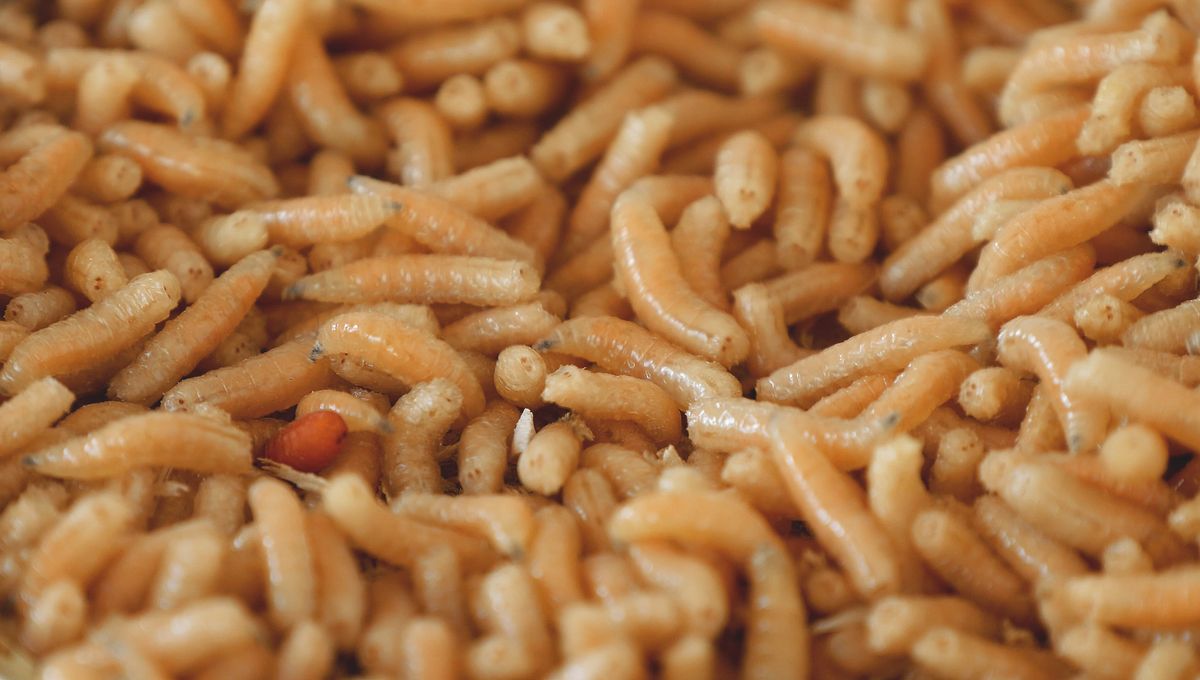
Scientists propose that Neanderthals potentially included maggots in their diet, revealing a more diverse range of food sources than previously understood for their survival.
High levels of nitrogen found in Neanderthal remains could be attributed to the consumption of maggots, providing a potential explanation for this physiological characteristic.
The theory suggests Neanderthals may have harvested maggots from decaying animal carcasses, specifically targeting fat-rich tissues for their nutritional value.
This dietary adaptation is seen as a clever survival strategy, allowing Neanderthals to utilize all available resources, including those from stored kills.
The findings challenge previous assumptions about Neanderthal diets, painting a picture of a more resourceful and adaptable hominin species.
Analysis
Center-leaning sources frame this story by presenting a new scientific hypothesis with an accessible, slightly informal tone. They use evocative language and include a personal, lighthearted commentary to make the potentially unappealing topic of Neanderthal diet engaging for a general audience, emphasizing the 'clever' nature of the discovery.