Kamchatka's Krasheninnikov Volcano Erupts After Centuries, Following Major Earthquake and Tsunami Warnings
Russia's Krasheninnikov volcano erupted for the first time in centuries, propelling ash skyward. This event followed an 8.8-magnitude earthquake that triggered tsunami warnings across the Pacific, though no immediate threats were reported.

 NPR
NPRRussian volcano erupts days after monster quake shakes region
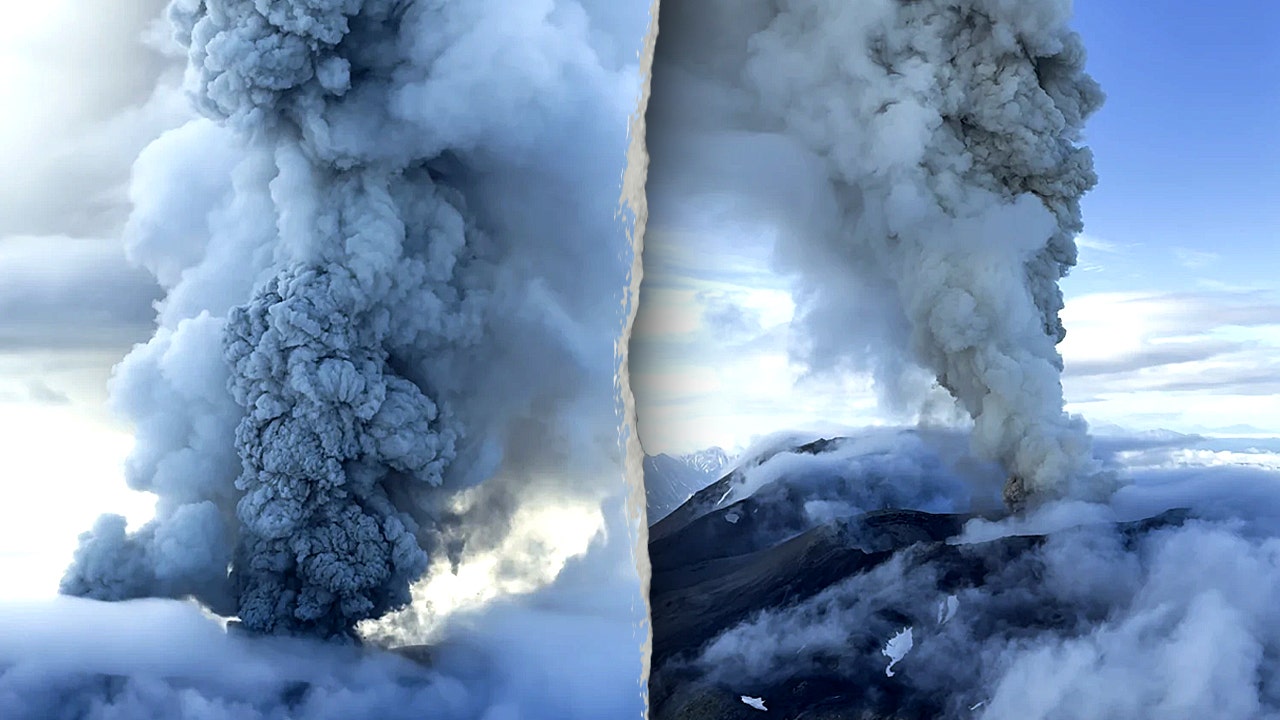
 FOX News
Russian volcano erupts for first time in centuries after massive earthquake strikes Kamchatka Peninsula
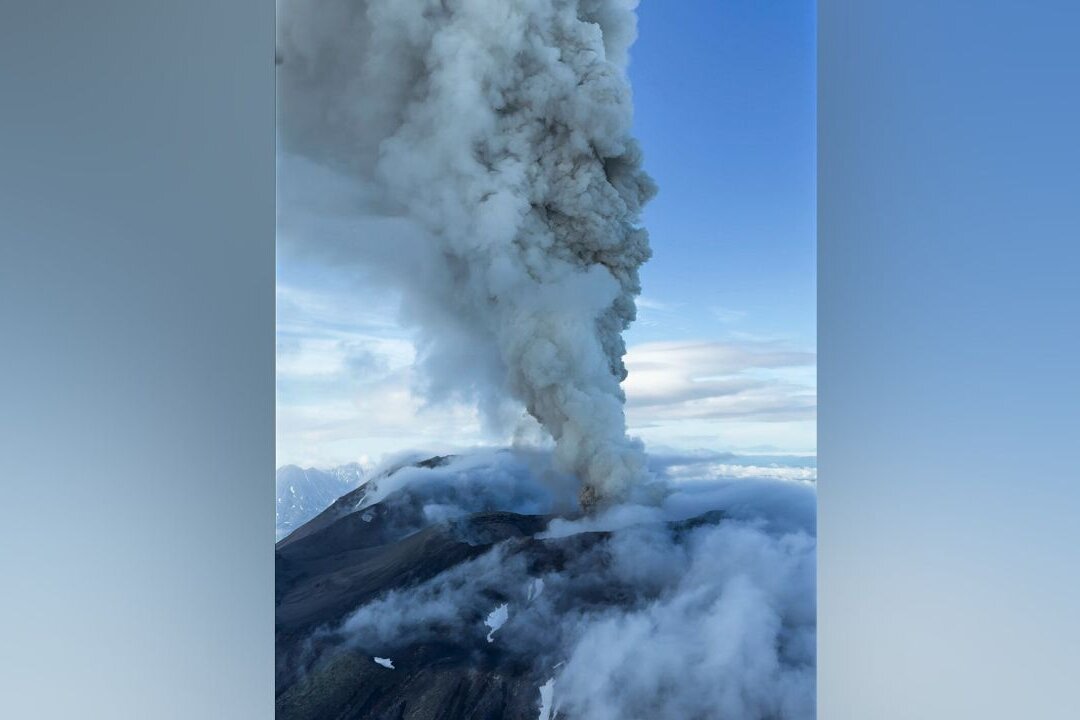
 Epoch Times
Volcano in Russia’s Far East Erupts for First Time in Centuries Following 8.8 Magnitude Earthqake
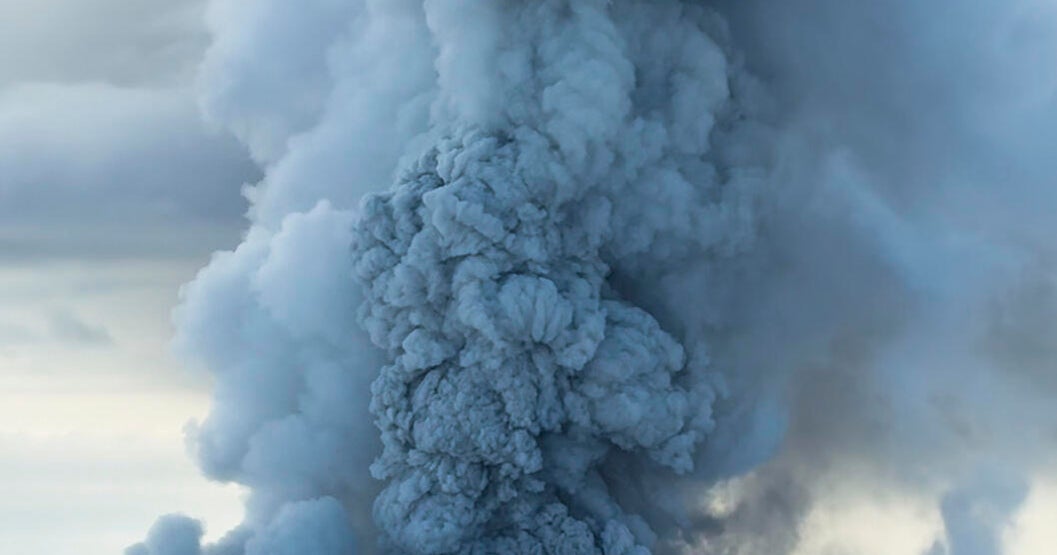
 CBS News
Volcano in Russia erupts for the first time in centuries
Overview
Russia's Krasheninnikov volcano on the Kamchatka Peninsula erupted for the first time in 400 to 600 years, marking a significant geological event in the region.
The eruption propelled an ash plume 6 kilometers into the sky, which spread eastward towards the Pacific Ocean, though no ashfall was recorded in nearby inhabited localities.
This volcanic activity occurred shortly after a massive 8.8-magnitude earthquake, which generated small tsunami waves affecting coastal areas of Japan and Alaska.
The earthquake prompted tsunami warnings for various other regions, although Russia's Ministry for Emergency Services later lifted its warning, confirming no immediate threat.
The Kamchatka Volcanic Eruption Response Team (KVERT) observed a decrease in the volcano's activity but cautioned about the potential for continued moderate explosive eruptions.
Analysis
Center-leaning sources cover this story neutrally by focusing on factual reporting of the natural events. They present information about the volcano eruption and the earthquake, including expert commentary, without employing loaded language or emphasizing a particular narrative. The coverage prioritizes objective details and scientific perspectives.