James Webb Space Telescope Hints at Record-Breaking Planet Near Alpha Centauri A
James Webb Space Telescope evidence suggests a potential gas giant planet orbiting Alpha Centauri A, possibly the closest directly imaged exoplanet, marking a significant discovery.




Overview
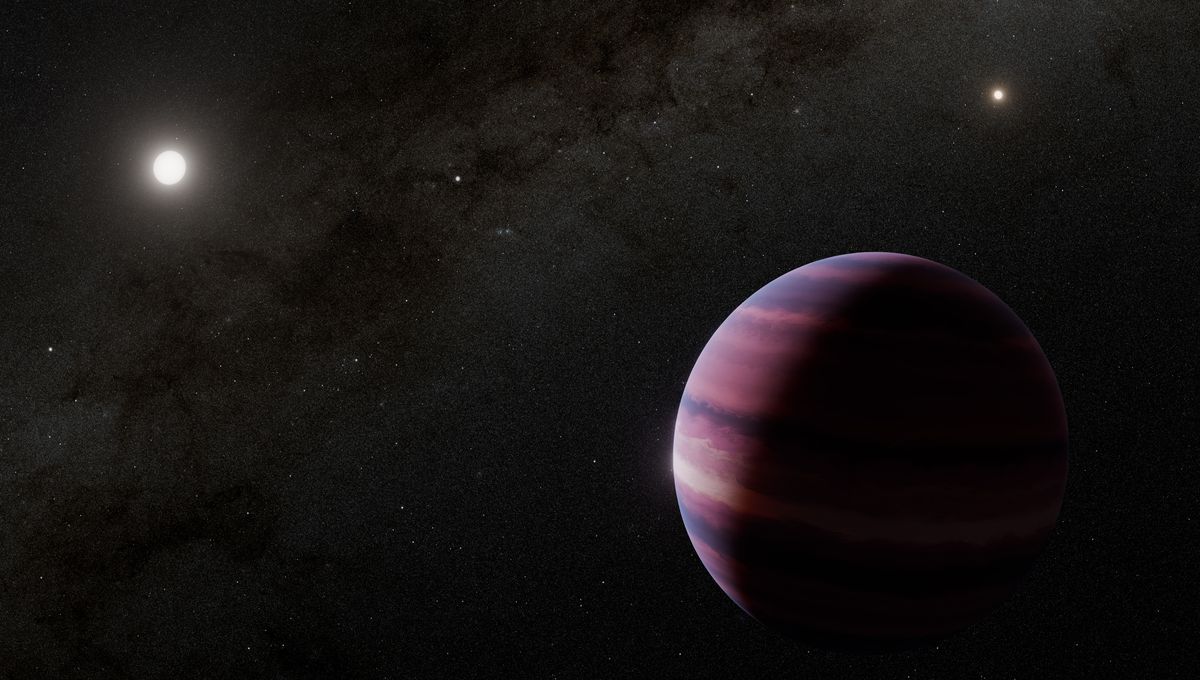
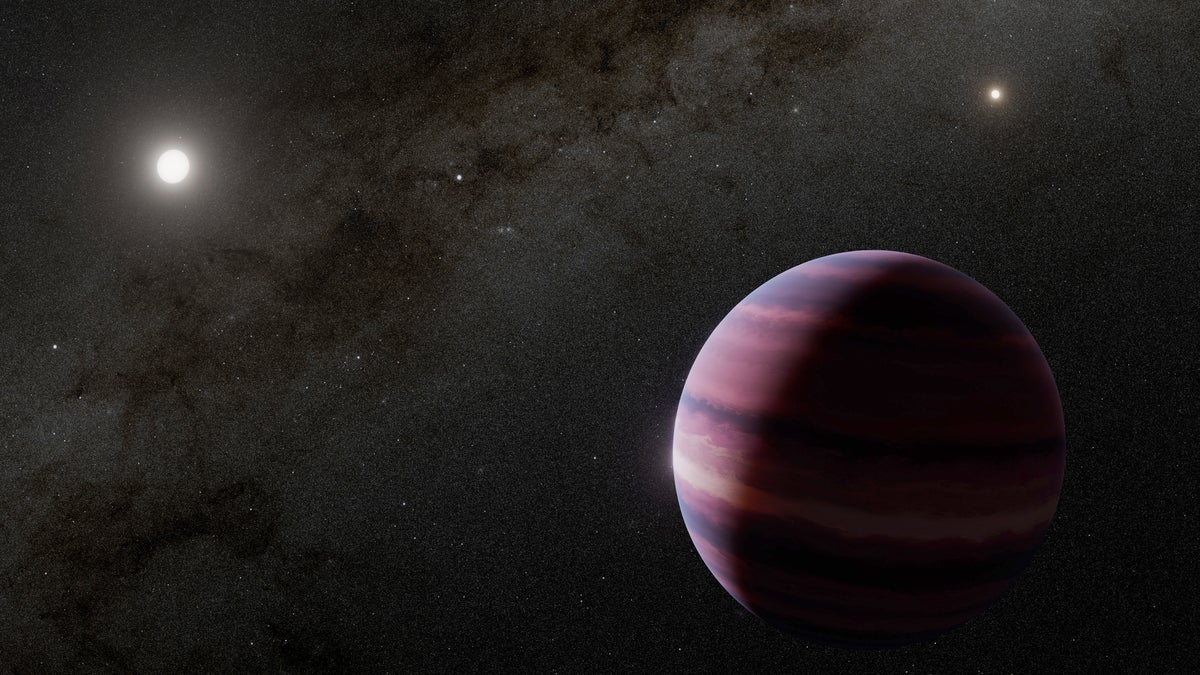
New evidence from the James Webb Space Telescope (JWST) suggests the potential discovery of a gas giant planet orbiting Alpha Centauri A, utilizing its Mid-Infrared Instrument.
If confirmed, this exoplanet could be the closest ever directly imaged to its host star, breaking records for observations around a Sun-like star.
The potential planet is described as a gas giant, possibly similar to a warmer Saturn, and is considered potentially habitable, adding to its scientific interest.
Researchers made crucial observations in August 2024 using the JWST's Mid-Infrared Instrument with a coronagraphic mask to identify this new planet candidate.
Experts view this potential discovery around Alpha Centauri as a significant milestone and an exciting observation, pushing the boundaries of exoplanet research.
Analysis
Center-leaning sources frame this story as an exciting scientific breakthrough, emphasizing its record-breaking potential and proximity to Earth. While acknowledging the disappointment that it's a gas giant unlikely to host life, they maintain focus on its unique scientific value for understanding planet formation, often using accessible language and relatable cultural references to engage a broad audience.