Light Pollution Extends Birds' Daily Activities by 50 Minutes, Disrupting Natural Rhythms
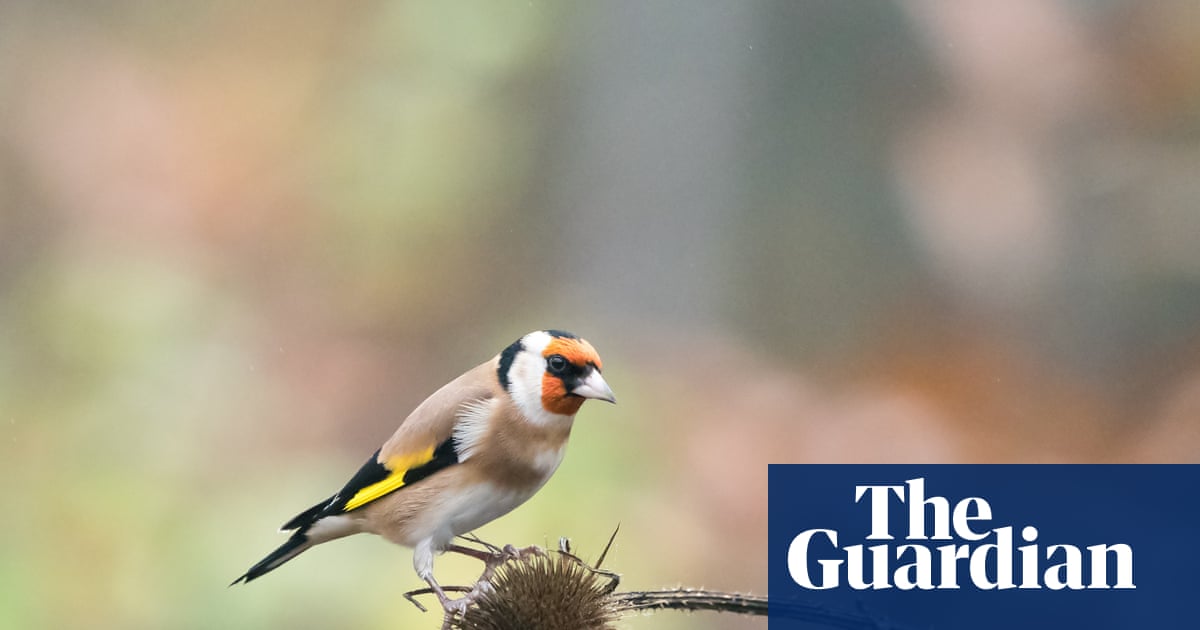
A study in Science reveals light pollution extends birds' daily activities by 50 minutes, disrupting natural routines. Birds with larger eyes are particularly sensitive to artificial light.




Overview
Light pollution significantly extends birds' daily activities by an average of 50 minutes, directly impacting their natural routines and potentially disrupting their biological clocks and behaviors.
This significant finding comes from a recent study published in the journal Science, which highlights the widespread and detrimental effects of artificial light on avian species.
Researchers Gilbert and Pease conducted the comprehensive analysis by integrating global satellite imagery of light pollution with precise data on sunrise and sunset times.
The study specifically identified that birds possessing larger eyes relative to their body size exhibit the highest sensitivity to artificial light pollution, making them more vulnerable.
The research underscores the pervasive influence of artificial light on wildlife, emphasizing the need for further investigation and mitigation strategies to protect avian populations.
Analysis
Center-leaning sources frame this story by highlighting light pollution as a significant and disturbing environmental threat to birds. They emphasize the negative impacts on bird behavior and health, using evaluative language to underscore the severity of the issue and its potential contribution to population decline, while downplaying any potential complexities or alternative interpretations.