NASA's Perseverance Rover Uncovers Potential Signs of Ancient Martian Life Amidst Sample Return Mission Delays
NASA's Perseverance rover found potential ancient microbial life signs in Martian riverbed rocks. Confirmation awaits sample return, now delayed to the 2040s due to escalating costs.

 CNET
CNETNASA Found Signs of Ancient Alien Life on Mars. Here's How Excited You Should Be
 New York Sun
Have We Found Life on Mars? NASA Says It's Closer Than Ever

 NPR
NPRLife on Mars? NASA says a rock sample shows potential signs of ancient life
 Epoch Times
NASA Says Discovery Could be Evidence of Ancient Life on Mars
Overview
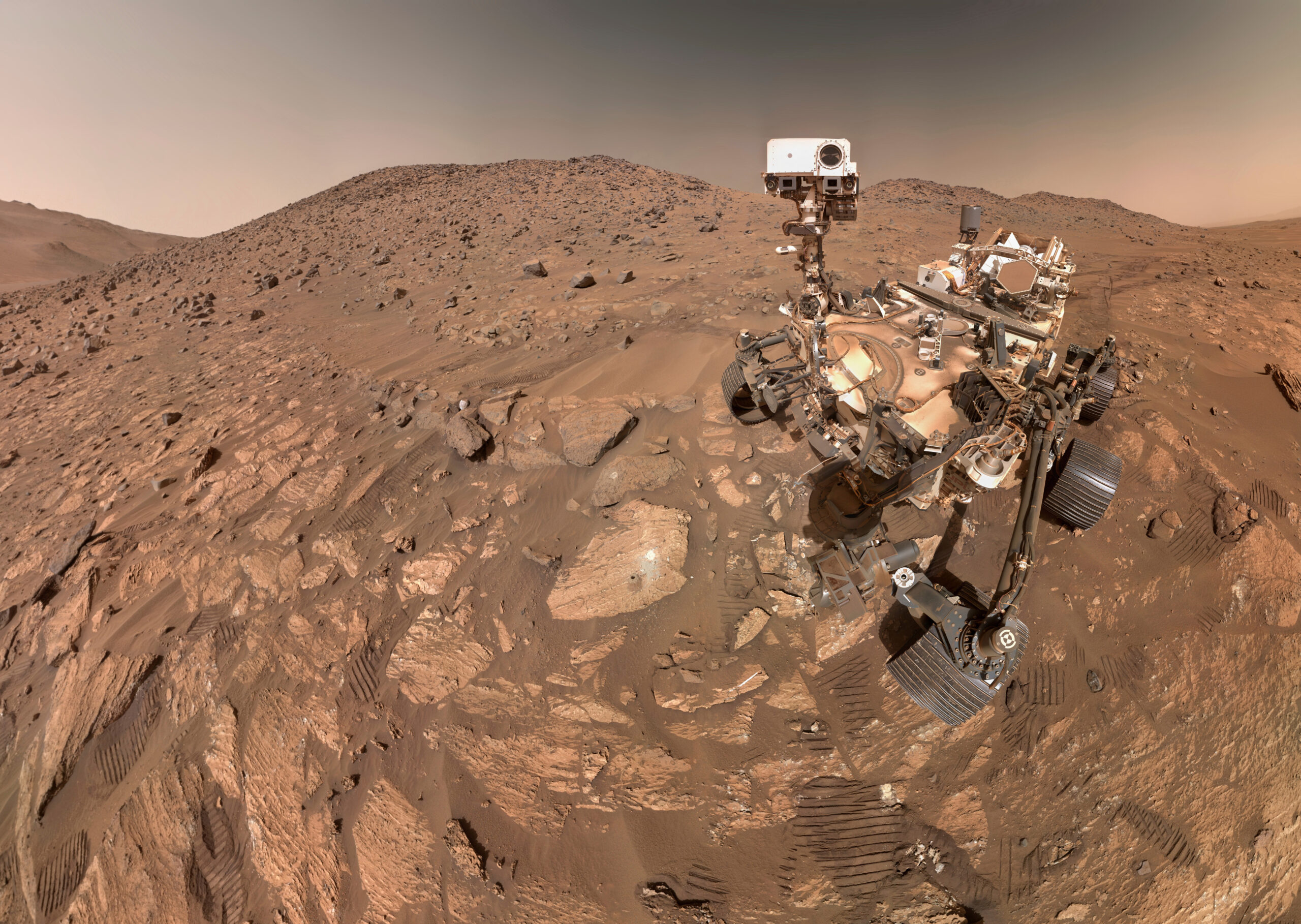
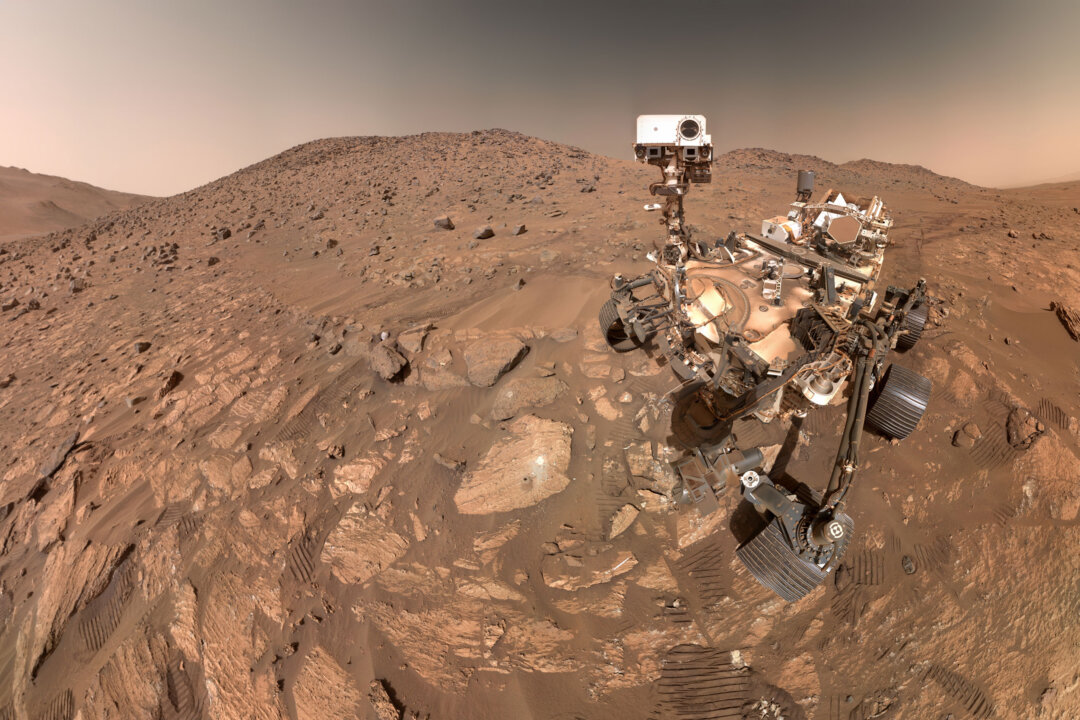
NASA's Perseverance rover discovered potential ancient microbial life signs in Martian riverbed rocks at Cheyava Falls, Neretva Vallis, in July 2024, within Jezero Crater.
Organic carbon, iron-rich specks, and minerals like vivianite and greigite were identified in clay-rich mudstones, suggesting chemical reactions that could have supported ancient microbial life on Mars.
These findings, published in Nature, indicate possible biosignatures and chemical structures similar to those produced by microorganisms on Earth, hinting at Mars's past habitability.
The rover cannot directly detect life, but 30 samples have been collected for Earth return. In-depth analysis on Earth is essential for confirming the presence of ancient Martian life.
The Mars Sample Return mission faces significant delays to the 2040s and escalating costs, reaching $11 billion. NASA is now exploring more cost-effective alternatives amidst budget uncertainties.
Analysis
Center-leaning sources frame this story by emphasizing the "exciting" potential for ancient life on Mars. They use evocative language and structure the narrative to highlight the significance of the discovery, positioning it as a major step towards answering "profound questions." While including scientific caveats, the collective editorial choices prioritize the promise of biosignatures, subtly framing funding challenges as impediments to this significant quest.