New 23-Foot Megaraptoran Dinosaur Discovered in Patagonia, Found Feasting on Ancient Crocodile
Scientists in Patagonia, Argentina, unearthed a new 23-foot megaraptoran dinosaur, a powerful clawed predator from 66-70 million years ago, found with crocodile remains.
:max_bytes(150000):strip_icc():focal(999x0:1001x2)/dinosaur-dig-site-092325-8e9f9d48d4e24b29b74f6b09594ad3cd.jpg)
 People
Scientists Uncover New Dinosaur with Crocodile Remains in Its Jaws

 PBS NewsHour
Scientists uncover fossil of dinosaur feasting on ancient crocodile

 CBS News
New dinosaur discovered in Argentina with a crocodile leg in its jaws: "More than one way to be a top predator"
 Associated Press
Scientists discover a new dinosaur from Argentina with a crocodile bone in its mouth
 IFL Science
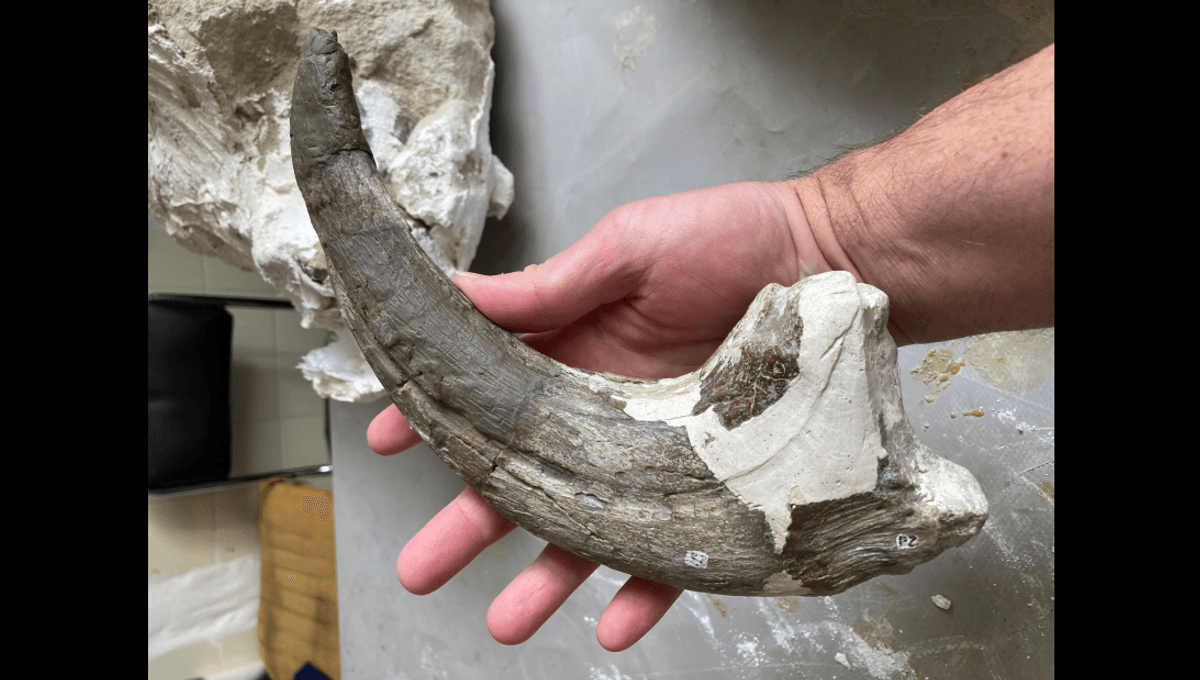
This Croc-Eating Dinosaur Ruled South America 70 Million Years Ago, And The Claw On It? Outrageous
Overview
Researchers discovered the fossilized remains of a new 23-foot-long dinosaur, identified as a megaraptoran, in Patagonia's Lago Colhué Huapi rock formation in Argentina.
This newly identified species, a powerful clawed predator, lived approximately 66-70 million years ago, near the period of the great dinosaur extinction event.
The discovery included skull, arm, leg, and tail bones, with unique features confirming it as a distinct new species within the enigmatic megaraptorans group.
Evidence suggests this dinosaur was a top predator, found feasting on the jawbone and limb bone of an ancient crocodile relative, indicating its diet and role.
Megaraptorans evolved over millions of years across South America, Australia, and Asia, with this discovery highlighting their mysterious origins and diversification.
Analysis
Center-leaning sources cover this scientific discovery neutrally, focusing on factual reporting without editorial bias. They present the details of the Joaquinraptor casali's discovery, its characteristics, and its significance to paleontology, using objective language and prioritizing scientific information. The coverage avoids loaded terms or selective emphasis, ensuring a balanced presentation of the findings.