Scientists Create Fertilizable Human Eggs from Skin Cells, Offering Hope for Infertility but Facing Chromosomal Challenges
Scientists created fertilizable human eggs from skin cells, a potential infertility breakthrough. The technique, using somatic cell nuclear transfer, faces significant chromosomal abnormalities, requiring extensive research.
 El Pais
Fertilizable human eggs created from skin cells using the technique that cloned Dolly the sheep

 CNN
CNNScientists use human skin cells to create functional eggs

 ABC News
Researchers turn human skin cells into eggs -- but not yet usable ones
 Associated Press
Researchers turn human skin cells into eggs — but not yet usable ones
Overview
Scientists successfully created fertilizable human eggs from skin cells using somatic cell nuclear transfer, a technique similar to cloning, offering new possibilities for infertility treatments and same-sex couples.
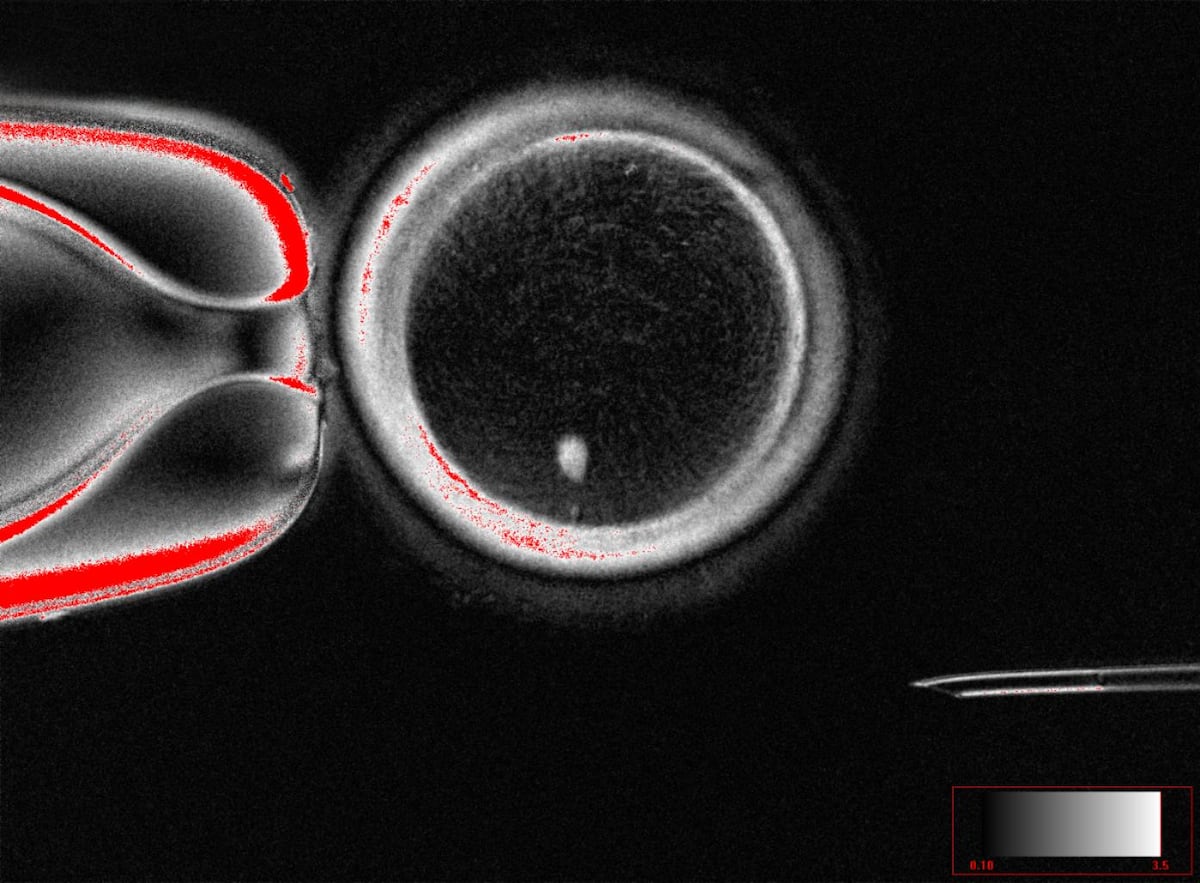
The OHSU team reprogrammed human skin cells by replacing egg cell nuclei, producing 82 functional oocytes that were fertilized and initiated post-fertilization development in the lab.
This breakthrough aims to revolutionize infertility treatments, particularly for women with poor egg quality, by enabling the creation of lab-grown eggs or sperm for conception.
A major challenge involves ensuring the lab-grown gametes possess the correct 23 chromosomes, as current experiments show significant abnormalities, including missing or extra chromosomes.
Despite successful fertilization, chromosomal abnormalities in the resulting embryos indicate that a decade of further research is necessary before human trials can be considered, according to OHSU.
Analysis
Center-leaning sources cover this story neutrally, presenting the scientific breakthrough of creating human eggs from skin cells alongside the significant challenges. They emphasize the experimental nature and current limitations, such as chromosomal abnormalities, while also highlighting the potential future applications for infertility and same-sex couples. The reporting avoids loaded language and includes balanced expert perspectives.