Brunkow, Ramsdell, and Sakaguchi Awarded Nobel Medicine Prize for Immune Tolerance Discoveries
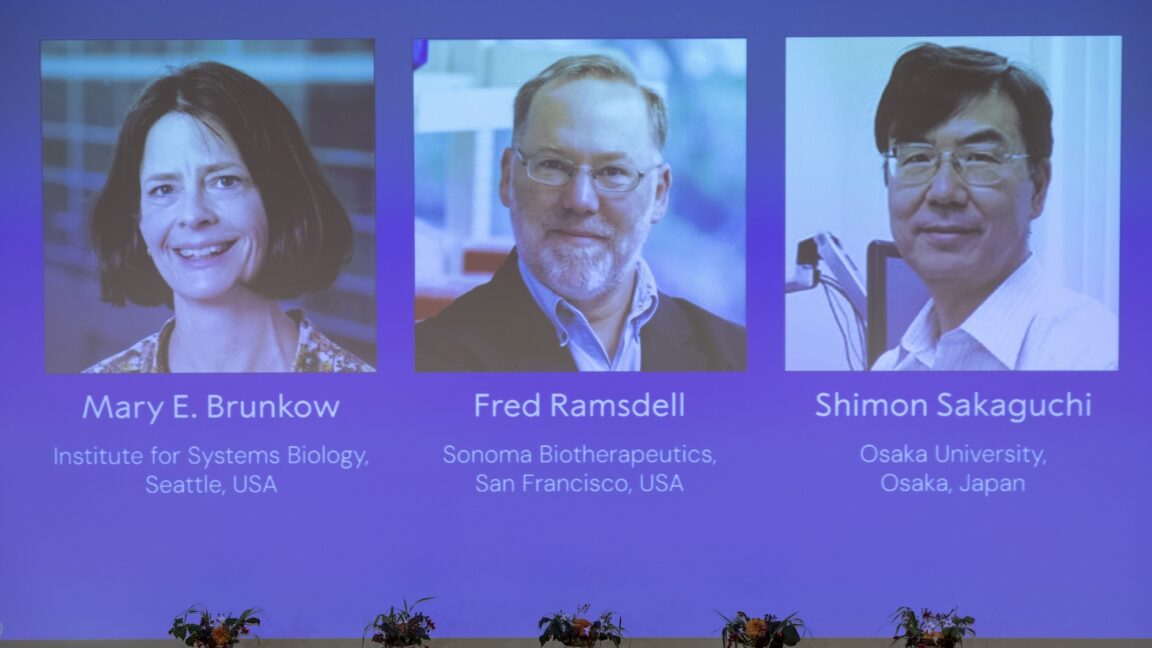
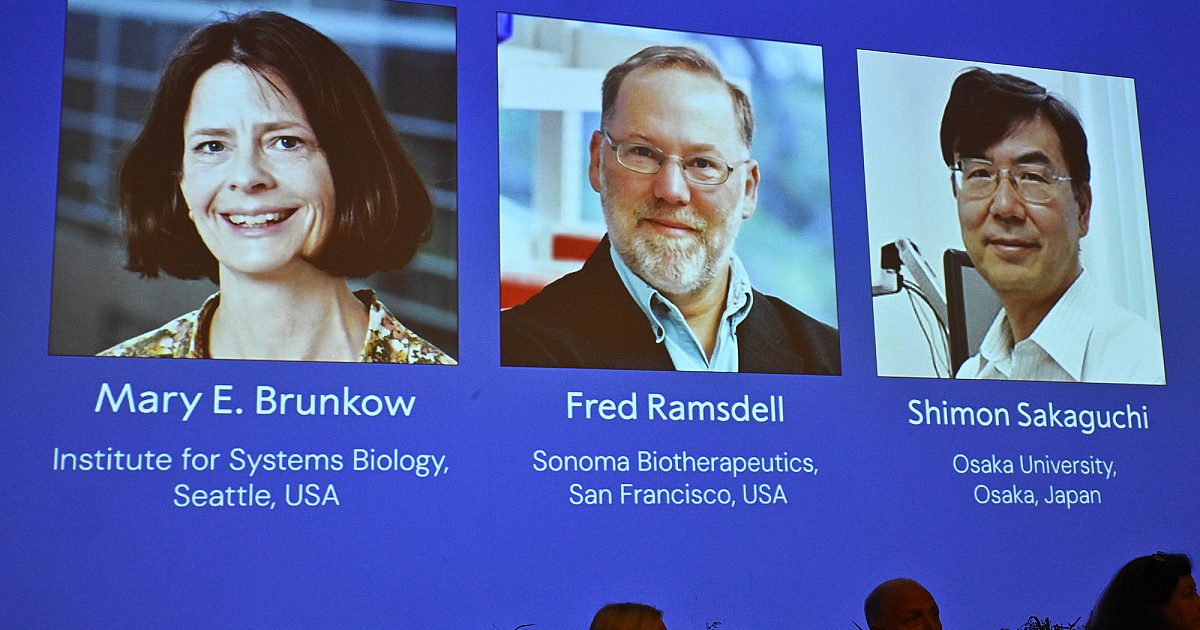
Mary E. Brunkow, Fred Ramsdell, and Shimon Sakaguchi won the 2025 Nobel Medicine Prize for discoveries on peripheral immune tolerance, specifically regulatory T cells and the Foxp3 gene, advancing autoimmune disease and cancer treatments.
 ARS Technica
Discovery of cells that keep immune responses in check wins medicine Nobel Prize
 World News Group
American scientists win Nobel Prize for immune system discovery
 CBS News
3 scientists win Nobel Prize in medicine for discoveries in immunology
 Semafor
Immune system research wins Nobel Prize in medicine
Overview
Mary E. Brunkow, Fred Ramsdell, and Shimon Sakaguchi received the 2025 Nobel Prize in Physiology or Medicine for their pivotal discoveries concerning the immune system's ability to prevent self-attack.
Their research elucidated how the body maintains peripheral immune tolerance, a critical mechanism that stops the immune system from mistakenly targeting and damaging its own healthy tissues.
Brunkow and Ramsdell identified a Foxp3 gene mutation linked to autoimmune diseases. Sakaguchi discovered regulatory T cells and their control by the Foxp3 gene, crucial for immune regulation.
These groundbreaking findings, primarily from the 1990s and early 2000s, revealed a new mechanism for controlling overreactive T cells, which are key components of the body's immune response.
The laureates' work has paved the way for developing innovative therapies for autoimmune diseases, improving organ transplant outcomes, and enhancing cancer treatments, significantly advancing immunology.
Analysis
Center-leaning sources cover this story neutrally, focusing on factual reporting of the Nobel Prize in Medicine. They objectively detail the recipients, their scientific discoveries concerning the immune system, and the significance of their work. The coverage avoids loaded language or presenting a biased narrative, adhering to a straightforward informational approach.