October's Supermoon Shines Bright: First of Three Consecutive Celestial Events
October's supermoon, the Harvest Moon, will appear larger and brighter, reaching its closest point to Earth. It's the first of three consecutive supermoons this year.



Overview
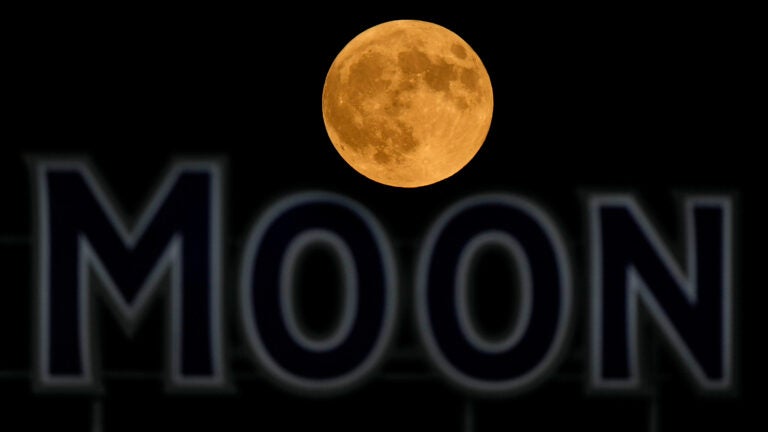
October's supermoon, the Harvest Moon, will be visible from October 4 to October 9, with its peak brightness and size occurring on the night of October 6.
A supermoon happens when the full moon is at its closest orbital point to Earth, making it appear up to 14% larger and 30% brighter than usual.
This celestial phenomenon is the first of three consecutive supermoons expected this year, with the next closest approach scheduled for November.
The supermoon is visible globally without the need for special equipment, provided that local sky conditions are clear for optimal observation.
NASA states the moon recently passed within approximately 224,600 miles of Earth, contributing to its enhanced appearance during this close approach.
Analysis
Center-leaning sources frame this story by emphasizing the supermoon's visual grandeur and accessibility, using enthusiastic language to encourage public engagement. They highlight the event as a "spectacular" and "brightest" celestial display, making it seem like a must-see opportunity. The narrative focuses on the "benefit for us" and the ease of viewing, collectively shaping a sense of wonder and excitement around the natural phenomenon.