Decades-Long Debate Resolved: Nanotyrannus Confirmed as Distinct Species, Not Juvenile T. Rex
New research confirms Nanotyrannus lancensis as a distinct adult dinosaur species, not a juvenile T. rex. This resolves a decades-long paleontological debate through comprehensive fossil analysis.

 CNN
CNN‘Dueling dinosaurs’ fossil forces a radical rethink of T. rex remains
 CBS News
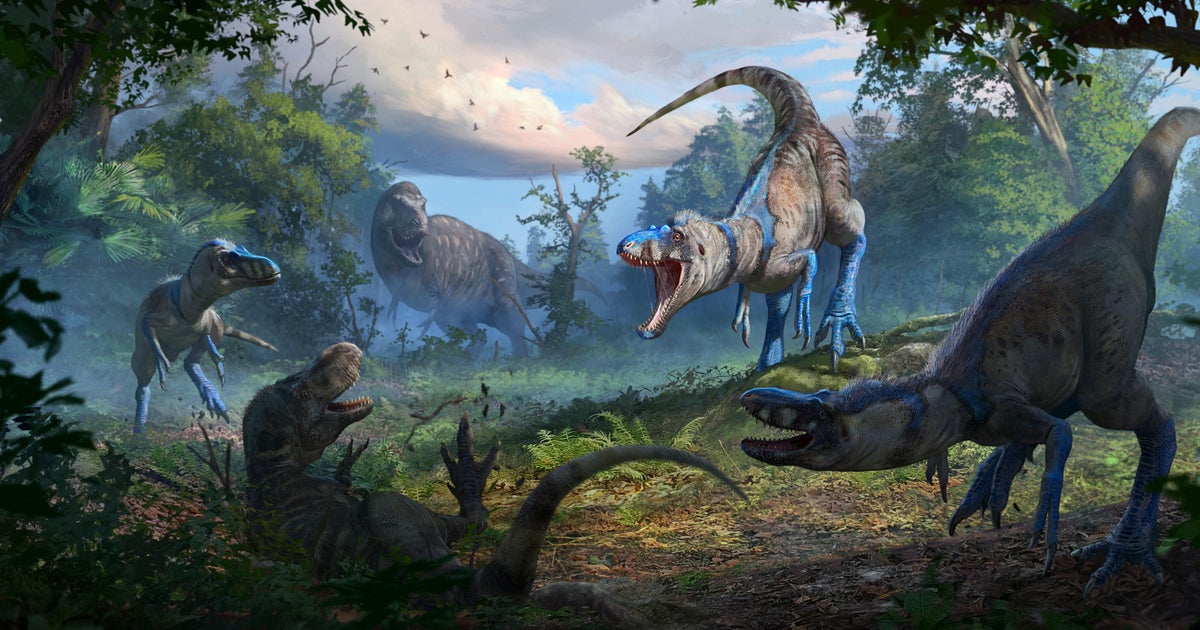
Mysterious dinosaur skeleton thought to be a teenage T. rex is actually a rival species, researchers say

 NPR
NPRScientists thought this fossil was a teen T. rex. Turns out it's a new tyrannosaur
 ARS Technica
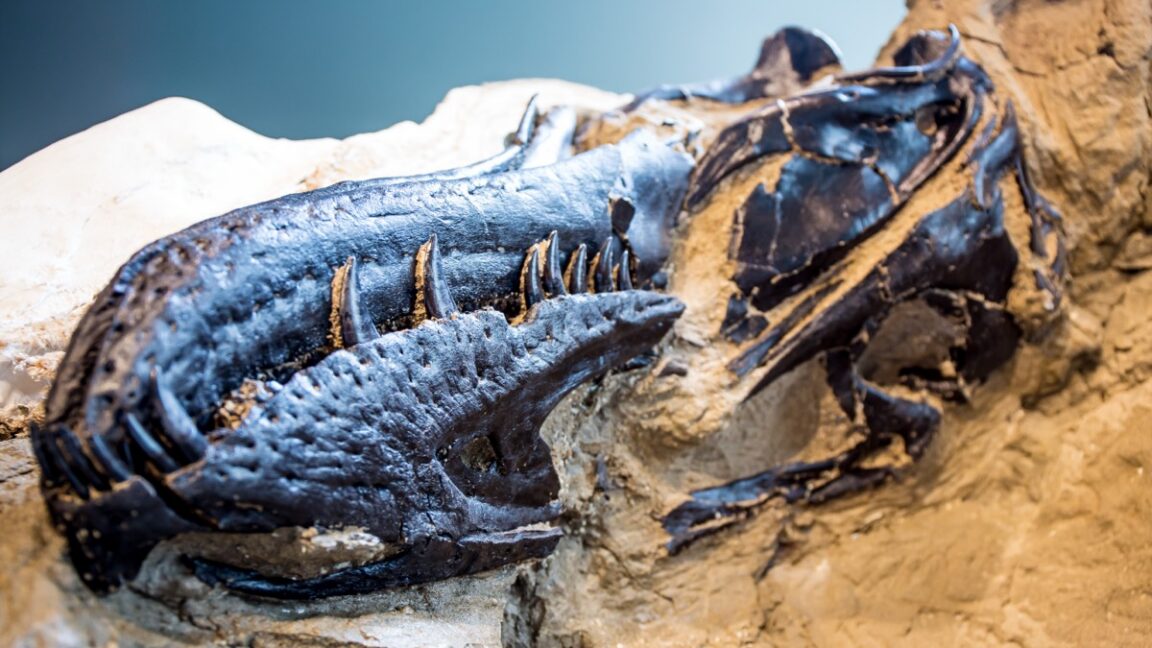
New study settles 40-year debate: Nanotyrannus is a new species
Overview
Scientists have resolved a decades-long paleontological debate, confirming that certain small tyrannosaur fossils, including one found in 1946, represent a distinct species, Nanotyrannus lancensis.
Key evidence came from a complete skeleton, dubbed the "dueling dinosaurs," discovered in Montana's Hell Creek Formation in 2006, which revealed an adult specimen.
Researchers confirmed Nanotyrannus as a distinct adult species, not a juvenile T. rex, through bone growth rings, unique skull structures, and comparative analysis of over 200 tyrannosaur fossils.
Nanotyrannus was approximately half the size of a T. rex, faster, and possessed more teeth, fewer tail vertebrae, and longer forearms relative to its body size.
This reclassification indicates juvenile T. rex fossils are rarer than previously believed. The "Dueling Dinosaurs" exhibit now features a battle between a Triceratops and an adult Nanotyrannus.
Analysis
Center-leaning sources cover this scientific debate neutrally, presenting new research findings alongside dissenting expert opinions. They avoid taking a definitive stance, instead focusing on the ongoing scientific process and the differing interpretations of evidence. This balanced approach allows readers to understand the complexity of the paleontological discussion without editorial bias.