Blue Origin's New Glenn Rocket Launches NASA Mars Mission, Advances Reusability, and Eyes Lunar Future
Blue Origin's New Glenn rocket successfully launched NASA's twin Mars orbiters from Cape Canaveral, marking a significant step in reusable rocket technology and the company's role in future lunar missions.
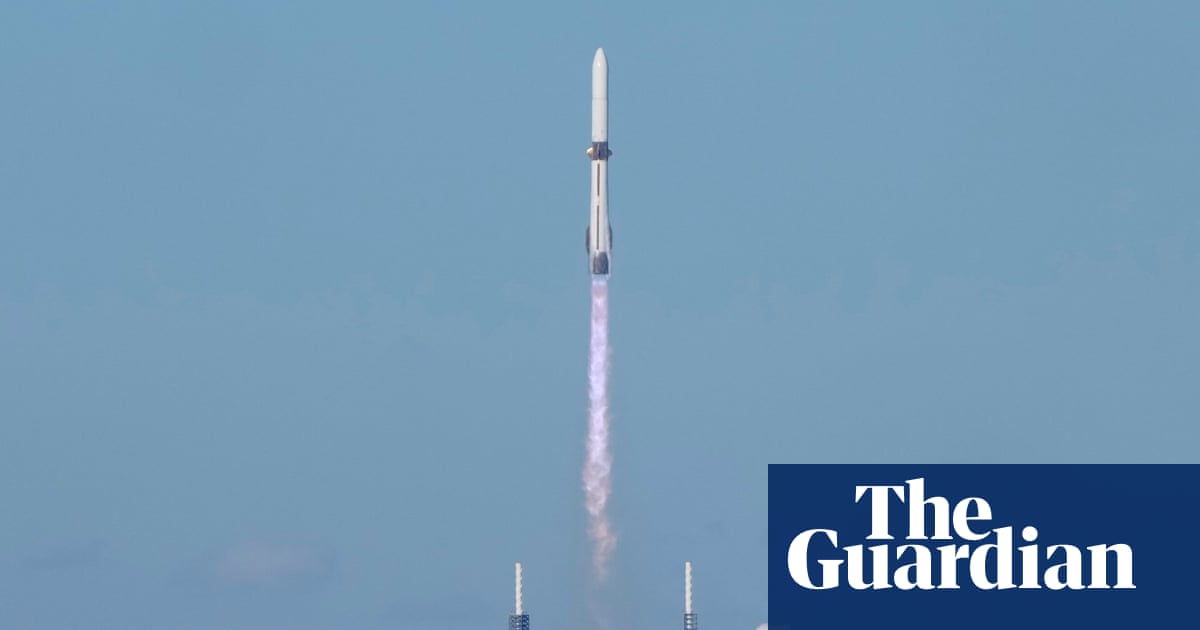
 The Guardian
Jeff Bezos’s Blue Origin launches rocket carrying twin Nasa spacecraft to Mars
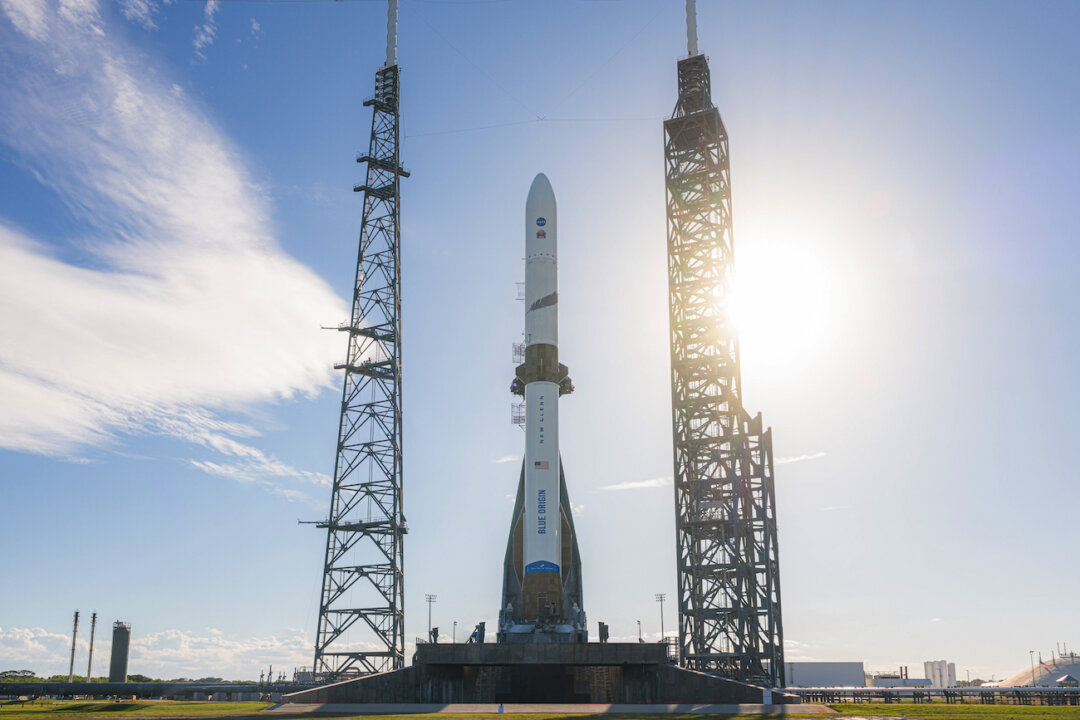
 Epoch Times
Blue Origin Sends Satellites to Mars, Lands Reusable Booster in 2nd Mission
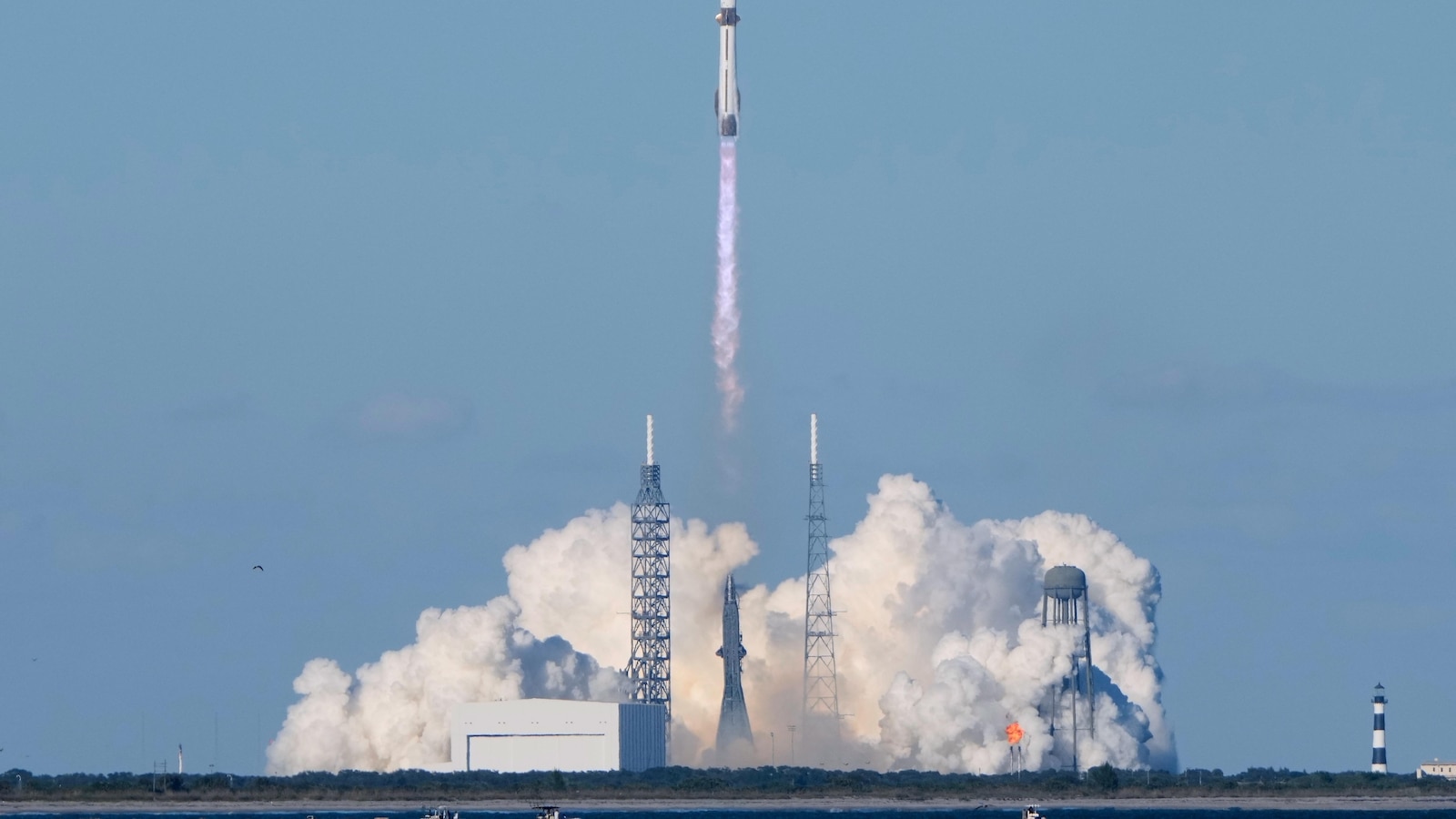
 ABC News
Blue Origin launches huge rocket carrying twin NASA spacecraft to Mars

 CBS News
Blue Origin launches twin NASA Mars probes in second flight of New Glenn rocket
Overview
Blue Origin's New Glenn rocket successfully launched from Cape Canaveral, carrying NASA's twin Mars orbiters on a mission to study the red planet's atmosphere and magnetic fields.
The Escapade Mars orbiters will journey to Mars via a gravity-assisted path, arriving in 2027, to investigate how the planet lost its water and became dry.
New Glenn's inaugural flight successfully deployed its payload and recovered its booster on an offshore barge, marking significant progress in reusable rocket technology.
This launch positions Blue Origin, founded by Jeff Bezos, as a key competitor to SpaceX for NASA contracts, including the third Artemis program moon landing.
Launch was delayed four days by weather and solar storms, but NASA secured cost savings by booking an early flight with Blue Origin's new, larger New Glenn rocket.
Analysis
Center-leaning sources cover this story neutrally, focusing on factual reporting of the Blue Origin launch and its significance. They avoid loaded language or selective emphasis, instead providing a balanced overview of the mission's success, its scientific objectives, and the broader context of space exploration and competition, including details on NASA's contracts and industry rivalry.