Volcanic Eruption May Have Triggered Black Death Pandemic, New Study Suggests
A new study suggests a 1345 volcanic eruption may have triggered the Black Death, which devastated Europe between 1347 and 1353, killing up to half its population.

 CNN
CNNVolcanic eruption led to the Black Death, new research suggests
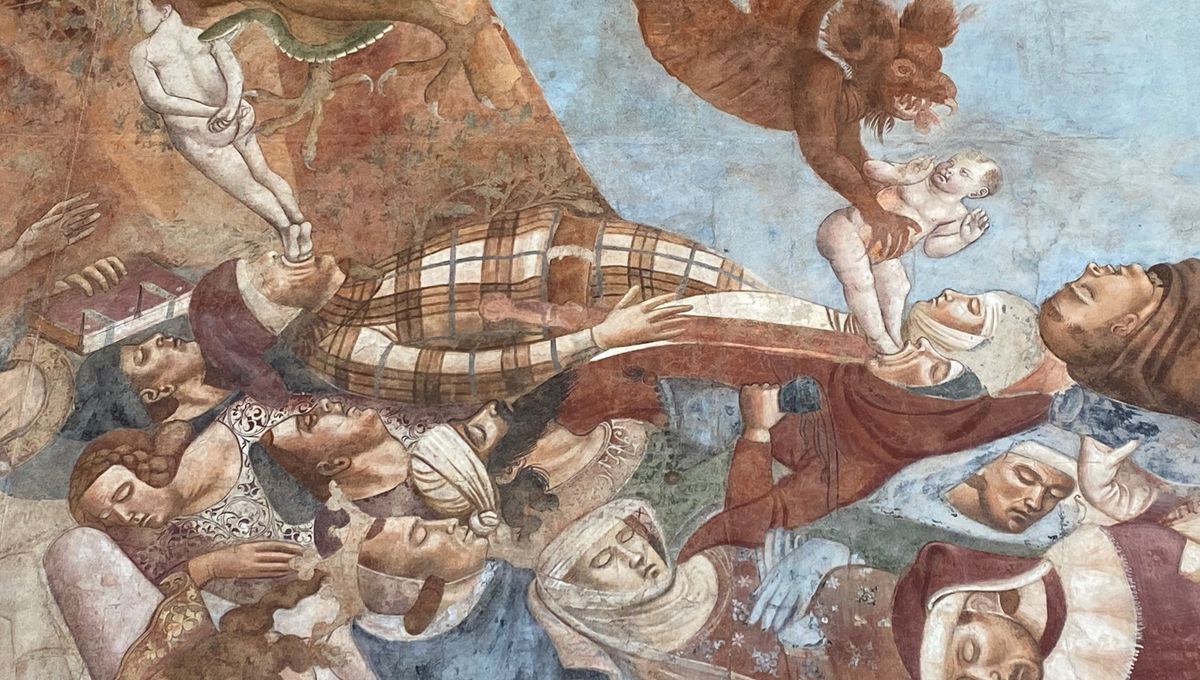
 IFL Science
How A Mystery Volcano Sparked The Black Death In The 14th Century
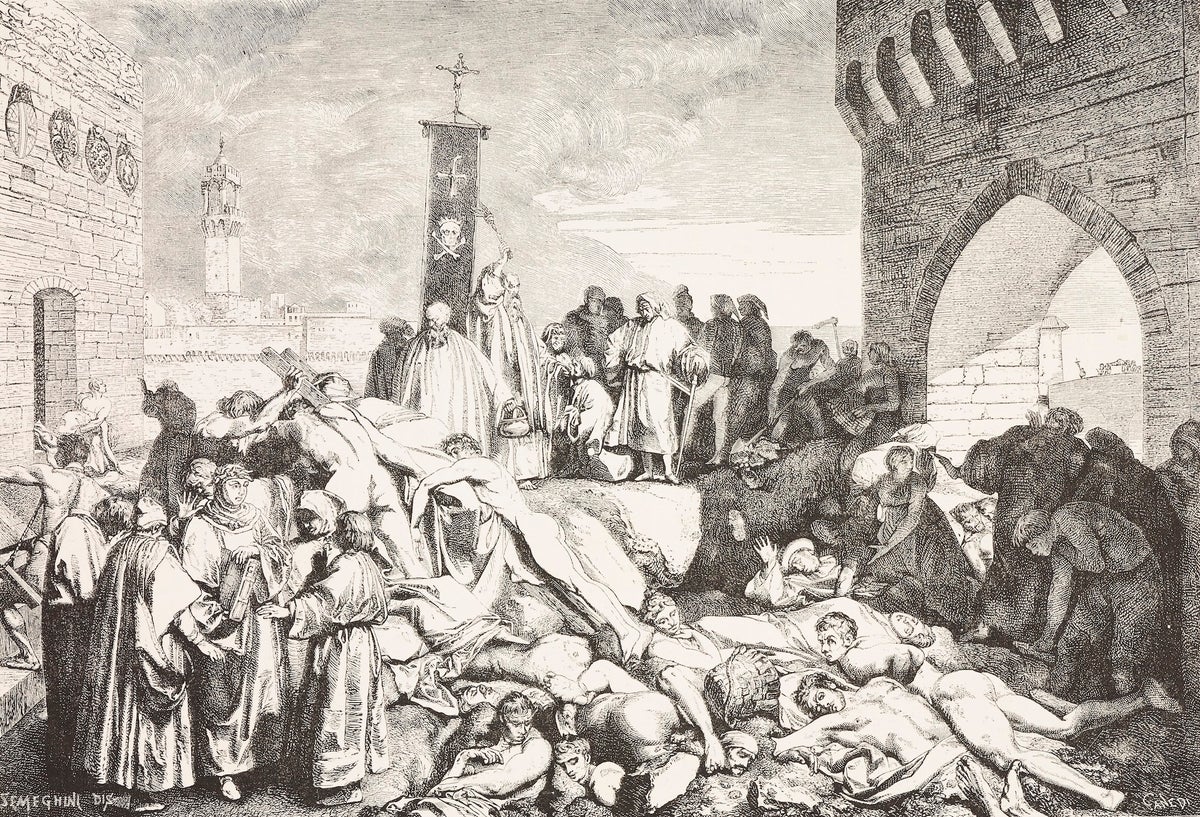
 Scientific American
Did a Volcano Set the Stage for the Black Death?
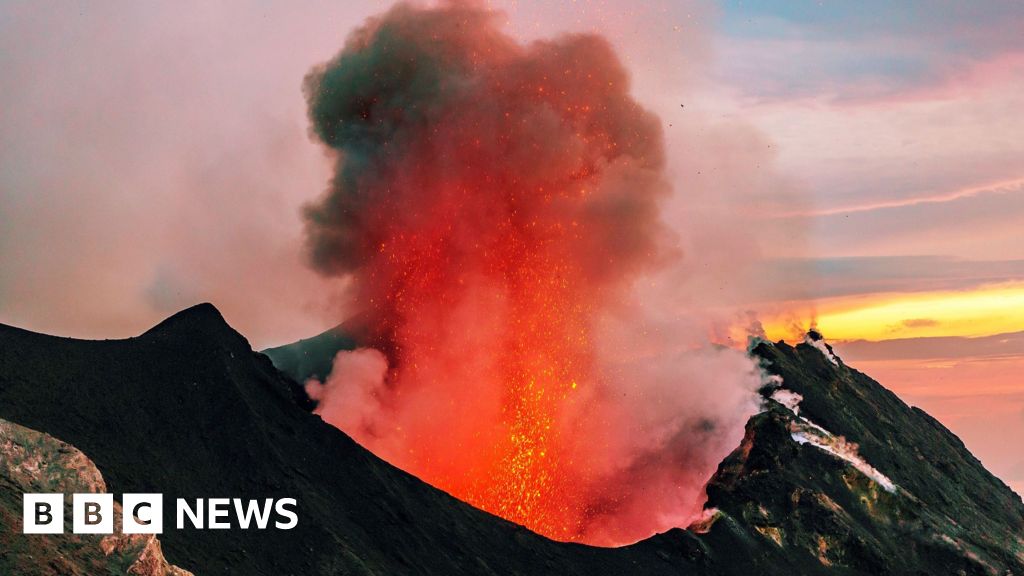
 BBC News
Volcanic eruption may have triggered Europe's Black Death plague
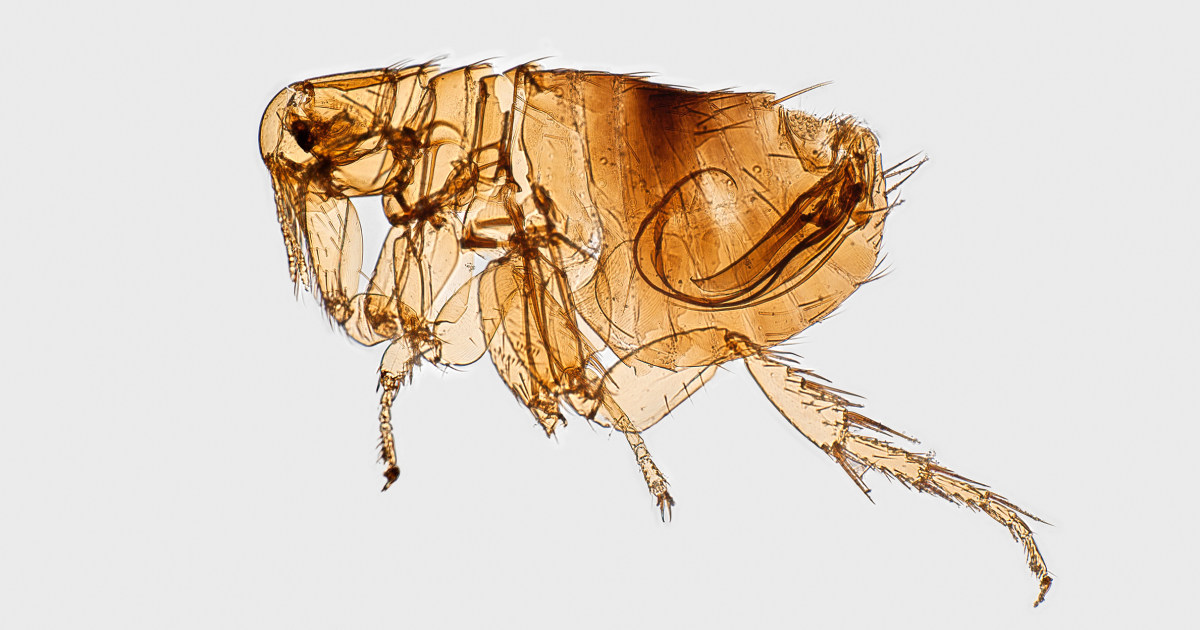
 NBC News
A volcanic eruption may have catalyzed the plague's arrival in Europe, study suggests
Overview
A new study proposes a volcanic eruption around 1345, likely in the tropics, may have initiated the Black Death pandemic that ravaged Europe, Asia, and North Africa.
The Black Death, caused by Yersinia pestis spread by fleas and rats, devastated Europe between 1347 and 1353, claiming the lives of up to half its population.
Researchers suggest the eruption caused climate changes, leading to famine and increased grain imports by Italian city-states from the Black Sea region.
These grain-loaded ships inadvertently introduced plague-carrying fleas and rats to Europe, facilitating the widespread transmission of the deadly disease.
The findings, published in Communications Earth & Environment, are based on analysis of tree-ring and ice core data to understand pre-plague climatic conditions.
Analysis
Center-leaning sources cover this story neutrally, focusing on presenting a new scientific theory linking a volcanic eruption to the Black Death. They explain the research findings, the proposed chain of events, and expert commentary on potential modern-day relevance without injecting editorial bias or loaded language. The reporting prioritizes factual dissemination of scientific information.