Interstellar Comet 3I/Atlas Makes Final Pass by Earth Before Exiting Solar System
NASA observes Comet 3I/Atlas, the third known interstellar object, making its closest Earth approach at 167 million miles before exiting our solar system, discovered in July.




Overview
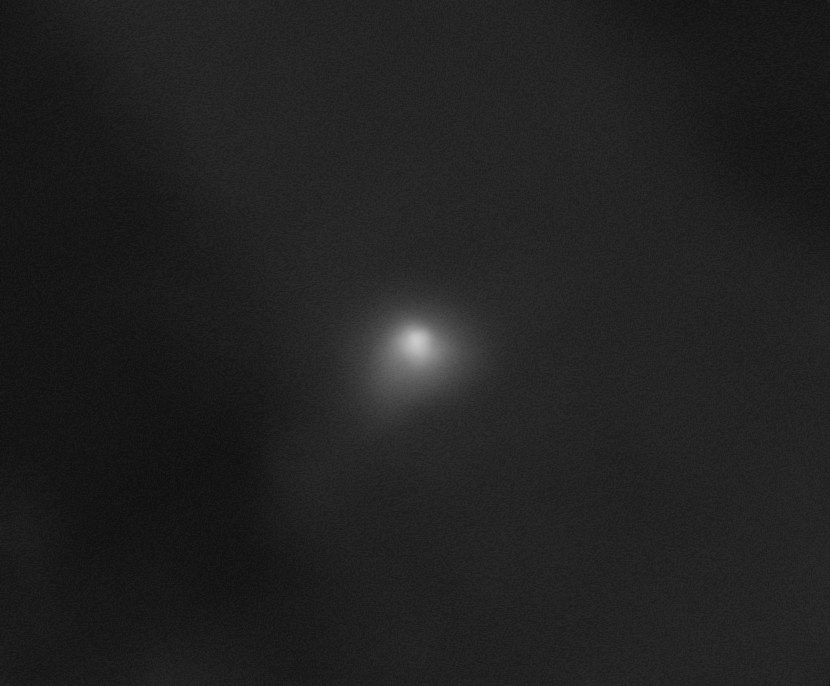
NASA is currently observing Comet 3I/Atlas, identified as the third known interstellar object to enter our solar system, using its advanced space telescopes.
This large ice ball, estimated between 1,444 feet and 3.5 miles, will make its closest approach to Earth on Friday at a distance of 167 million miles.
Following its Earth flyby, Comet 3I/Atlas is set to pass within 33 million miles of Jupiter in March before ultimately heading back into deep space.
Discovered in July by NASA's Atlas telescope in Chile, this comet originates from another star system, distinguishing it from local comets like Halley's.
This event follows the 2017 discovery of the first interstellar visitor by a Hawaiian telescope and a second by a Crimean amateur astronomer two years later.
Analysis
Center-leaning sources cover this story neutrally, focusing on factual scientific reporting about the interstellar comet 3I/Atlas. They present objective details regarding its trajectory, size, and observation by NASA, while also including a scientist's speculative viewpoint without endorsing it, maintaining a balanced and informative approach.