NOAA Report Reveals Record Arctic Warming and Rapid Environmental Shifts
NOAA's Arctic Report Card reveals record temperatures and lowest sea-ice extent in 47 years, detailing profound, rapid environmental changes from global warming.
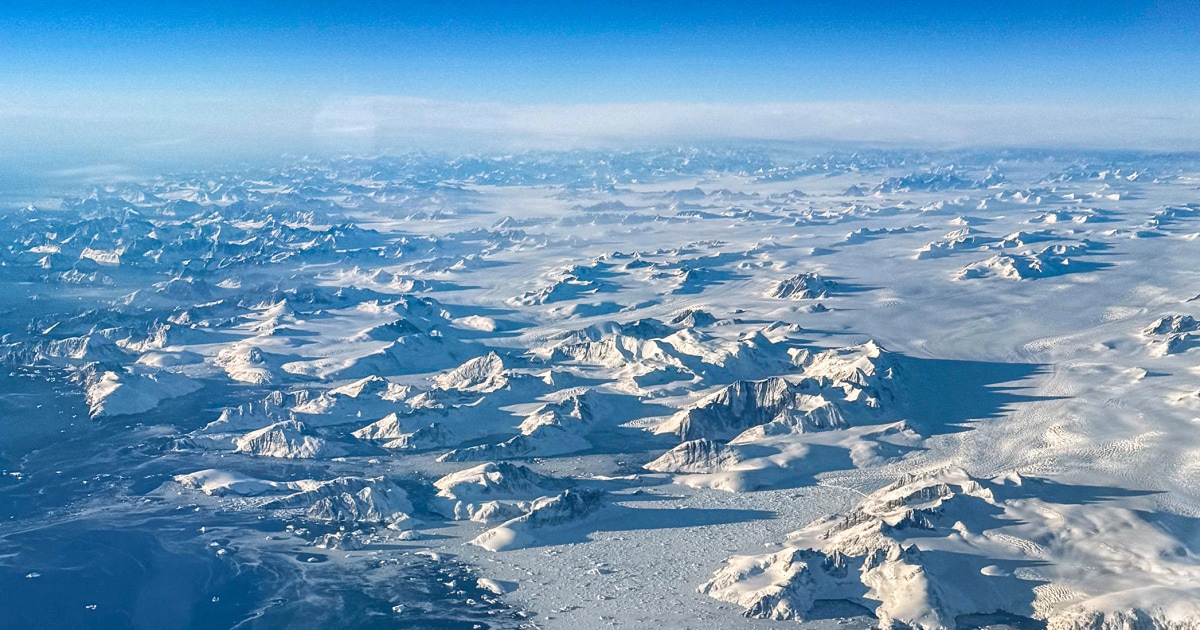
 NBC News
Arctic is again the hottest it's been in 125 years, with record-low sea ice, NOAA report says
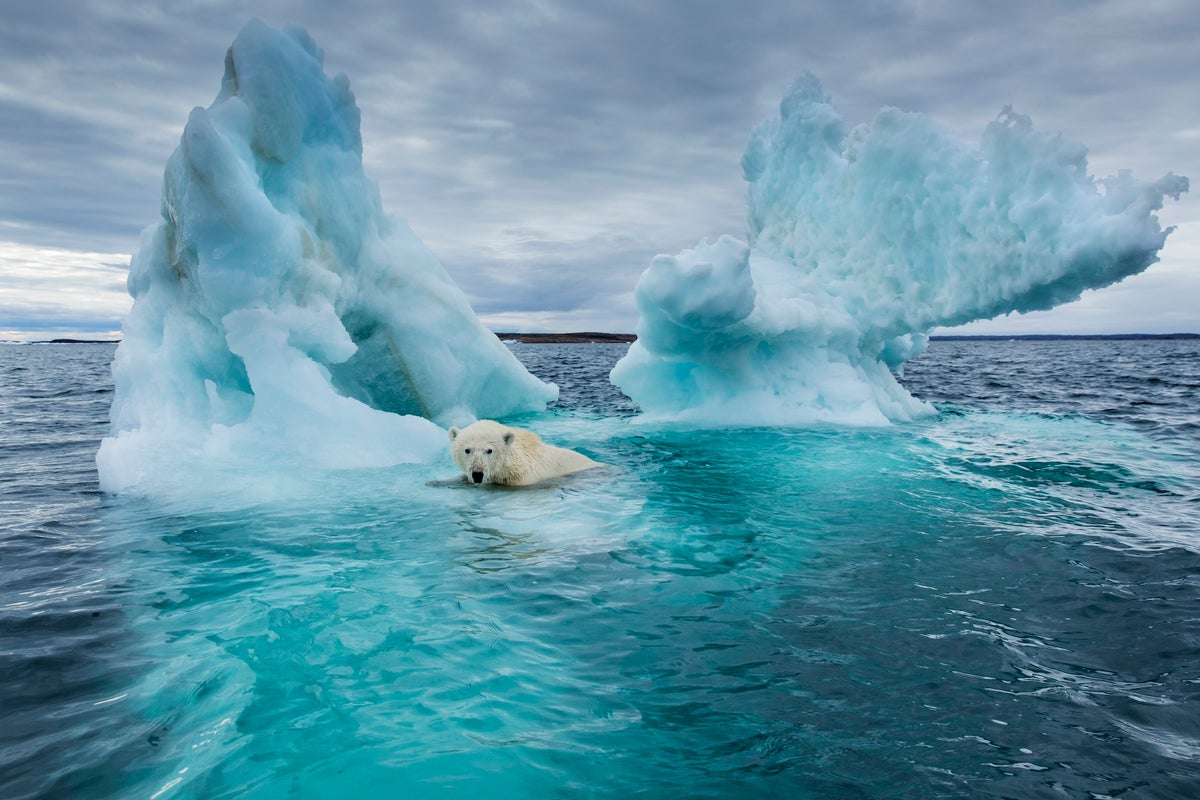
 Scientific American
The Arctic Is in Dire Straits, 20 Years of Reporting Show
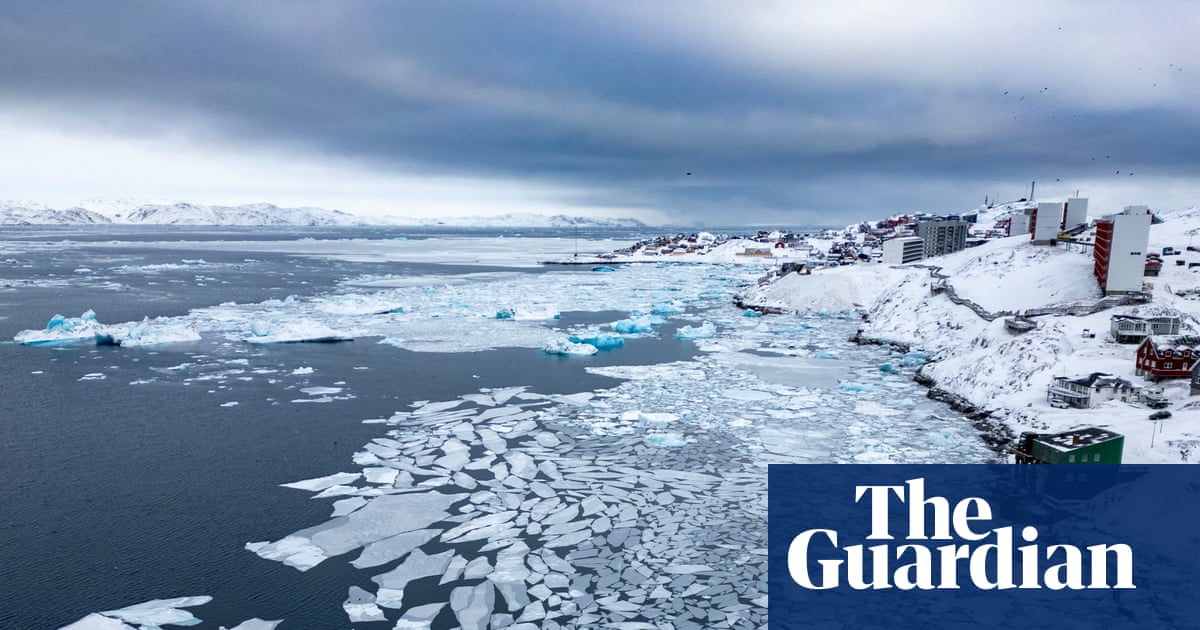
 The Guardian
Arctic endured year of record heat as climate scientists warn of ‘winter being redefined’

 NPR
NPRNew report finds the Arctic continues to warm faster than the planet as a whole
Overview
The Arctic recorded its hottest temperatures from October 2024 to September 2025, marking the warmest year in 125 years of modern record keeping, as per NOAA's findings.
NOAA's annual Arctic Report Card revealed the region's sea-ice extent reached its lowest point in 47 years, indicating profound and rapid environmental shifts due to global warming.
Arctic glaciers, particularly in Alaska, have significantly thinned since the 1950s, losing an average of 125 vertical feet, contributing to dangerous local floods.
Arctic June snow cover has decreased by 50% over the past 60 years, according to recent reports, further illustrating the widespread and accelerating impact of warming trends.
The warming and thawing of the Arctic, including the central Arctic Ocean, is altering global climate by increasing ice melt and affecting worldwide weather patterns.
Analysis
Center-leaning sources cover this story neutrally by focusing on the scientific findings of the NOAA Arctic Report Card. They present data and expert analysis regarding rapid Arctic warming, "rusting rivers," and ice loss, explaining complex phenomena factually. While acknowledging the political climate surrounding climate science, they avoid editorializing, allowing the scientific information to speak for itself.