New Research Challenges Vast Subsurface Ocean Theory on Saturn's Moon Titan
JPL researchers re-evaluating Cassini data now suggest Saturn's moon Titan may lack a vast subsurface ocean, instead featuring deep ice layers and melted water pockets, with Dragonfly launching in 2028.
 Scientific American
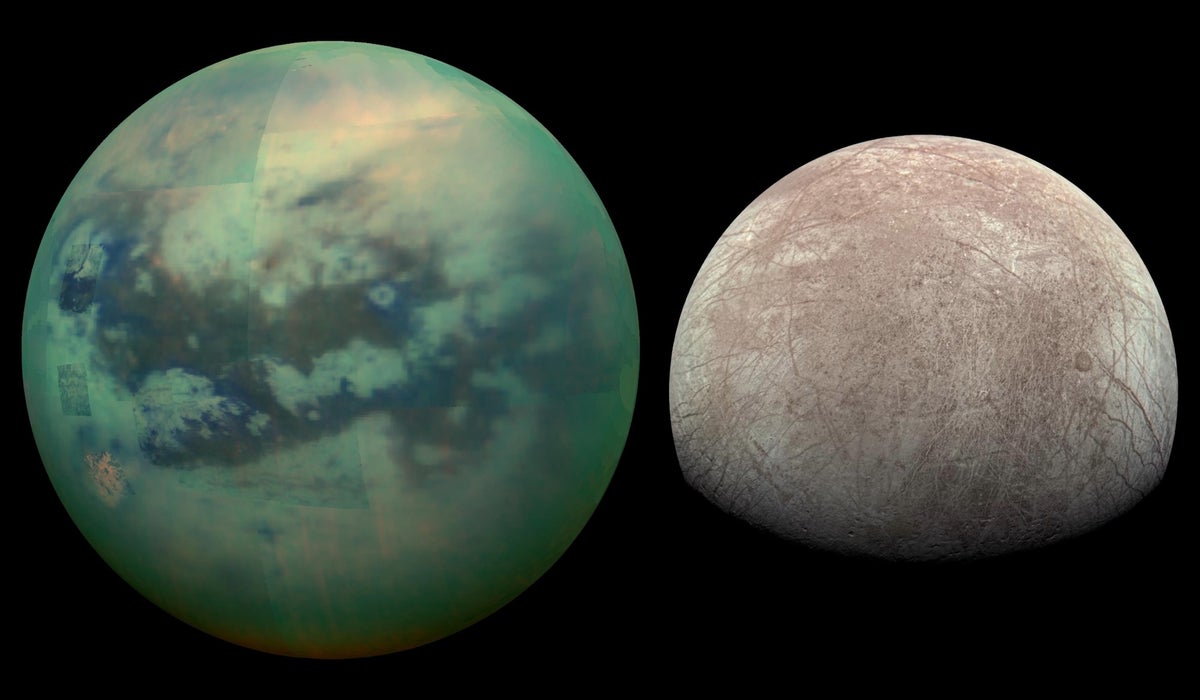
New Views of Solar System Moons Complicate Ocean Worlds Theory
 El Pais
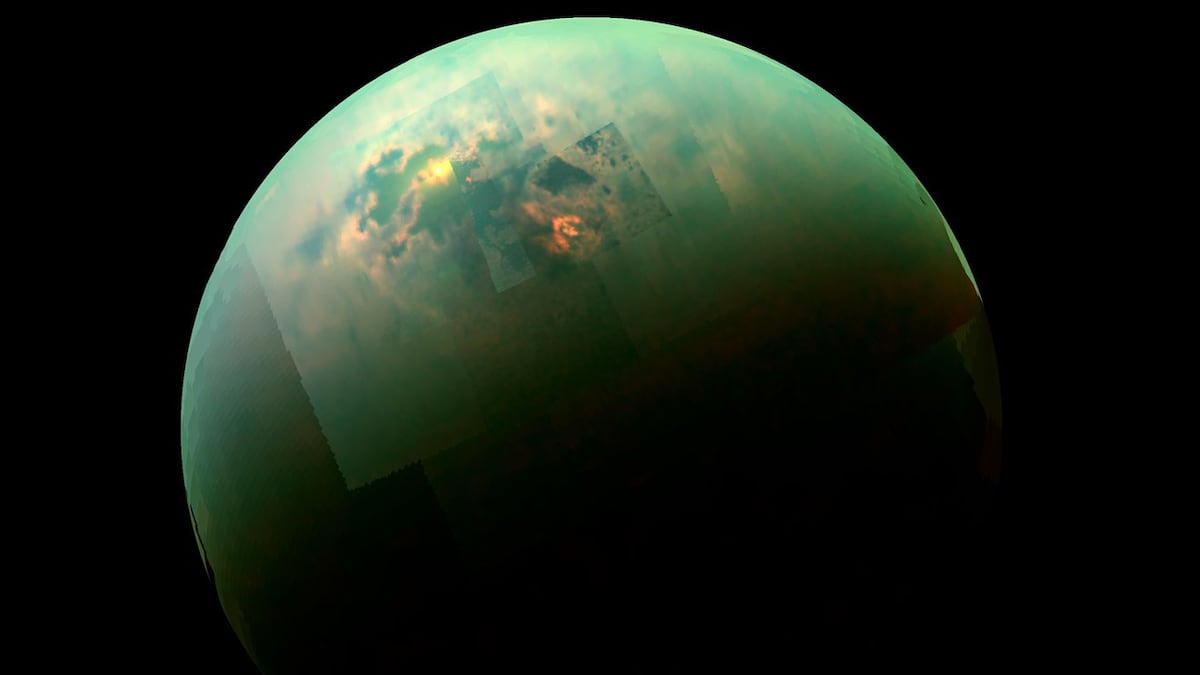
NASA discovers Titan doesn’t have an ocean, but a ‘slushy ice layer’ that increases possibility of life

 Boston Herald
Saturn’s moon Titan may not have a buried ocean as long suspected, new study suggests
 ABC News
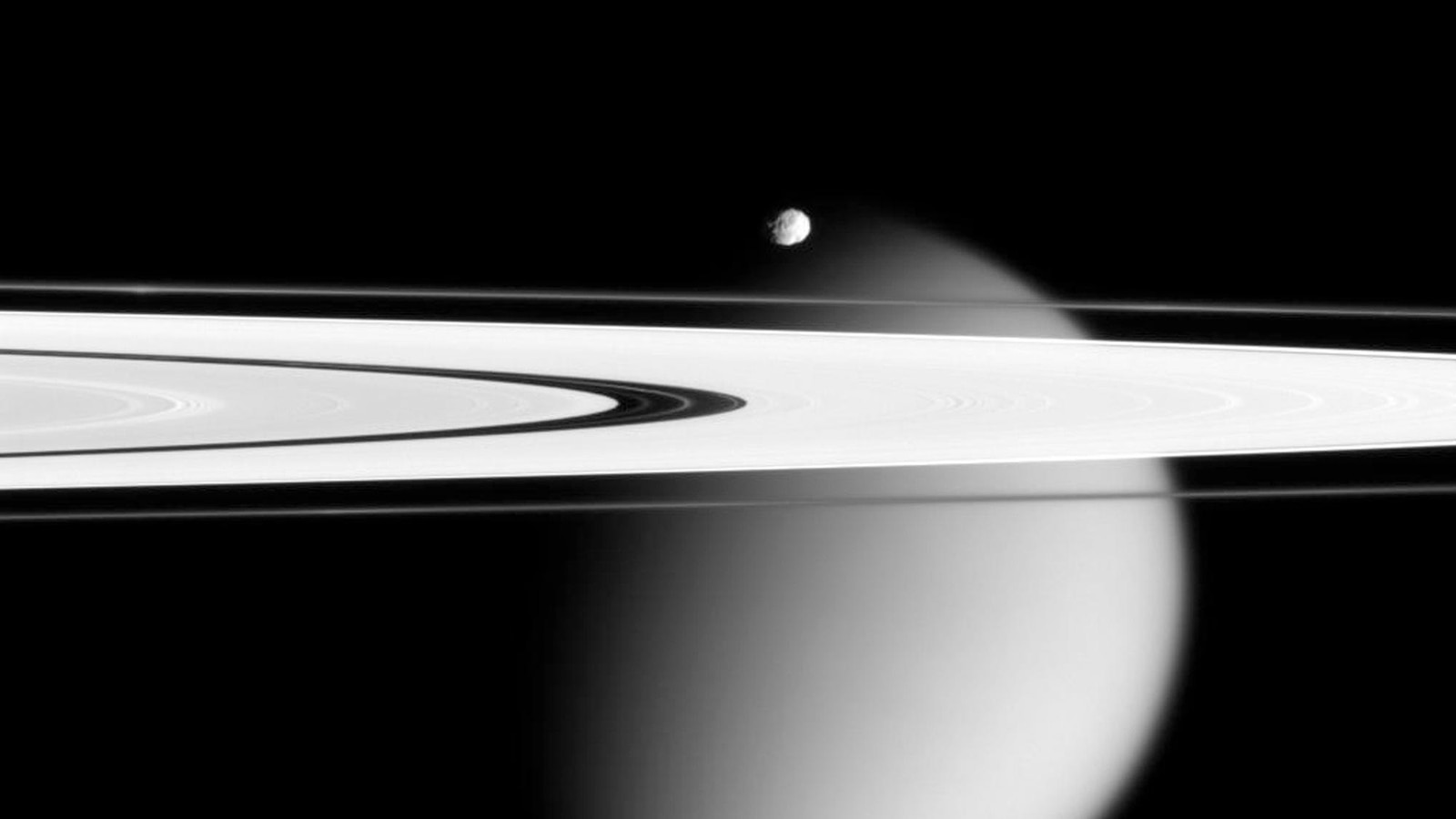
Saturn's moon Titan may not have a buried ocean as long suspected, new study suggests
Overview
JPL researchers re-evaluated Cassini spacecraft data from 2004-2017, using enhanced processing to measure Titan's surface deformation, challenging previous assumptions about its interior structure.
Contrary to earlier beliefs, new findings suggest Titan might lack a vast global ocean, instead proposing deep ice layers and melted water pockets, resembling Earth's polar seas, potentially supporting life.
Titan's interior may have a 100-mile-deep outer ice shell, overlaying slush and water layers extending an additional 250 miles, with water temperatures potentially reaching 68 degrees Fahrenheit.
Titan is tidally locked to Saturn, causing significant surface deformation with bulges up to 30 feet high due to Saturn's strong gravitational pull, which was crucial for the re-evaluation.
NASA's Dragonfly mission, launching in 2028, will explore Titan's surface and interior using a helicopter-like craft and a seismometer, enhancing understanding of its structure and organic chemistry.
Analysis
Center-leaning sources collectively frame this story as a definitive scientific revelation, overturning a long-held assumption about Titan's interior. They emphasize the "shocking" nature of the new findings and their profound implications for the search for life, often using strong, declarative language. This highlights a dramatic shift in understanding.