Winter Solstice Marks Shortest Day: Understanding Earth's Tilt and Ancient Celebrations
The winter solstice, marking the shortest day north of the equator, signals astronomical winter. Earth's maximum tilt causes this celestial event, leading to unequal day and night, and has been historically celebrated.




Overview
The winter solstice, occurring on Sunday, signifies the shortest and darkest day of the year for the Northern Hemisphere, officially commencing astronomical winter.
Solstices happen when Earth's axial tilt reaches its maximum inclination either towards or away from the sun during its annual orbit, affecting light distribution.
This astronomical event results in the most unequal distribution of sunlight between the Northern and Southern Hemispheres, leading to extreme day and night lengths.
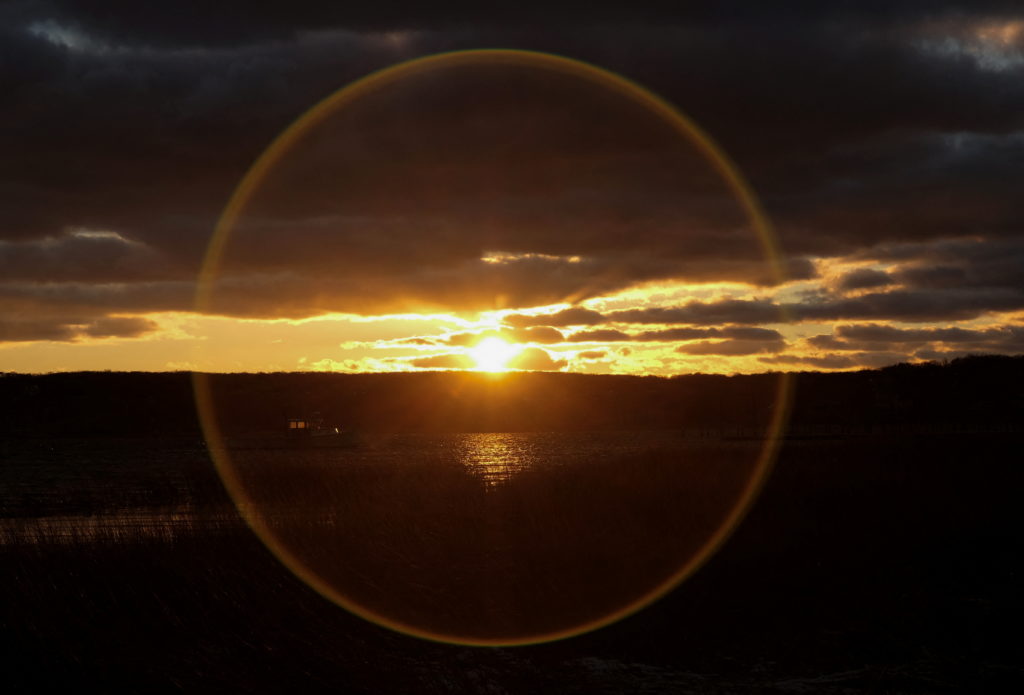
The term 'solstice' derives from Latin, meaning 'sun's pause,' reflecting the sun's apparent halt in its annual movement across the sky.
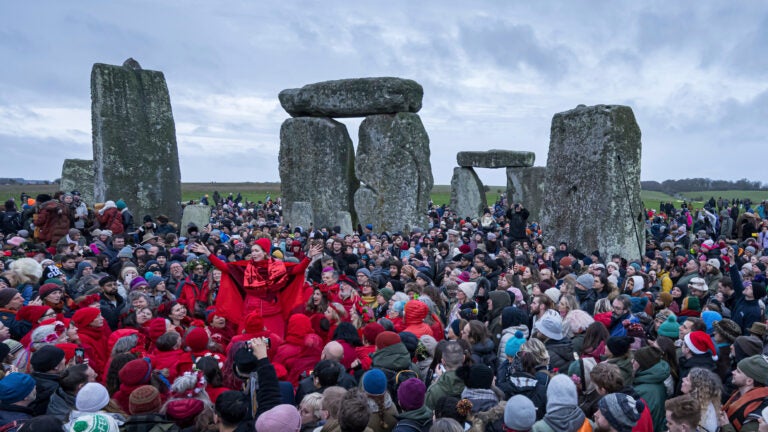
Historically, ancient civilizations recognized the solstices, constructing monuments like Stonehenge to align with the sun's precise paths during these significant celestial occurrences.
Analysis
Center-leaning sources cover the winter solstice neutrally, focusing on its scientific and historical aspects. They provide factual explanations of the astronomical event, its geographical variations, and its cultural significance, avoiding loaded language or selective emphasis to present a balanced and informative overview for readers.