Study in Science Advances Finds Bipedal Traits in Sahelanthropus Fossils
New Science Advances analysis finds Sahelanthropus fossils show anatomical bipedal adaptations, supporting early upright walking while researchers call for more fossils to confirm their interpretations.
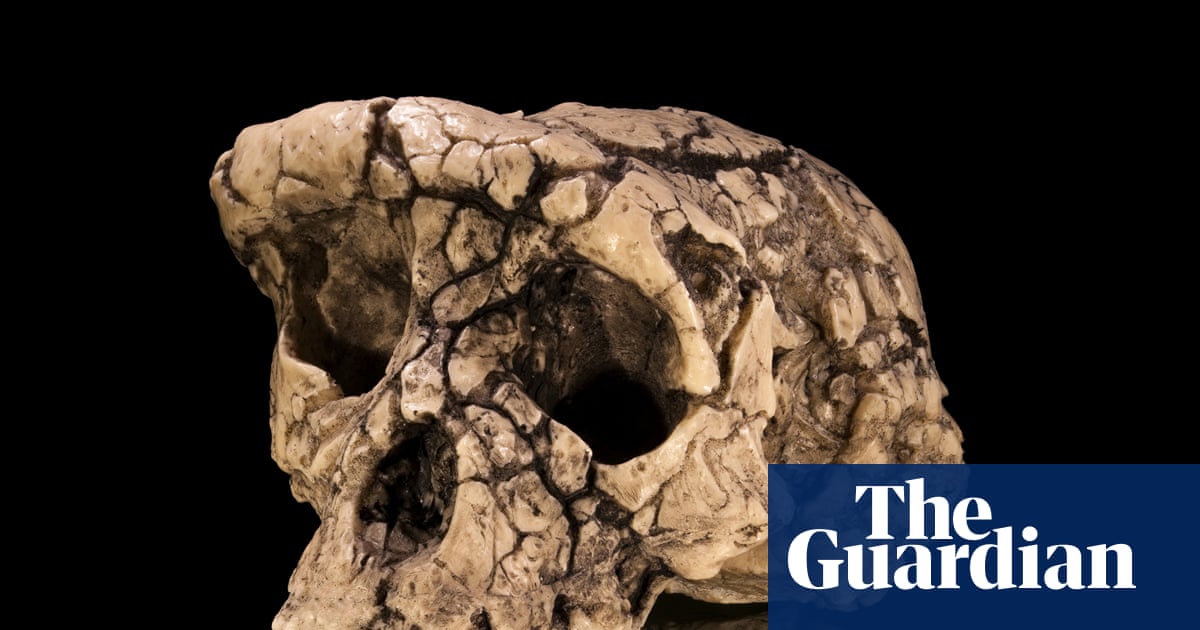
 The Guardian
Fresh bone analysis makes case for earliest ‘ancestor of humankind’, but doubts remain
The GuardianFresh bone analysis makes case for earliest ‘ancestor of humankind’, but doubts remain
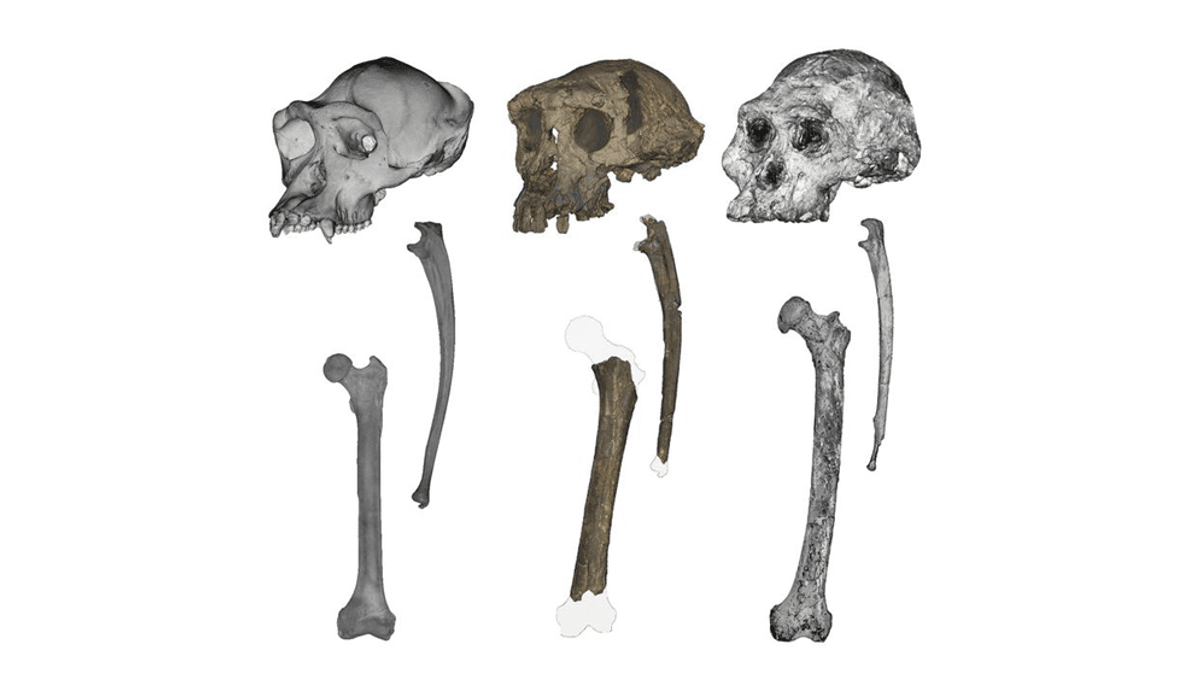
 IFL Science
Mysterious 7-Million-Year-Old Ape May Be Earliest Hominin To Walk On Two Feet
IFL ScienceMysterious 7-Million-Year-Old Ape May Be Earliest Hominin To Walk On Two Feet
Overview
Authors in Science Advances reanalyzed Sahelanthropus and other early hominin fossils, examining anatomical evidence to clarify locomotion and early human evolutionary pathways.
The analysis identifies skeletal features interpreted as bipedal adaptations, suggesting upright walking traits emerged earlier than previously emphasized in the hominin lineage.
Debate continues whether Sahelanthropus was a bipedal early hominin or a knuckle-walking ape; the study favors bipedality but acknowledges supportive evidence for both paths.
Researchers used updated anatomical analyses and fossil reexaminations to identify locomotor markers, noting limitations in available material and the need for contextual evidence.
If confirmed by additional discoveries, these findings would mark a pivotal step in human evolution, refining timelines of locomotor adaptation and ecological shifts.
Analysis
Analysis unavailable for this viewpoint.