New Study Argues Sahelanthropus Showed Early Bipedal Adaptations
New analysis argues Sahelanthropus displayed early bipedal adaptations, suggesting a pivotal shift toward upright walking; authors call for more fossils, published in Science Advances study.



Overview
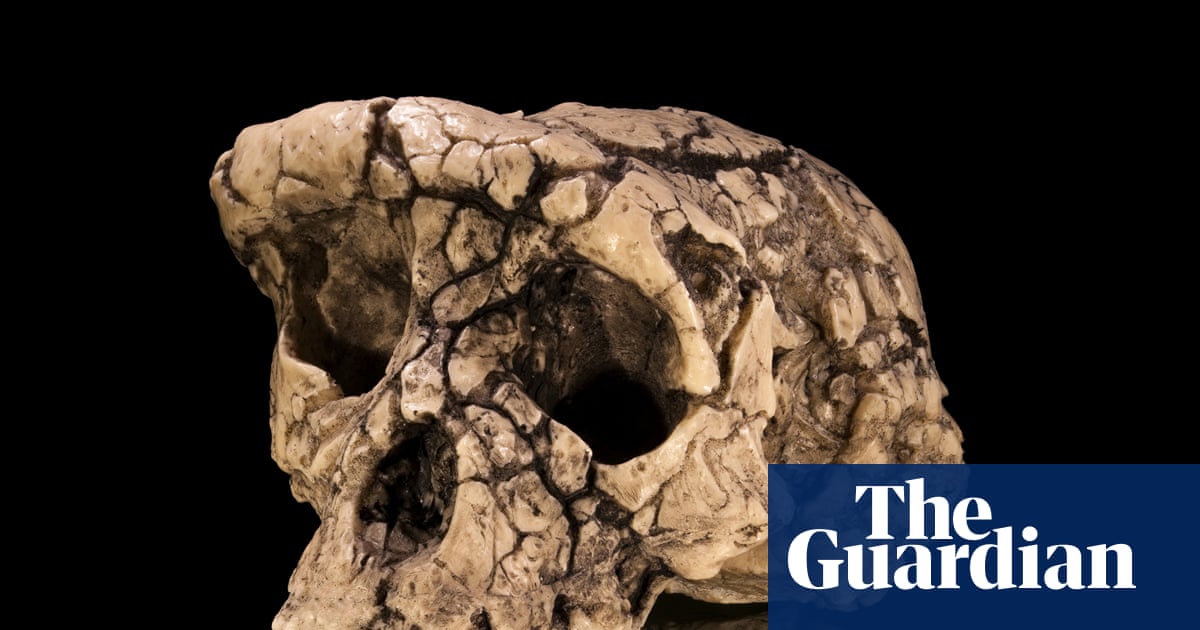
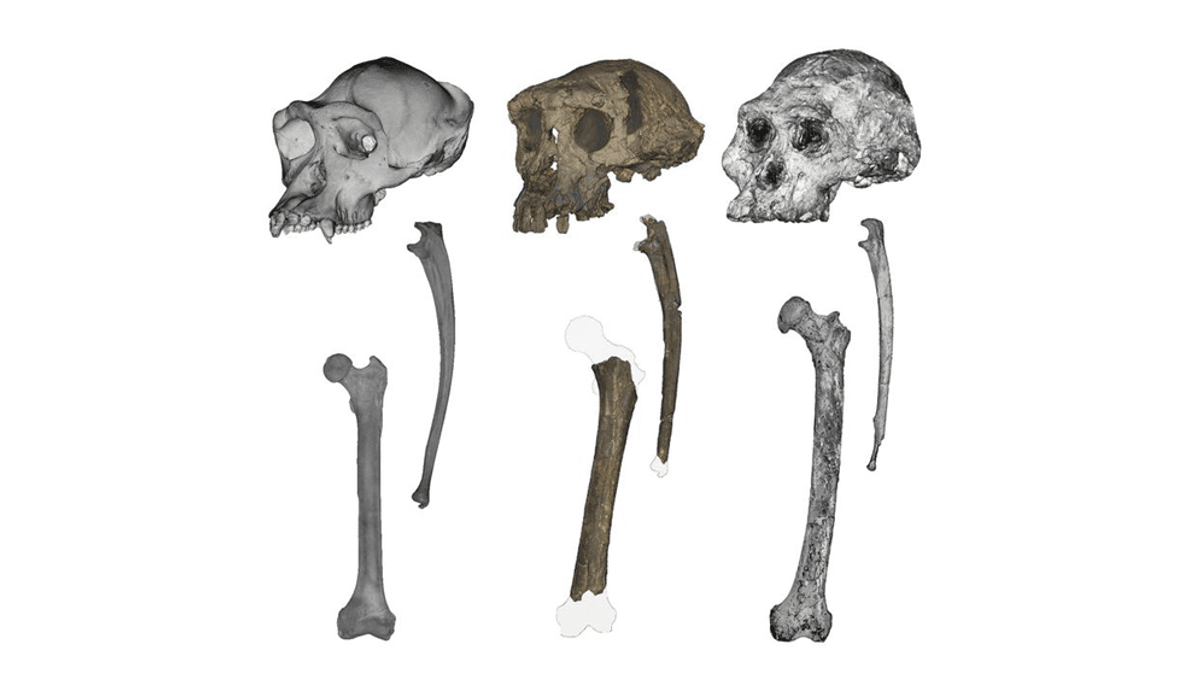
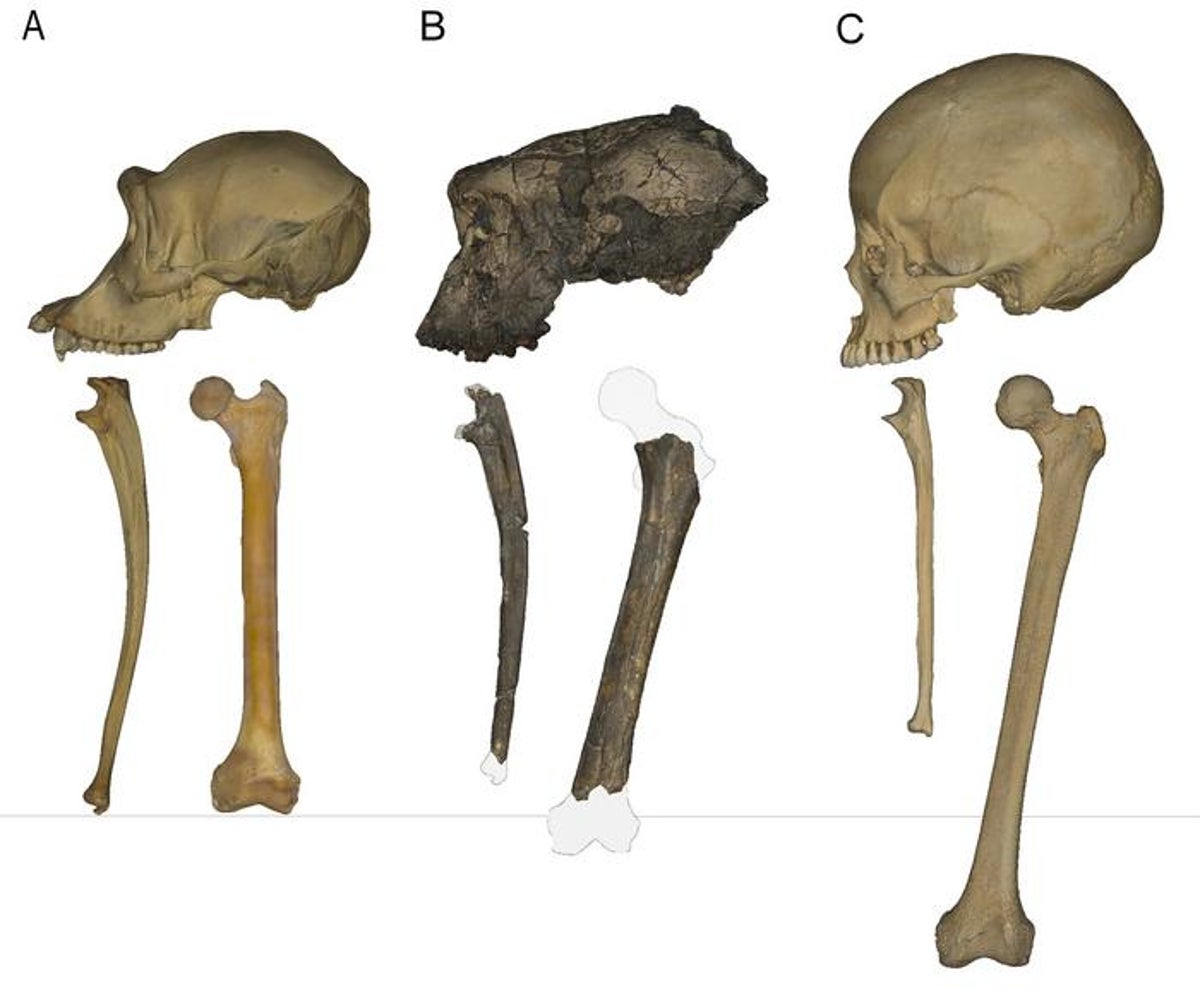
Researchers analyzing Sahelanthropus fossils report anatomical features interpreted as early bipedal adaptations, reigniting debate over whether it walked upright or was a knuckle-walking ape.
The findings, published in Science Advances, summarize new fossil analysis and note plans to return to the original Sahelanthropus site to seek further evidence.
Authors base bipedal interpretation on specific skeletal traits visible in the fossils; critics argue some traits better fit an ape-like, knuckle-walking locomotion, keeping conclusions tentative.
If confirmed, early bipedal adaptations in Sahelanthropus would mark a pivotal point in human evolution, shifting timelines and interpretations of hominin locomotor evolution.
Researchers emphasize need for more fossils and planned fieldwork at the discovery site to test hypotheses, hoping new material will resolve competing evolutionary interpretations.
Analysis
Analysis unavailable for this viewpoint.