773,000-Year-Old Moroccan Fossils Could Be Last Common Hominin Ancestor
Researchers dated jawbones and a femur from Casablanca to 773,000 years, suggesting these Moroccan fossils could be the common ancestor of humans, Neanderthals, and Denisovans.

 CNN
CNNFossils unearthed in Morocco are first from little-understood period of human evolution
 Scientific American
Meet the Ancestor That Connects Us to Neandertals and Denisovans
 IFL Science
"What We Have Is A Very Good Candidate": Has The Ancestor Of Homo Sapiens Finally Been Found In Africa?
IFL Science"What We Have Is A Very Good Candidate": Has The Ancestor Of Homo Sapiens Finally Been Found In Africa?
Overview
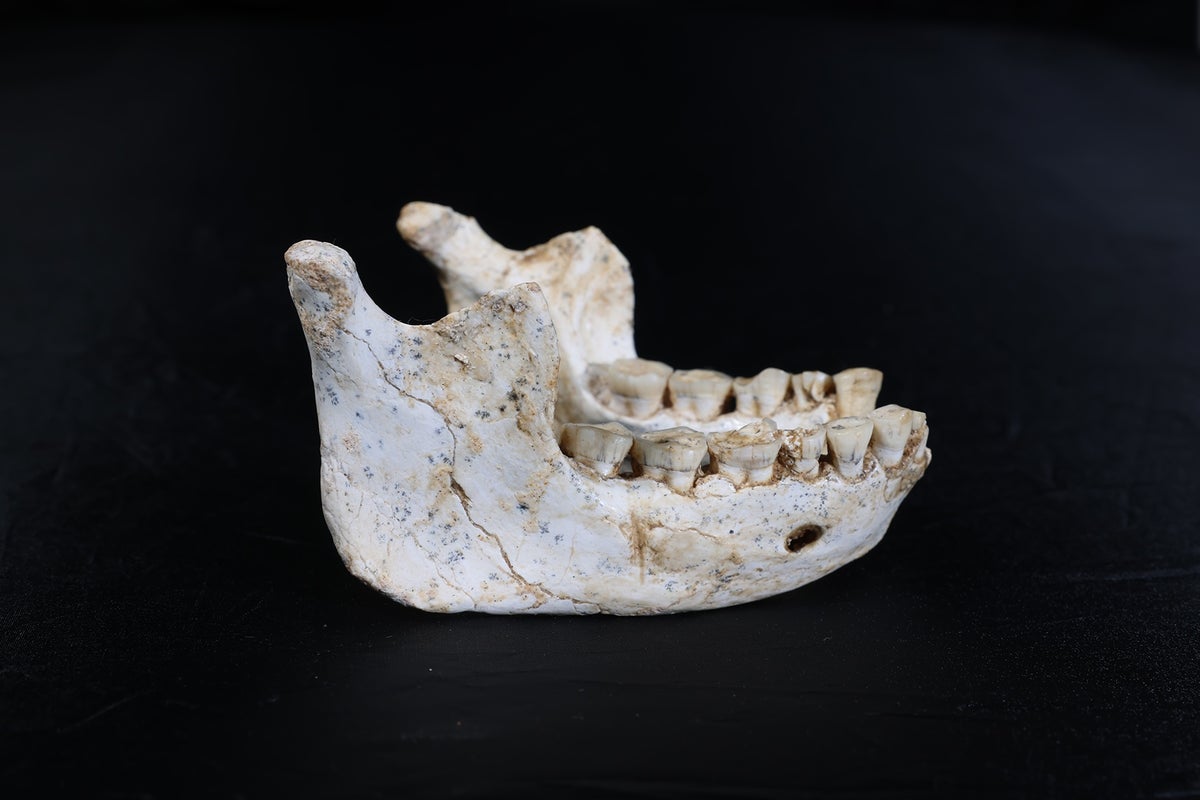
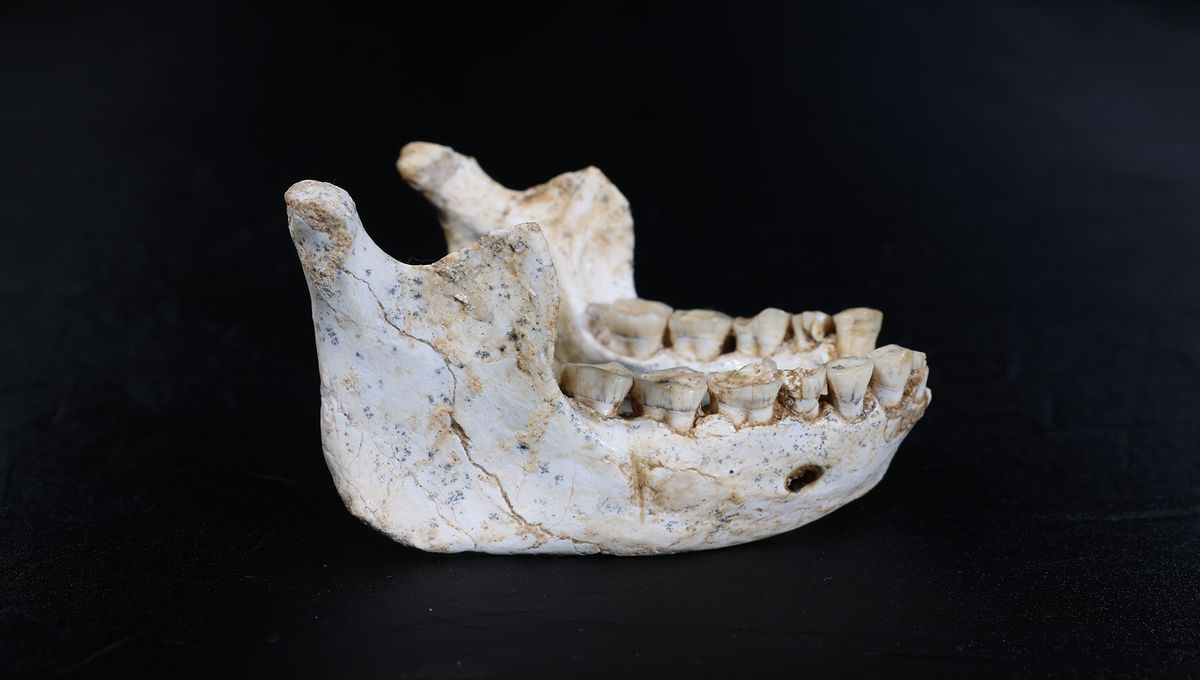
Researchers reported jawbones, teeth, and a femur from Grotte à Hominidés cave in Casablanca, Morocco, dated to about 773,000 years using the Matuyama–Brunhes magnetic reversal.
The mandible resembles Homo erectus, dental traits align with early Homo sapiens and Neanderthals, showing a mosaic of features and lacking a defined modern-human chin.
Sediment layers correlated with the Brunhes–Matuyama reversal support the age and narrow the divergence window between modern humans, Neanderthals, and Denisovans to 765,000–550,000 years.
A femur with gnaw marks and associated animal remains indicate carnivore accumulation—possibly hyenas—suggesting fossils were residues of predation or scavenging before burial.
If these fossils represent the last common ancestor lineage, they could reshape understanding of pre-Homo sapiens evolution in Africa, linking Homo antecessor and H. heidelbergensis narratives.
Analysis
Center-leaning sources present this story with a focus on scientific discovery and evolutionary history, maintaining a neutral tone. They emphasize the significance of the fossils in understanding human ancestry without using loaded language or showing bias. The coverage highlights the collaborative nature of the research and the ongoing debate in the scientific community, providing a balanced view of the findings.