Ancient hunters used plant-based poisons on arrows, chemical tests reveal
Analysis of arrowheads from South Africa and Egypt shows use of toxic plant glycosides and specific alkaloids thousands of years ago, revealing advanced hunting methods and poisoning techniques.

 ARS Technica
These 60,000-year-old poison arrows are oldest yet found

 The Debrief
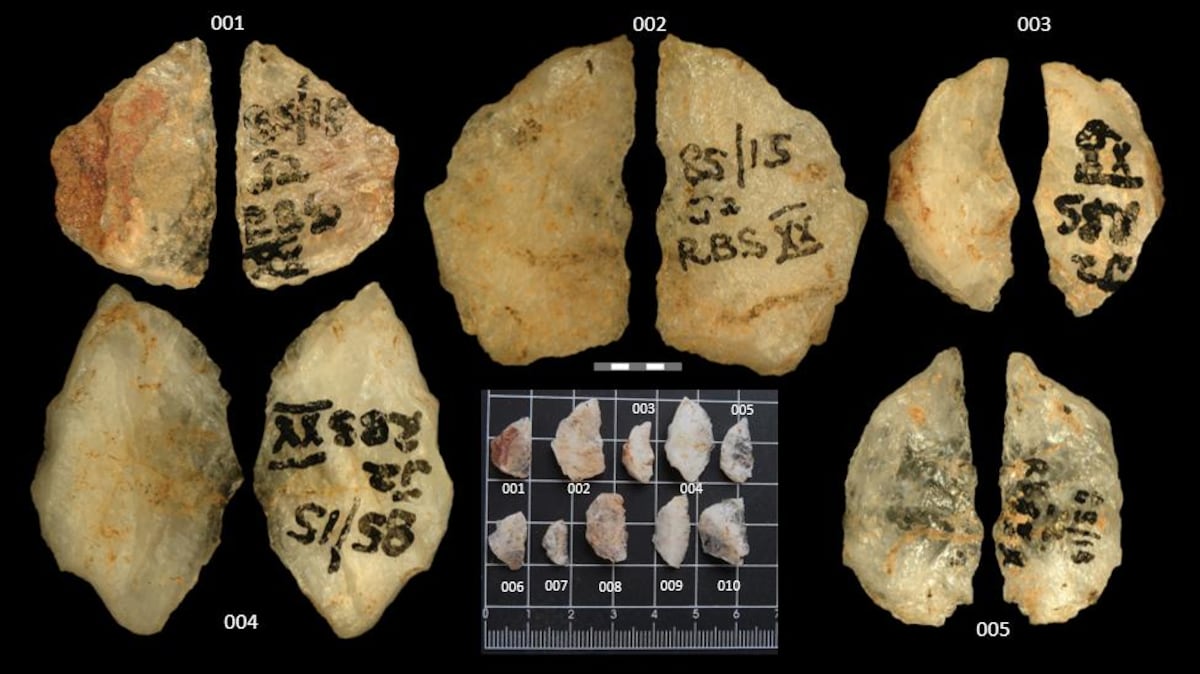
60,000-Year-Old Projectiles Are the World's First 'Poison Arrows,' Extending Earliest Use in Africa by Thousands of Years
 El Pais
Poison in arrows from 60,000 years ago: Oldest evidence of its use in human weapons discovered

 Semafor
Ancient human hunters used poisoned arrows
Overview
Arrowheads from South Africa (6,700 years old) and Egypt (4,000 years old) tested positive for toxic plant glycosides, indicating historic use of poison in hunting.
Chemical residues matched Boophone disticha, a South African toxic plant known as gifbol, confirming specific plant-based poisoning.
Detected alkaloids—buphanidrine and epibuphanisine—identified the poison compounds on the artifacts.
Historical and archaeological evidence suggests poisoned arrows were intended to incapacitate prey rather than kill instantly.
Symptoms of human exposure include nausea, muscle weakness, respiratory problems, rapid pulse and potential coma, depending on dose.
Analysis
Center-leaning sources present this discovery with a focus on the scientific and historical significance, maintaining a neutral tone. The reporting emphasizes the collaborative nature of the research and the advanced cognitive abilities of early humans without using loaded language or selective emphasis. The article provides a balanced view by including direct quotes from multiple researchers, supporting the neutrality of the coverage.