Antarctic Penguin Breeding Shifts Threaten Specialist Species
Warming at Antarctic breeding grounds advanced breeding by about two weeks and raises extinction risk for Adelie and chinstrap penguins, study says.
 PBS NewsHour
Antarctic penguins threatened as warming temperatures cause them to breed earlier, research shows

 Boston Herald
Researchers find Antarctic penguin breeding is heating up sooner, and that’s a problem
 CBS News
Warming temperatures are forcing some Antarctic penguins to breed earlier, study finds
Overview
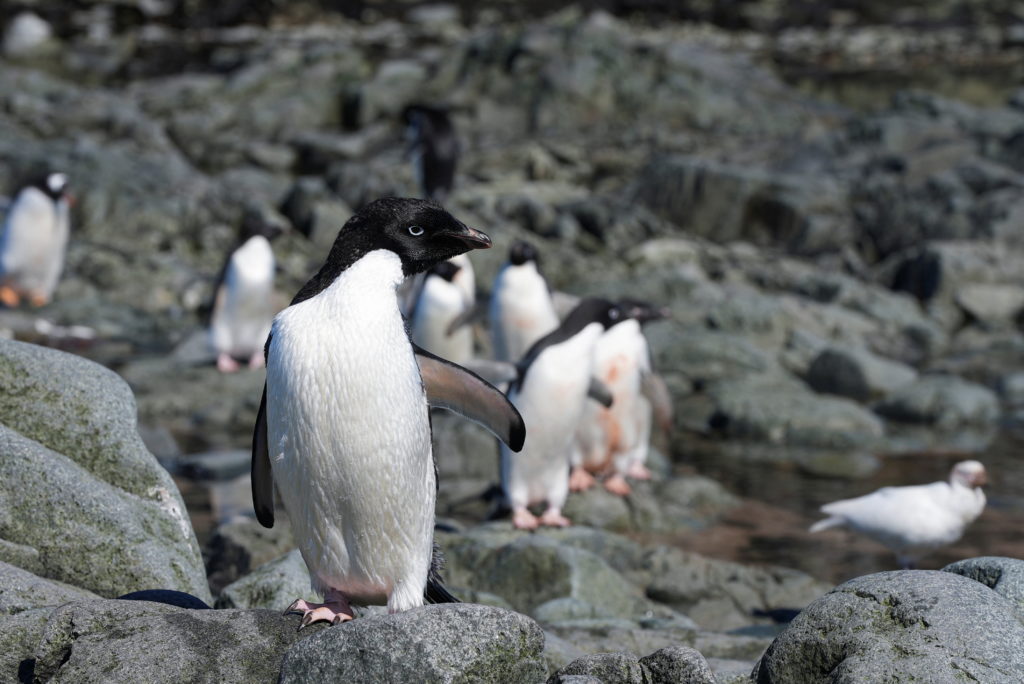
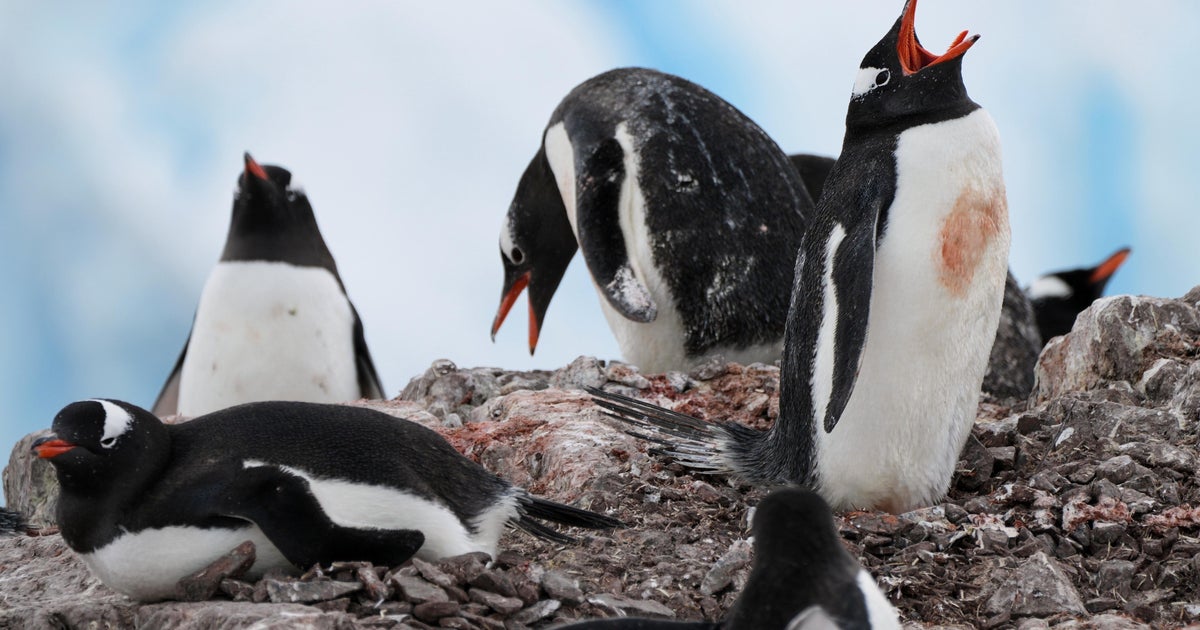
LEAD: The study published Tuesday in the Journal of Animal Ecology found that Adelie, chinstrap and gentoo penguins in Antarctic breeding grounds began breeding about two weeks earlier after temperatures at those sites rose 5.4 degrees Fahrenheit (3 degrees Celsius) between 2012 and 2022, lead author Ignacio Juarez Martinez, a biologist at Oxford University, said.
CONTEXT: Researchers used 77 remote-control cameras to photograph colonies hourly from 2011 through 2021 and analyzed more than 9 million images annotated via the Penguin Watch project to document the timing shift, co-author Fiona Suttle, a biologist at Oxford University, said.
RESPONSE: "Penguins are changing the time at which they're breeding at a record speed, faster than any other vertebrate," Ignacio Juarez Martinez said in published comments, and Suttle added that gentoos' faster shift has led to observed replacement of Adelie nests at some colonies and increased competition for food.
SCALE: Models cited in the study show chinstrap populations could go extinct globally before the end of the century and that Adelie penguins are likely to disappear from the Antarctic Peninsula before the end of the century, Martinez said, while separate research from the British Antarctic Survey and the University of Southampton reported a 22% decline in emperor penguins between 2009 and 2024.
FORWARD: The study's authors called for continued, long-term monitoring of breeding timing and for management of commercial krill fisheries to reduce early-season pressure, warning that without mitigation the observed shifts could accelerate population declines over the coming decades, the paper said.
Analysis
Center-leaning sources frame penguin breeding shifts as emblematic of rapid climate-change impacts, emphasizing extinction risk with alarming model projections and vivid field anecdotes. Editorial choices highlight striking statistics and expert warnings while giving limited attention to counterviews; the coverage nevertheless anchors claims in long-term observational data and methods.