Scientists Find Svalbard Polar Bears Fatter Despite Ice Loss
Study finds 770 polar bears tracked 1992–2019 gained body condition even as annual sea-ice season shortened by more than two months.
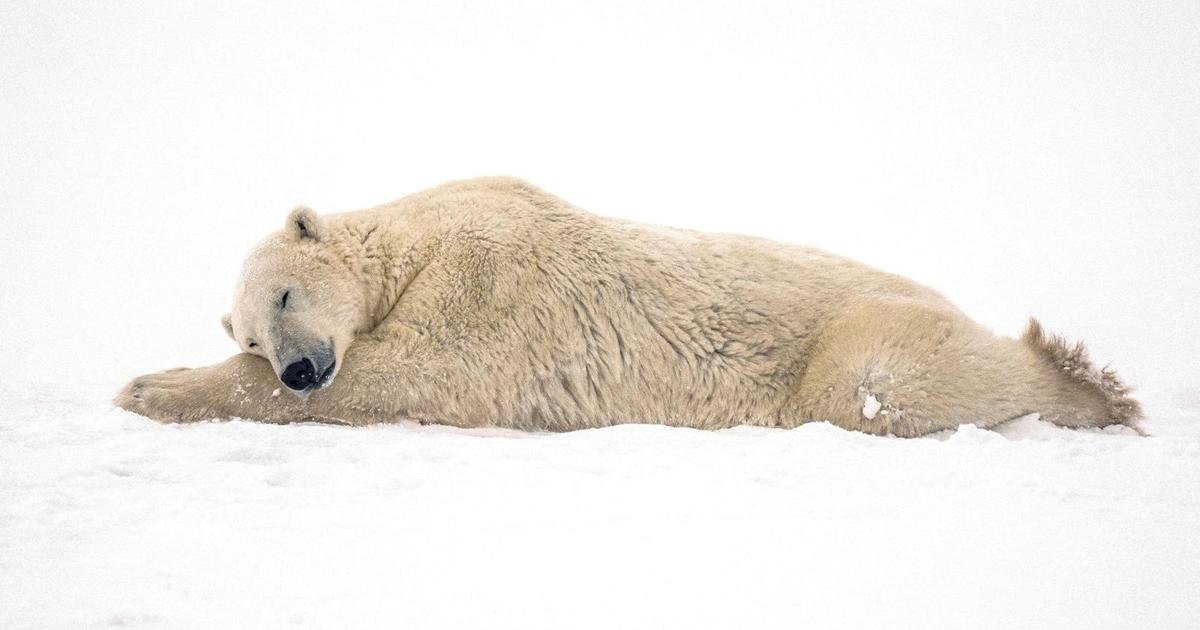
 Semafor
Polar bears fatten up with new diets amid ice loss
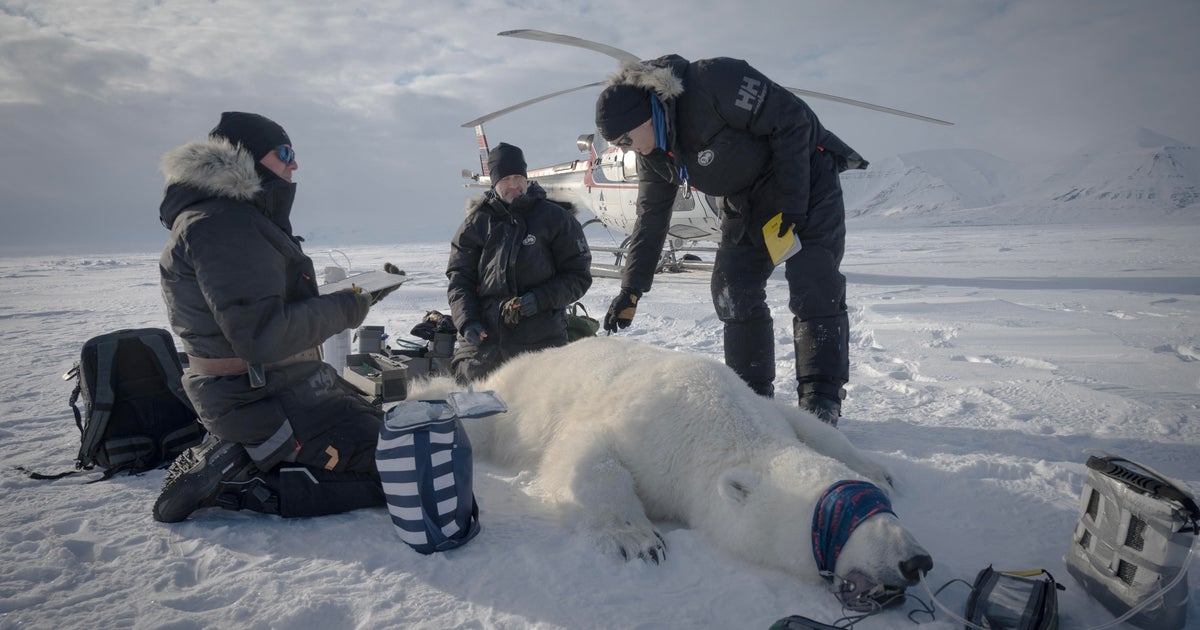
 CBS News
Scientists "quite surprised" to find one polar bear population thriving: "A fat bear is a healthy bear"
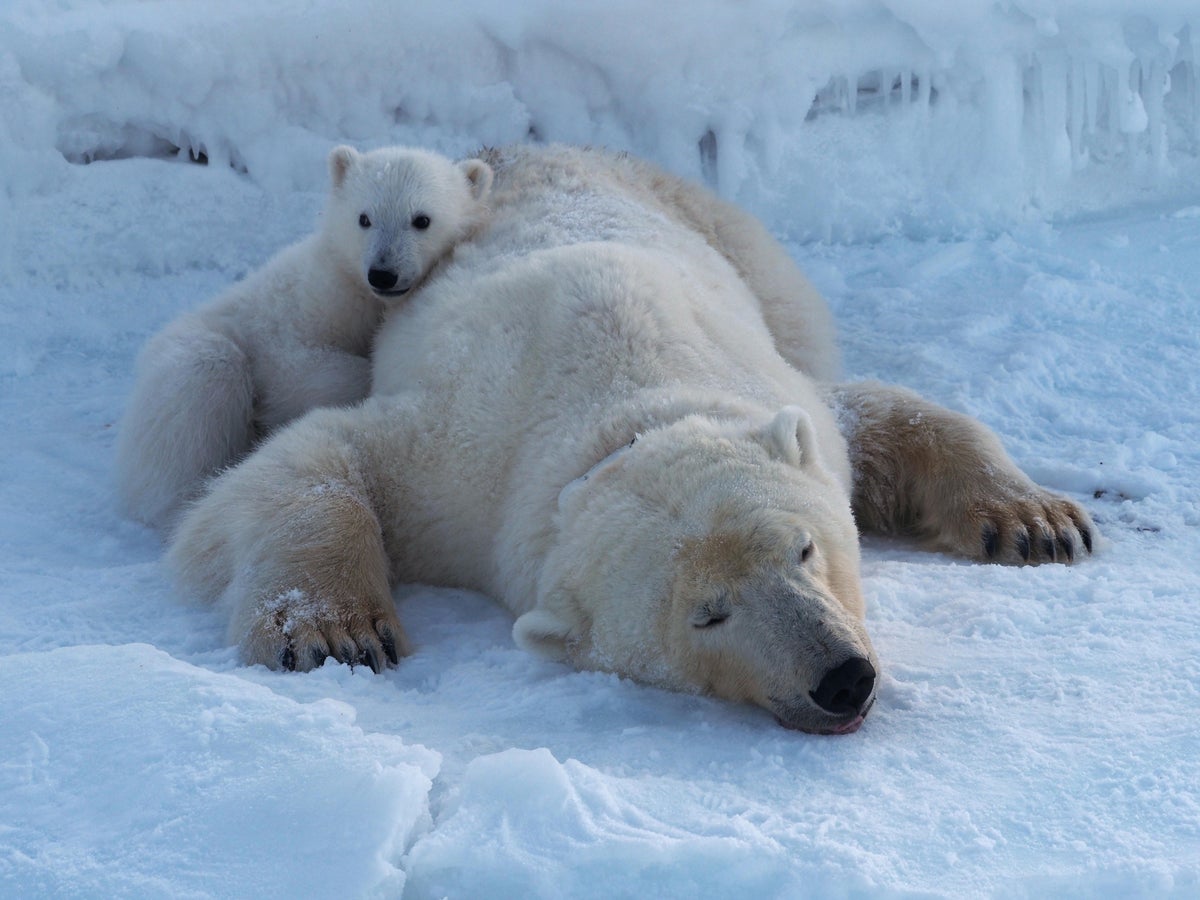
 Scientific American
Svalbard’s polar bears are showing remarkable resilience to climate change
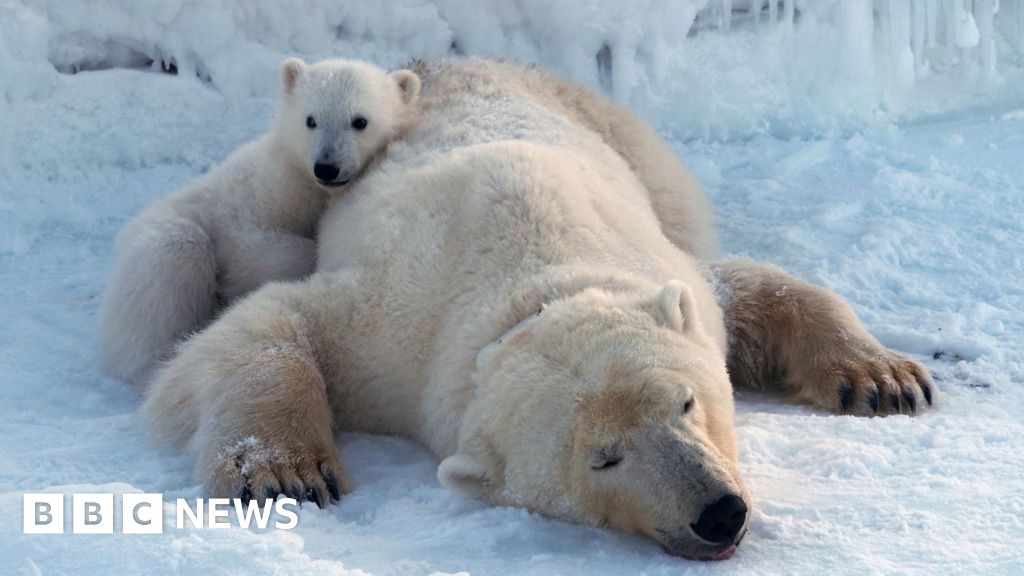
 BBC News
Polar bears getting "fatter and healthier" amid ice loss
Overview
Jon Aars of the Norwegian Polar Institute reported in Scientific Reports that 770 polar bears measured between 1992 and 2019 showed no overall decline in body condition, based on more than 1,000 body measurements.
The study says the region's annual sea-ice season shortened by more than two months and ice-free days rose by almost 100 between 1992 and 2019, reducing traditional seal-hunting platforms for bears.
Jon Aars told CBS News "A fat bear is a healthy bear," while Lori Quakenbush of the Alaska Department of Fish and Game's Arctic Marine Mammal Program cautioned the results do not predict future resilience.
Researchers said recovering walrus numbers—protected in Norway since the 1950s—and more reindeer availability likely helped Svalbard bears, even as other Arctic subpopulations in Alaska, Canada and Greenland are declining, the paper notes.
Scientists warned the gains may be temporary and said they will monitor trends over the next five, 10 and 20 years to determine whether continued sea-ice loss reverses the Svalbard bears' condition.
Analysis
Center-leaning sources highlight a resilience narrative by foregrounding Svalbard bears' weight gain and population rise despite sea-ice loss, using contrastive wording ('fatten up', 'adapt') and selective locality focus. They emphasize adaptive behaviors and recovery (walrus hunting, hunting ban) while relegating global declines and sparse data to secondary sentences.