Supreme Court Allows Mississippi to Enforce Social Media Age Verification Law
The Supreme Court permitted Mississippi to enforce its social media age verification law, requiring parental consent for users under 18, while a legal challenge by tech group NetChoice proceeds.

 Daily Caller
Supreme Court Gives Green Light On Mississippi Social Media Age Verification Law For Now

 Al Jazeera
US Supreme Court declines to pause new Mississippi social media law

 Joe.My.God.
SCOTUS Upholds Social Media Age Law (For Now)
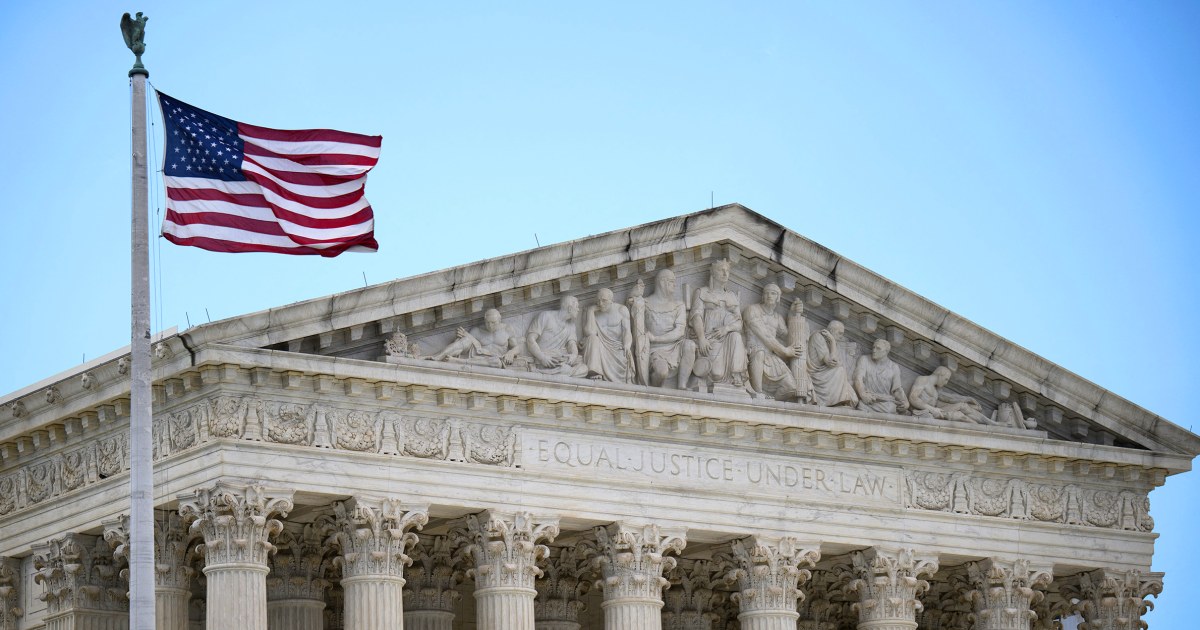
 MSNBC
MSNBCSupreme Court issues ruling on emergency relief to Big Tech over Mississippi social media law
Overview
The Supreme Court has allowed Mississippi to enforce its social media age verification law, which mandates parental consent for users under 18, during an ongoing legal challenge.
This law requires social media platforms to obtain parental consent for users under 18, aiming to protect young people from potential online harms and address mental health concerns.
A three-judge panel of the 5th Circuit U.S. Court of Appeals initially ruled that the law could be enforced while the lawsuit against it proceeds in lower courts.
Mississippi Attorney General Lynn Fitch and supporters advocate for these laws, asserting they are crucial for safeguarding young individuals from online dangers and mitigating mental health issues.
Tech industry group NetChoice is challenging the law, arguing it infringes upon privacy rights and restricts free expression, despite Justice Kavanaugh's procedural support for its temporary enforcement.
Analysis
Center-leaning sources cover the Supreme Court's decision neutrally, focusing on factual reporting of the court's action and presenting both sides of the legal arguments. They avoid loaded language and attribute all viewpoints to the respective parties, allowing readers to understand the complexities without editorial bias.