OpenAI Challenges Google with New AI-Powered Web Browser, ChatGPT Atlas
OpenAI launched ChatGPT Atlas, an AI-powered web browser, challenging Google's Chrome dominance. Integrating advanced AI features like "agent mode," OpenAI seeks profitability.



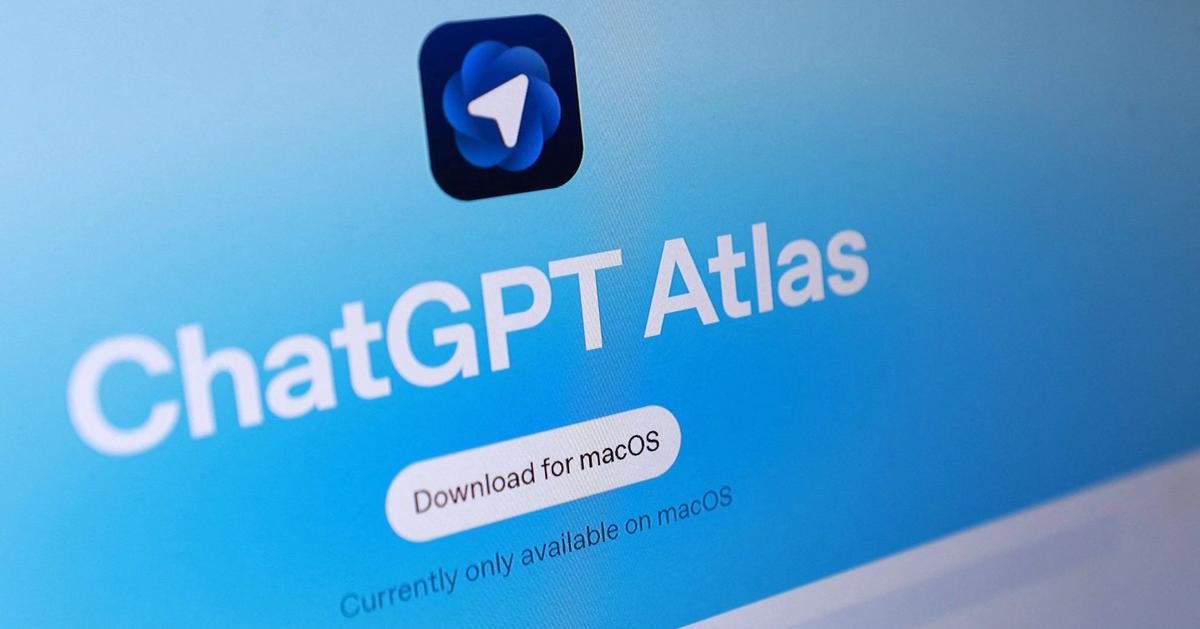


Overview
OpenAI launched ChatGPT Atlas, an AI-powered web browser, directly challenging Google's dominance in online search and browsing within the competitive browser market.
Atlas integrates advanced AI features, enabling users to interact with webpages, perform searches, and edit text using conversational prompts, mirroring Google's AI-enhanced search results.
The browser's premium "agent mode" for subscribers enables AI to autonomously navigate the internet, performing complex tasks like booking travel or ordering groceries.
OpenAI struggles with profitability despite 800 million ChatGPT users. It aims to leverage Atlas to increase internet traffic and ad revenue, positioning its AI chatbot as a search gateway.
The launch intensifies AI browser competition, as Google's Chrome integrates Gemini AI and smaller startups like Perplexity also introduce their own AI-powered browsers.
Analysis
Center-leaning sources frame this story by emphasizing the significant challenges and potential negative implications of OpenAI's new browser. They highlight the formidable competition from Google and the risks associated with AI, such as its potential to harm online publishers, generate false information, and raise privacy concerns, creating a cautious and skeptical narrative.