AI-Generated Artist Tops Country Charts, Sparking Industry Debate and New Licensing Deals
A fictional AI artist topped country digital sales, prompting major record labels to pursue new licensing agreements and legal actions against AI music generators.
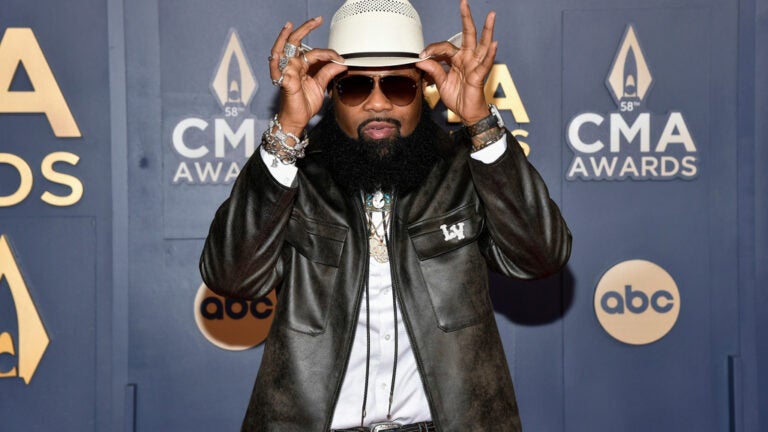
 Boston Globe
AI country hit 'Walk My Walk' built on Blanco Brown's sound sparks questions of attribution, ethics

 Breitbart News
Singer Blanco Brown Claims White AI-Generated Artist That Topped Country Sales Chart, Is Based on Him: ‘They Used the Blanco, Not the Brown’

 ABC News
AI country hit 'Walk My Walk' sparks questions of attribution, ethics
Overview
A fictional, digitally generated artist named Breaking Rust unexpectedly topped Billboard's country digital song sales chart, despite not existing two months prior, highlighting AI's rapid impact.
Aubierre Rivaldo Taylor is credited as songwriter and producer for the AI track 'Walk My Walk' and for Defbeatsai, an AI country artist gaining social media popularity.
Generative AI transforms music by enabling instant song creation using models based on real artists' voices and styles, often raising concerns about consent and copyright.
Major record labels like Universal Music Group and Warner Music Group resolved copyright lawsuits, establishing pioneering licensing agreements with AI song generators Udio and Suno.
AI-generated hits are outpacing the music industry's adaptation, creating legal, ethical, and policy gaps that artists and labels are now actively addressing, prompting swift action.
Analysis
Center-leaning sources frame this story by emphasizing the ethical and racial implications of AI-generated music. They highlight Blanco Brown's shock and sense of appropriation, portraying AI as a disruptive force lacking guardrails. The narrative underscores how technology can exploit artists, especially Black artists whose innovations are often reattributed within the industry.