Edmonton Police Pilot AI Body Cameras with Facial Recognition, Sparking Privacy Debate
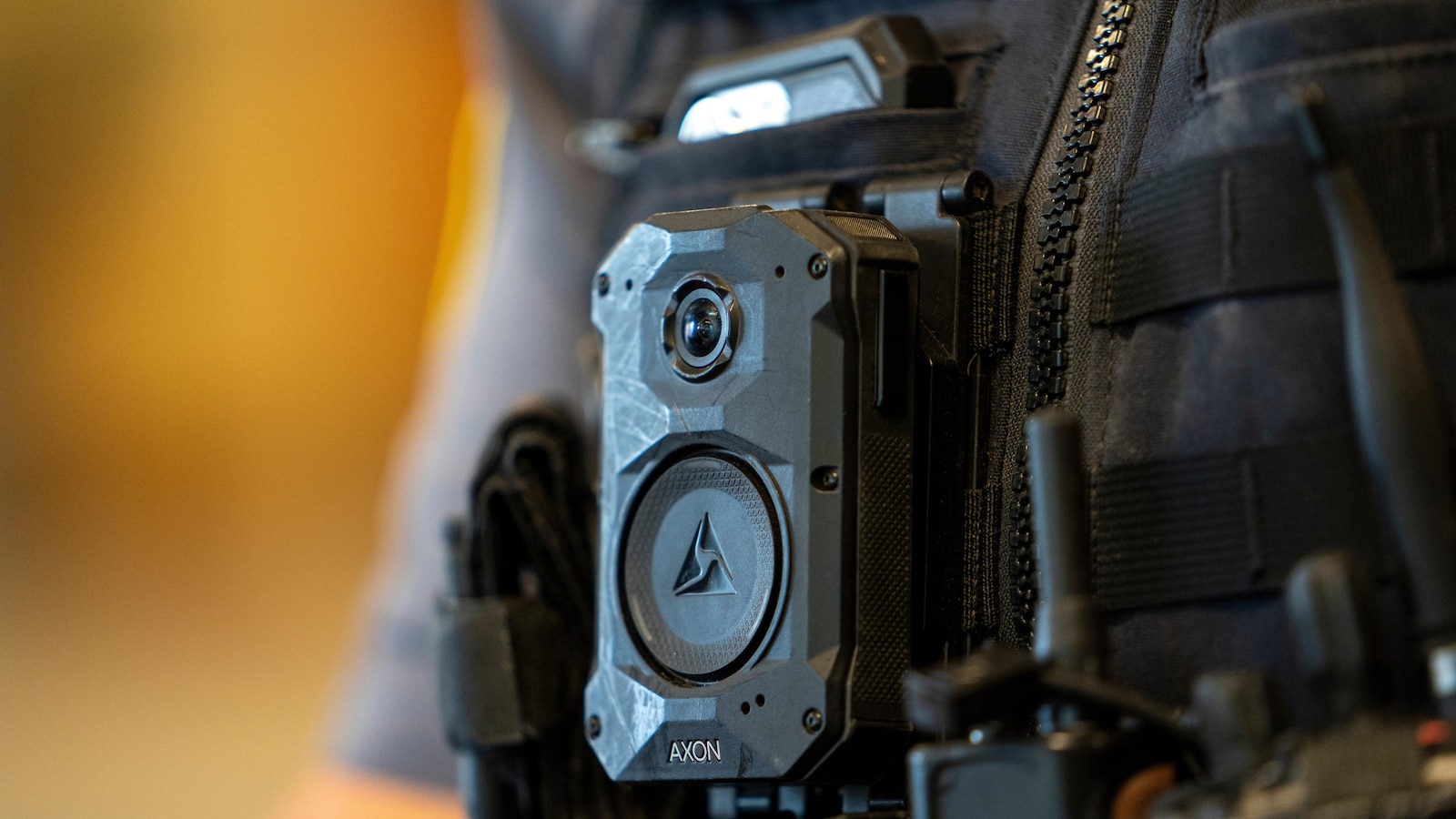
Edmonton police are piloting AI-equipped body cameras with facial recognition to identify high-risk individuals. This Axon program sparks privacy and ethical concerns, with details largely undisclosed.
 ABC News
AI-powered police body cameras, once taboo, get tested on Canadian city's 'watch list' of faces
 Newsmax
AI-powered Police Body Cameras, Once Taboo, Get Tested on Canadian City's 'Watch List' of Faces
NewsmaxAI-powered Police Body Cameras, Once Taboo, Get Tested on Canadian City's 'watch List' of Faces
Overview
Edmonton police are testing AI-equipped body cameras, supplied by Axon, for facial recognition on a watch list of 724 high-risk individuals in a pilot program.
The pilot aims to enhance officer safety by identifying individuals with serious criminal warrants, though the technology's real-time accuracy on video is a known challenge.
The initiative faces significant privacy and ethical backlash, with critics, including a former Axon AI ethics chair, warning about insufficient public debate and expert vetting.
Details of Edmonton's pilot, running until December's end during daylight hours with post-station analysis, remain largely undisclosed, despite a privacy impact assessment submission.
This pilot occurs amidst global debates, with the EU banning real-time public face-scanning and U.S. states limiting police facial recognition due to accuracy and civil liberties concerns.
Analysis
Center-leaning sources frame this story with a strong cautionary tone, emphasizing the ethical dilemmas and societal risks of AI-powered police body cameras. They highlight historical concerns, privacy implications, and potential biases, often presenting the technology as controversial and untested. The narrative prioritizes expert skepticism and public backlash over the stated benefits.