Judge Allows Elon Musk's Lawsuit Against OpenAI to Proceed to Trial
A judge found evidence for Elon Musk's claims that OpenAI's leaders promised a nonprofit mission, allowing his suit alleging profit-driven abandonment to go to trial.



Overview
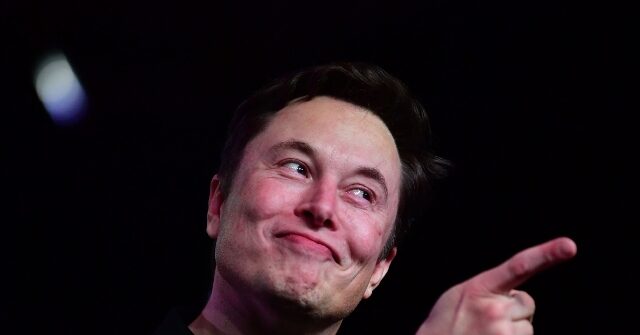
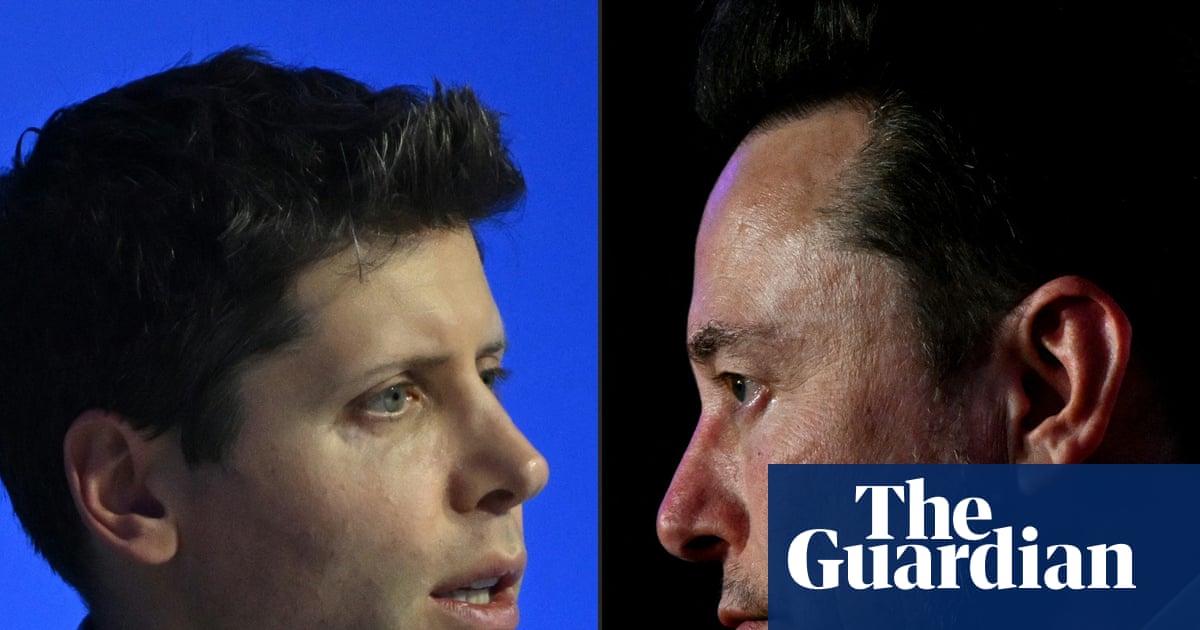
Elon Musk sued OpenAI and its leaders, alleging they abandoned the organization's original nonprofit mission in favor of profit-driven motives.
Judge Yvonne Gonzalez Rogers determined there is sufficient evidence to support Musk's claims and ruled the case may proceed to trial.
Court filings and testimony reportedly show OpenAI's leaders assured stakeholders they would maintain the nonprofit structure, a central allegation in Musk's complaint.
If allowed to succeed at trial, Musk's case could challenge OpenAI's governance decisions and highlight tensions between nonprofit promises and commercial AI development.
The court will set a trial schedule and both parties may pursue discovery, motions, and settlement talks before a possible courtroom decision.
Analysis
Center-leaning sources frame the story by emphasizing the legal and ethical dimensions of Musk's lawsuit against OpenAI. They highlight Musk's claims of betrayal and the shift from nonprofit to for-profit, using terms like "ill-gotten gains" and "harassment" to underscore the conflict. The narrative is structured to present a balanced view, with quotes from both Musk and OpenAI, but the focus on Musk's motivations and the trial's implications suggests a subtle framing of corporate accountability and ethical business practices.