Volvo Unveils EX60 With Up to 400-Mile Range
Volvo's midsize electric SUV offers up to 400 miles, fast 400 kW charging, Google Gemini integration and production starting April 2026.

 CNET
CNETNew Volvo EX60 Might Be the Brand's Most Important EV Yet
 ARS Technica
Here’s Volvo’s new EX60 $60,000 electric midsize SUV

 Gizmodo
Volvoâs EX60 Promises 400-mile Range in a More Competitive EV Climate

 Wired
WiredVolvo’s Electric EX60 SUV Has a 400-Mile Range—and Rethinks the Humble Seat Belt
Overview
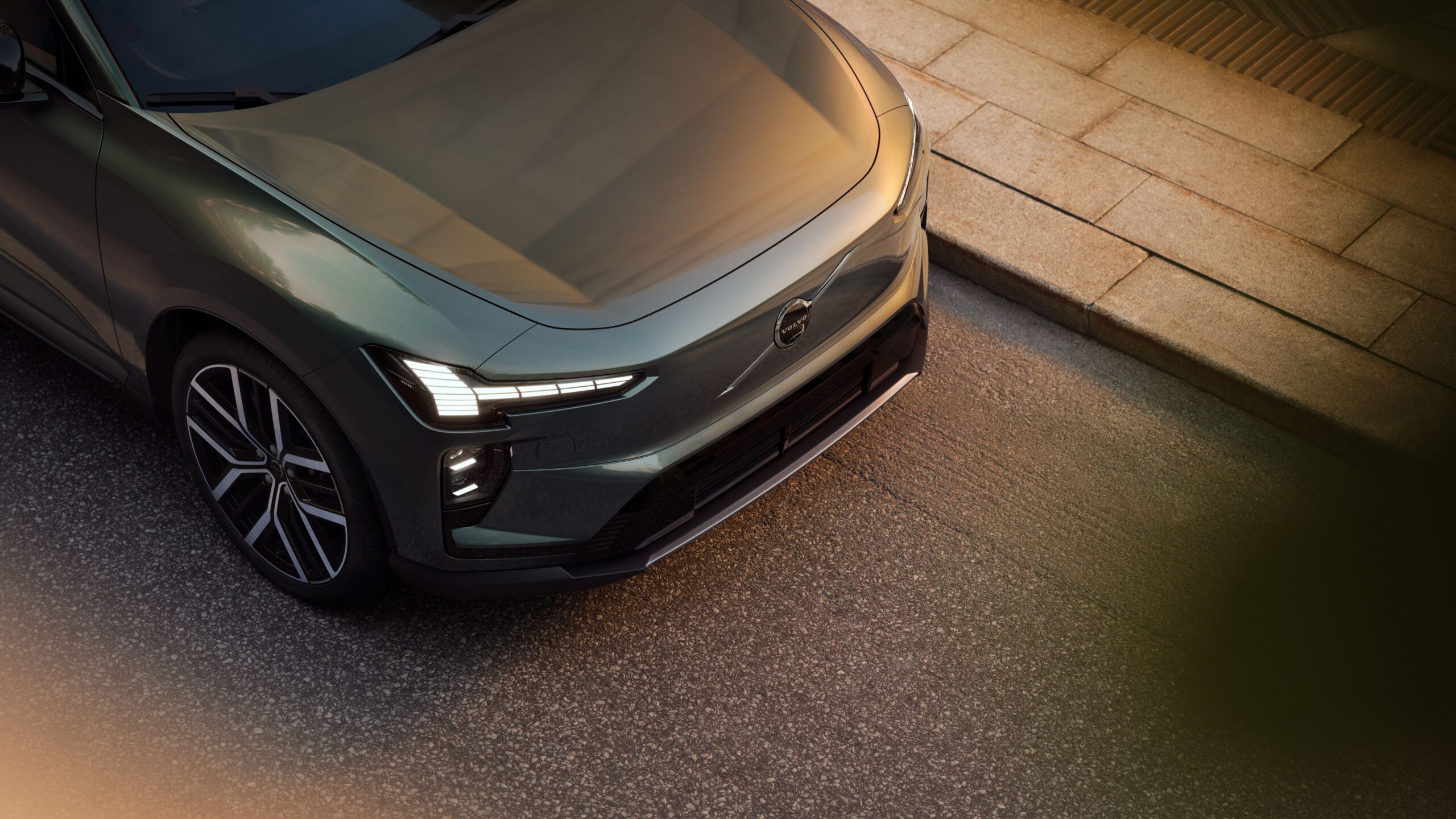
Volvo Cars unveiled the all-new EX60 at a Stockholm event and said production of the P6 and P10 variants will begin in April 2026, with U.S. orders opening in late spring and first customer deliveries expected this summer, the company said.
The EX60 debuts Volvo's new SPA3 platform and manufacturing techniques including megacasting and cell-to-body battery integration and is positioned to replace the combustion-engine XC60 in the midsize segment, a model Volvo says was its all-time best seller.
Volvo Chief Executive Håkan Samuelsson said the EX60 'removes all remaining obstacles for going electric,' and the company emphasized that on-board computing from Qualcomm and Nvidia plus Google Gemini will deliver a faster, more integrated infotainment and driver-assistance experience, the company said.
Company specifications show the EX60 will be offered in three powertrains: the P6 single-motor with 369 hp and an 80 kWh usable battery for an EPA-estimated 310 miles, the P10 AWD with 503 hp and a 91 kWh net battery for 320 miles, and the P12 AWD with 670 hp and a 112 kWh usable battery targeting up to 400 miles, with peak DC charging rates up to 370–400 kW depending on variant.
Volvo said a 'well-equipped' EX60 P10 AWD Plus will cost around $60,000, the EX60 Cross Country and P12 will join the lineup later in 2026, and the vehicle will be the first Volvo in North America with a native NACS port for access to more than 25,000 Tesla Superchargers, the company said.
Analysis
Center-leaning sources present this coverage neutrally, focusing on factual product details, credited claims (e.g., Volvo's 400‑mile figure), and concrete context like past software problems and EPA pending estimates. Language is mildly promotional at times but balanced by cited criticisms and technical specifics, so editorial choices don't push a clear advocacy narrative.