Meta and YouTube Face Bellwether Trial Over Alleged Social Media Addiction to Youth
Jury selection begins Jan. 30, 2024, in Los Angeles for a case alleging Instagram, YouTube and TikTok engineered features to addict children, documents show.
 ARS Technica
“IG is a drug”: Internal messages may doom Meta at social media addiction trial

 Rolling Stone
TikTok Settles Landmark Social Media Addiction Trial

 USA TODAY
TikTok settles social media addiction lawsuit ahead of trial

 CBS News
Meta, TikTok, YouTube head to trial over allegations their technology is addictive
Overview
Jury selection began Jan. 30, 2024, in Los Angeles County Superior Court for a bellwether case brought by 19-year-old plaintiff K.G.M. alleging Instagram, YouTube and TikTok deliberately designed features like infinite scroll and autoplay to addict her and other youths, court documents show.
The case matters because more than 1,000 consolidated lawsuits, including roughly 350 families and 250 school districts, hinge on whether platform design features were a substantial factor in causing depression, anxiety, self-harm and suicidality, plaintiffs' counsel said in filings.
Meta and Google have strongly disputed the allegations, with Meta saying the lawsuits "misportray our company" and José Castañeda, a Google spokesperson, saying the claims are "simply not true," according to court filings and company statements.
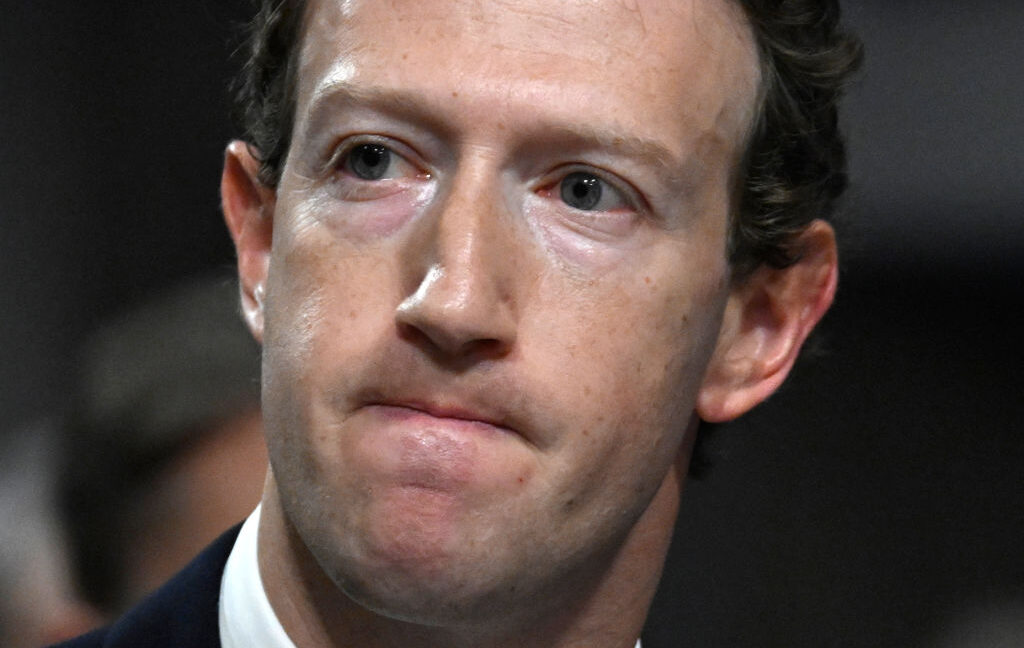
Two defendants, TikTok and Snap Inc., reached confidential settlements before the trial began, while Meta and YouTube remain defendants and face potential testimony from Meta CEO Mark Zuckerberg and other executives, filings show.
The trial is expected to last six to eight weeks and could unseal internal documents and influence separate federal litigation scheduled to begin in June, while experts and the judge noted contested issues of causation that a jury must resolve, court records show.
Analysis
Center-leaning sources frame the trial as a consequential, bellwether legal test that pits plaintiffs' allegations of deliberately 'addictive' design against tech defenses, using evocative comparisons to Big Tobacco, prominent plaintiff quotations and attention to internal documents, while including company denials and skeptical experts to signal balance.