Norwegian Polar Institute Finds Svalbard Bears Fatter Despite Ice Loss
Study of 770 polar bears from 1992 to 2019 finds improved body condition even as Svalbard's sea ice season shortened by more than two months.



Overview
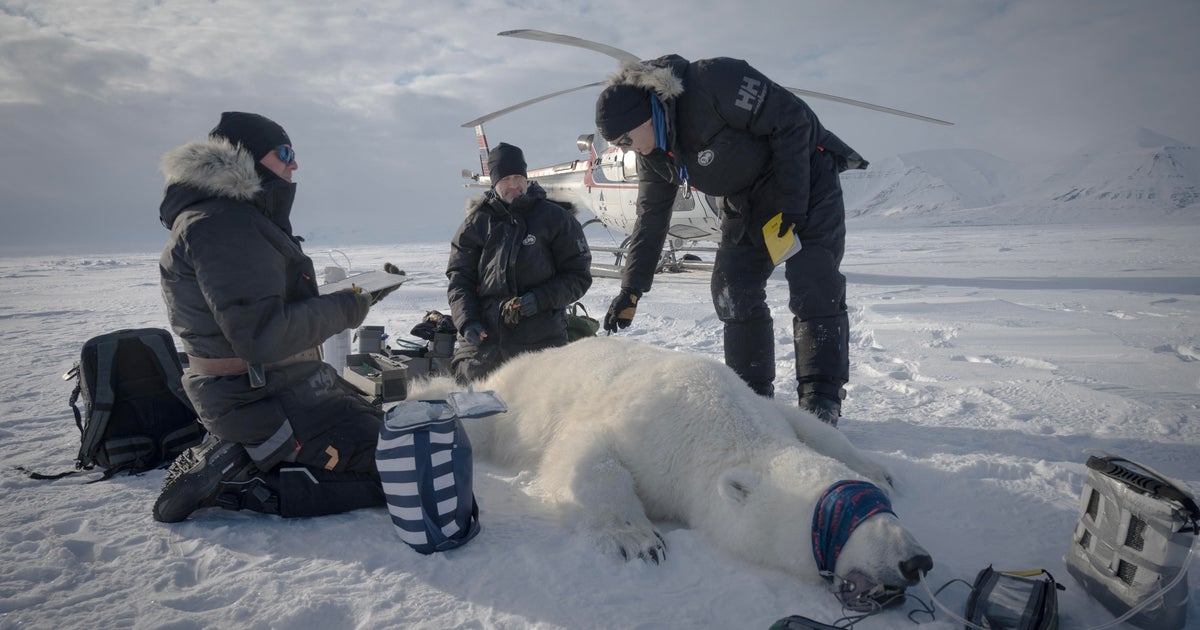
Jon Aars of the Norwegian Polar Institute led a study of 770 polar bears from 1992 to 2019 that found improved body condition despite reduced sea ice, the study published in Scientific Reports said.
The Barents Sea region around Svalbard lost more than two months of its annual sea ice season by 2019, shortening hunting platforms for seals and altering predator-prey dynamics, the authors said.
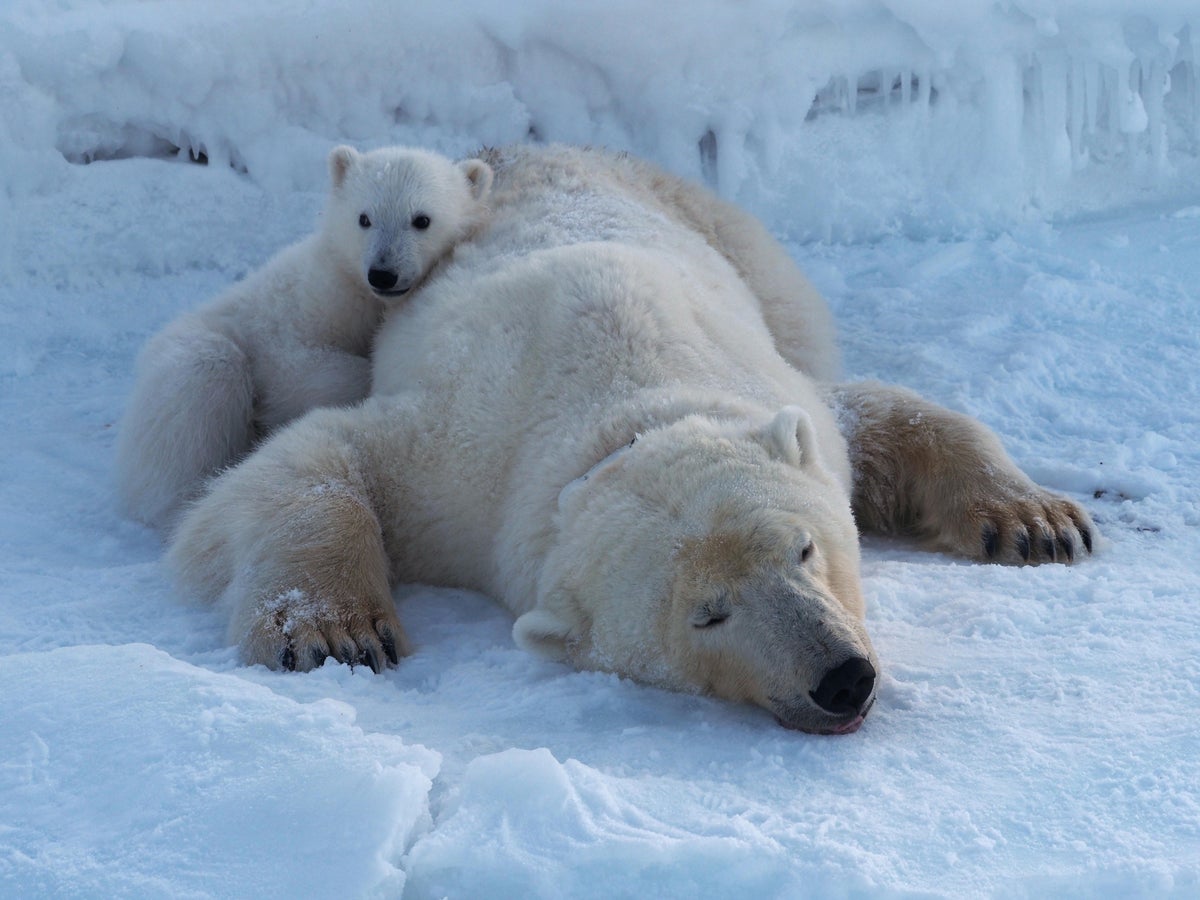
Jon Aars told CBS News, 'A fat bear is a healthy bear,' and Lori Quakenbush cautioned other studies link more ice-free days to lower cub and older-female survival.
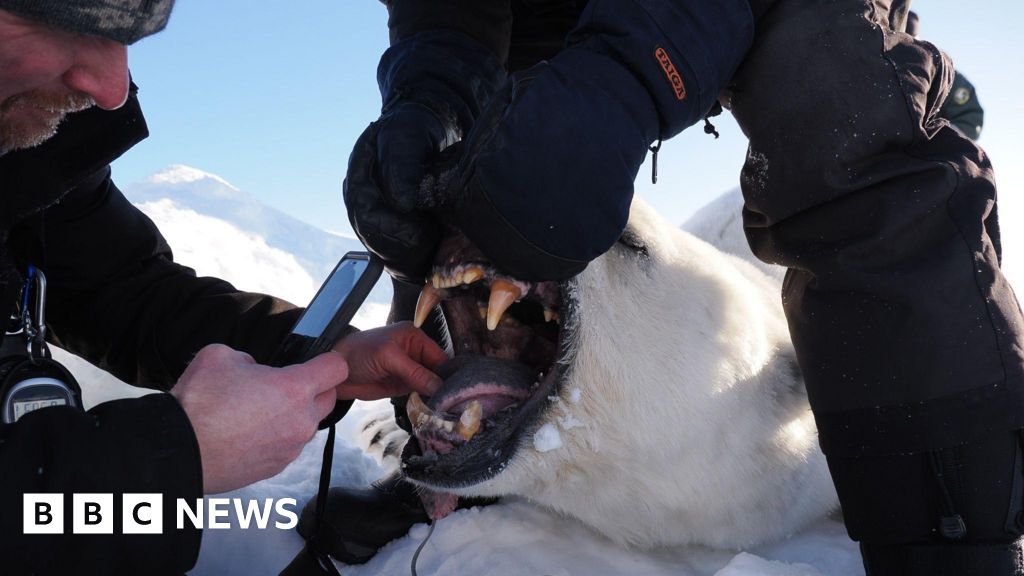
Researchers made more than 1,000 body measurements from 770 individual bears and tracked seasonal habitat shifts, while some bears spent up to 90% of their time on land, the paper said.
The authors called for continued monitoring and cautioned that if current warming trends continue the apparent Svalbard gains could reverse over coming decades, the paper concluded.
Analysis
Center-leaning sources present this story neutrally, pairing the surprising finding (fatter polar bears) with balanced context—walrus and reindeer recoveries, past hunting protections, and studies showing reduced cub survival after more ice-free days. Language remains descriptive, quotes are attributed to scientists and charities, and alternative explanations are included.