Global Plastic Pollution Treaty Negotiations Collapse in Geneva
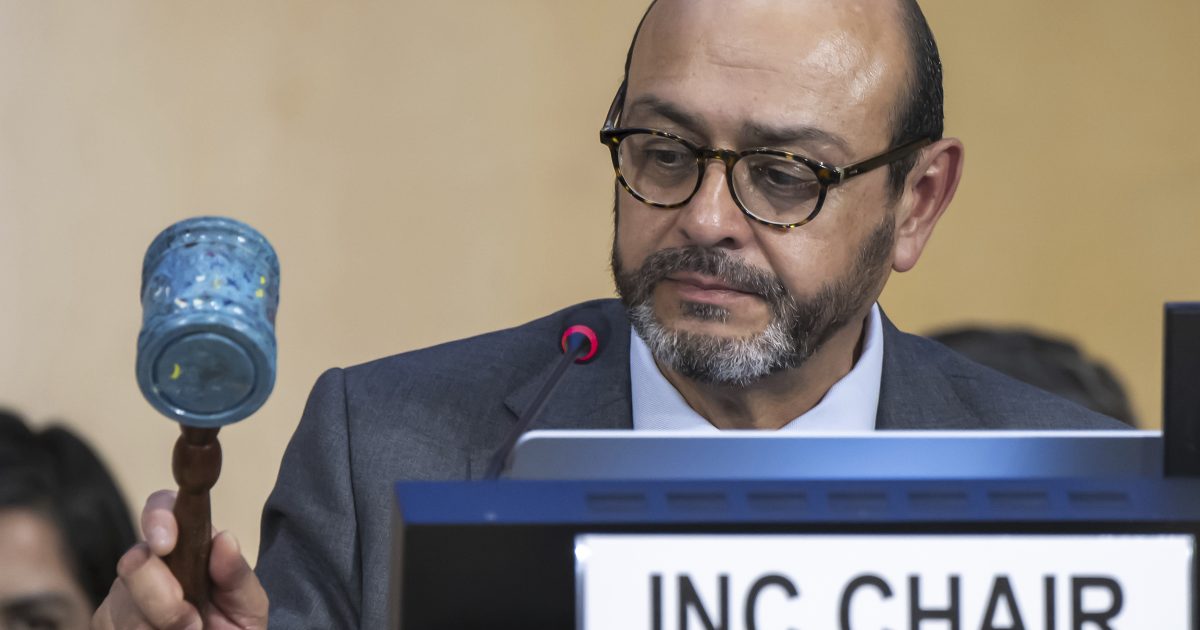
Efforts to establish a legally binding global plastic pollution treaty failed in Geneva after 11 days of negotiations, leaving the world with limited options to address the escalating crisis.



Overview
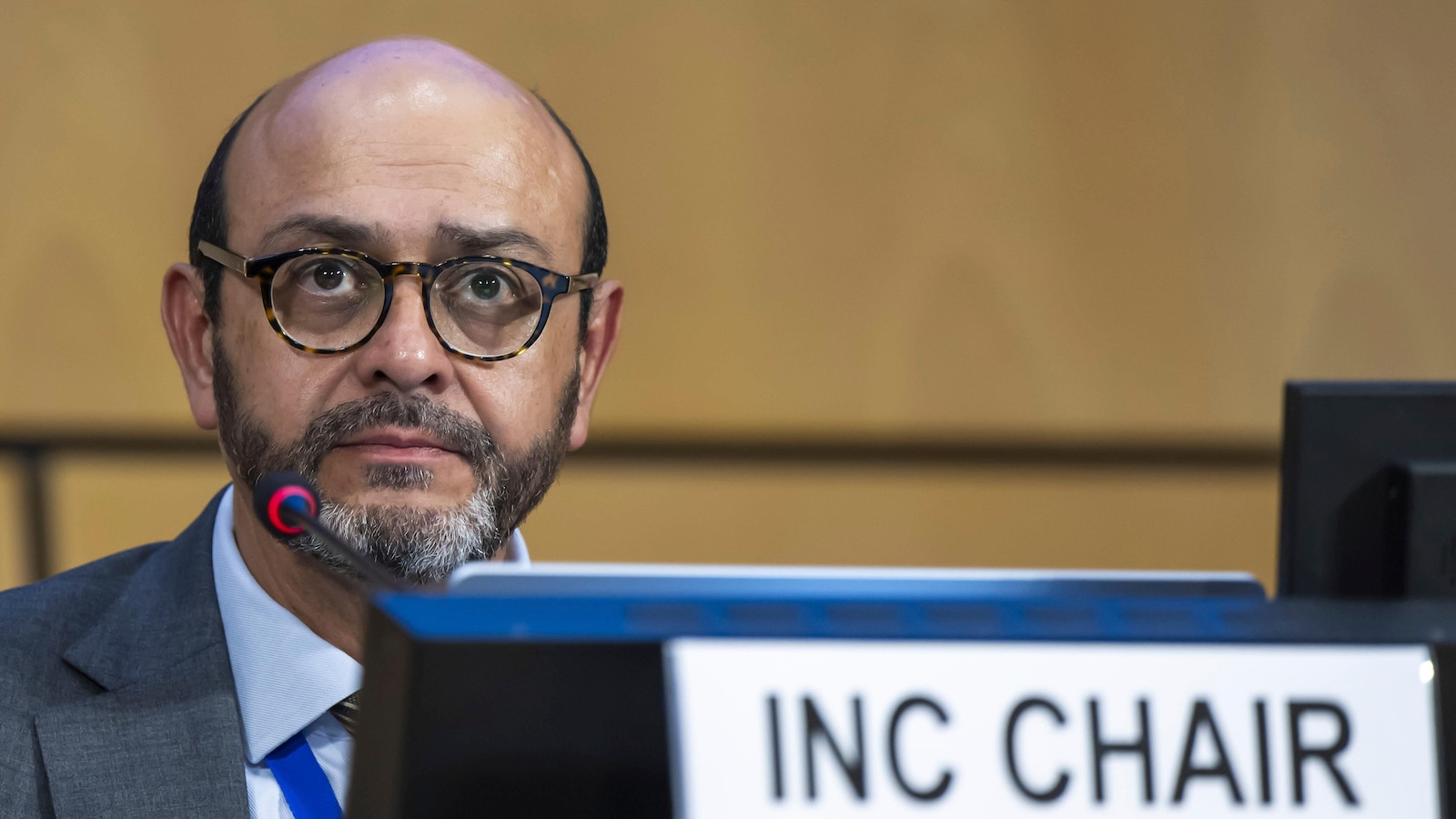
Negotiations for the first legally binding global plastic pollution treaty concluded in Geneva without an agreement, leaving the world with limited options to address the growing crisis.
Delegates from approximately 100 countries sought to restrict plastic production, but the talks failed to produce a major treaty, with no immediate plans for resumption.
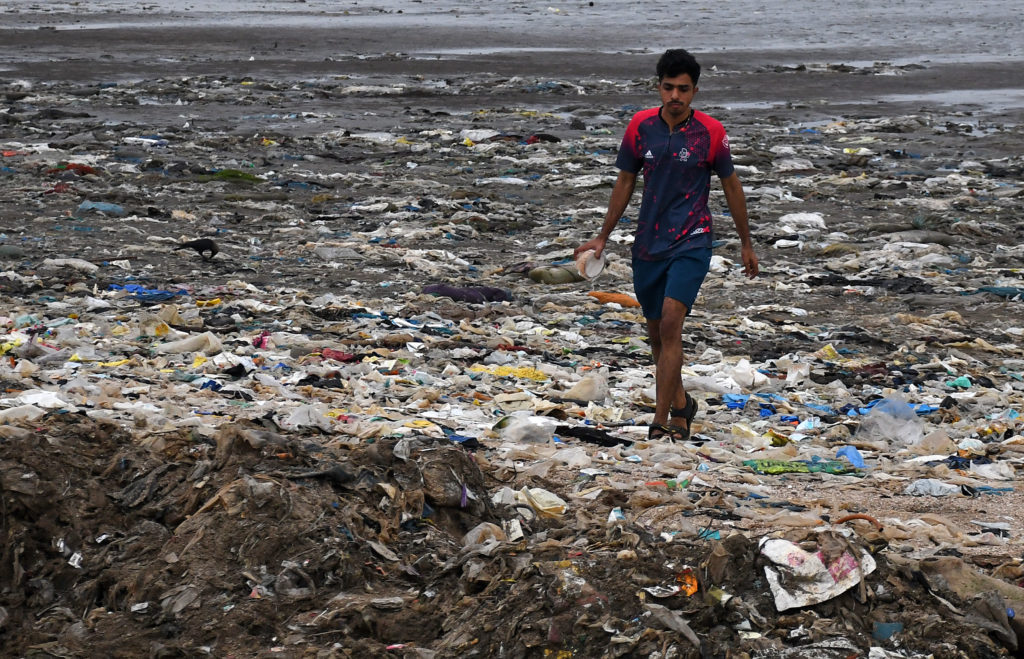
The world currently produces over 400 million tons of new plastic annually, a figure projected to increase by 70% by 2040 without significant policy changes.
The influence of the United States and oil-producing nations like Saudi Arabia, coupled with the requirement for unanimous agreement, prevented a consensus on limiting plastic production.
Representatives from nations including Norway, Australia, and Tuvalu expressed deep disappointment over the failed negotiations, highlighting the ongoing challenge of the global pollution crisis.
Analysis
Center-leaning sources frame the failed plastics negotiations as a significant setback with devastating consequences, primarily due to the opposition of the U.S. and oil-producing nations to production limits. They emphasize the disappointment of environmental groups and many countries, highlighting the urgent need for a legally binding treaty to curb plastic growth, rather than just managing waste.