Bolivia Heads to Historic Presidential Runoff Amid Political Shift and Economic Strain
Bolivia's presidential election enters a historic runoff, the first in decades, between centrist Sen. Rodrigo Paz and right-wing former President Jorge Quiroga, signaling a major political shift.
 Associated Press
What to know about Bolivia's election that elevated a centrist shaking up the political landscape

 The Spectator World
Socialism ends in Bolivia after two decades
 Newsmax
What to Know about Bolivia's Election That Elevated a Centrist Shaking up the Political Landscape
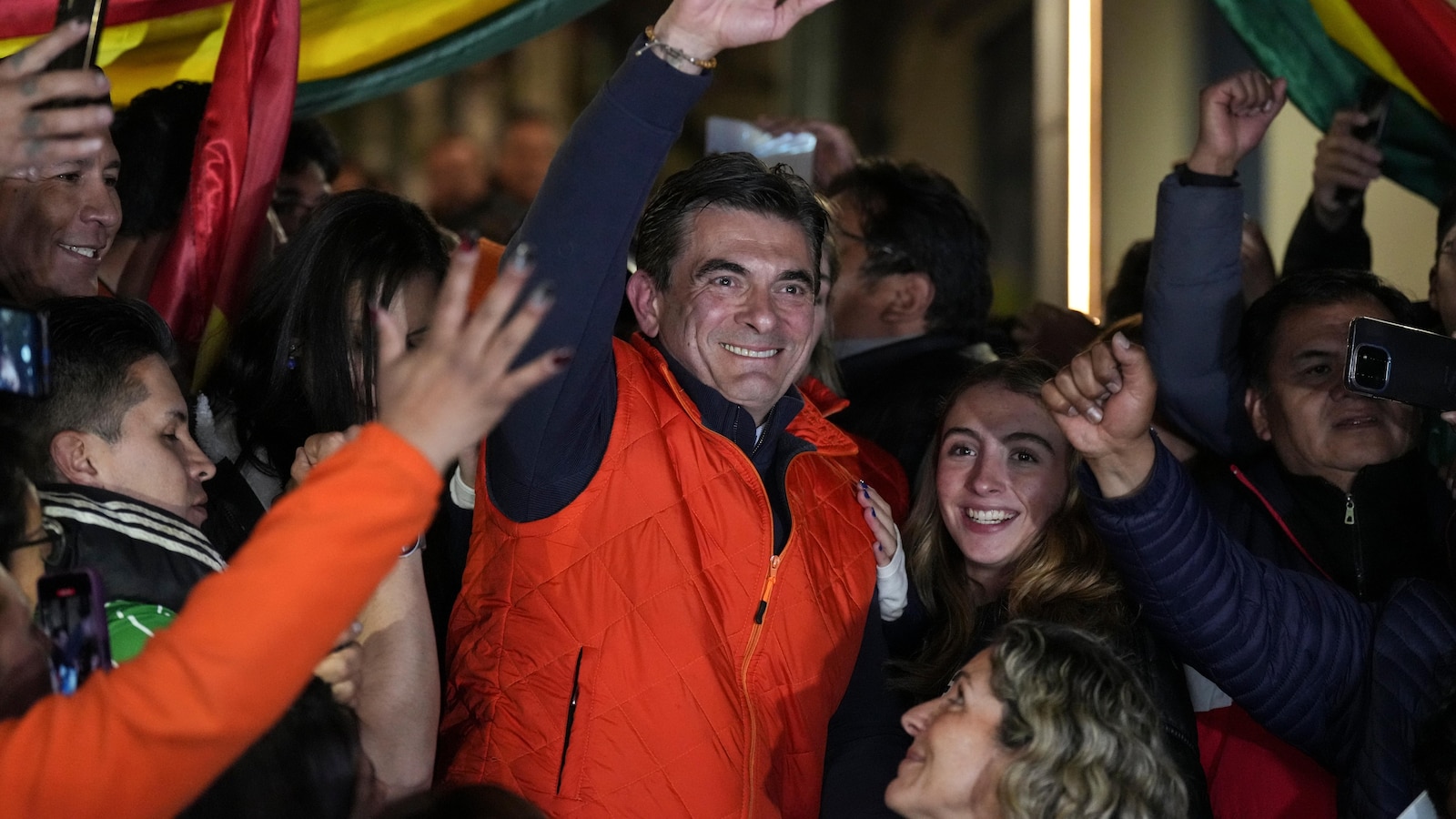
 ABC News
Bolivia heads to a runoff after an election ends 2 decades of ruling party dominance
Overview
Bolivia's presidential election is set for a historic runoff, the first in decades, marking a significant departure from the long-standing dominance of left-wing political parties.
Centrist Sen. Rodrigo Paz (32.8%) will face right-wing former President Jorge Quiroga in the runoff, as neither secured an outright victory in the initial vote.
The election results delivered a major blow to Bolivia's long-standing MAS party, signaling a clear shift towards empowering centrist and right-wing political forces.
An unusually high 19% of votes were deemed invalid, a significant departure from historical averages in Bolivian elections, raising questions about the process.
This political transition coincides with a sharp rise in Bolivia's annual inflation, surging from 2% to over 16% in under two years, adding economic pressure.
Analysis
Center-leaning sources frame this story as a significant political paradigm shift in Bolivia, driven by the MAS party's economic failures and public disillusionment. They portray centrist Rodrigo Paz as a pragmatic, appealing alternative, emphasizing his moderate stance and popular running mate. In contrast, right-wing Jorge Quiroga is depicted with more extreme language, highlighting his "scorched-earth approach" and perceived disconnect from ordinary Bolivians.