Spain and Portugal Battle Destructive Wildfires Amid Arson Arrests and Climate Concerns
Spain and Portugal are grappling with severe wildfires, fueled by climate change and human activity, leading to significant land devastation, multiple deaths, and numerous arrests for suspected arson.

 Al Jazeera
Spain battles major fires even as heatwave eases with lower temperatures

 NPR
NPRSpain battles record wildfires even as the end of a heat wave brings lower temperatures
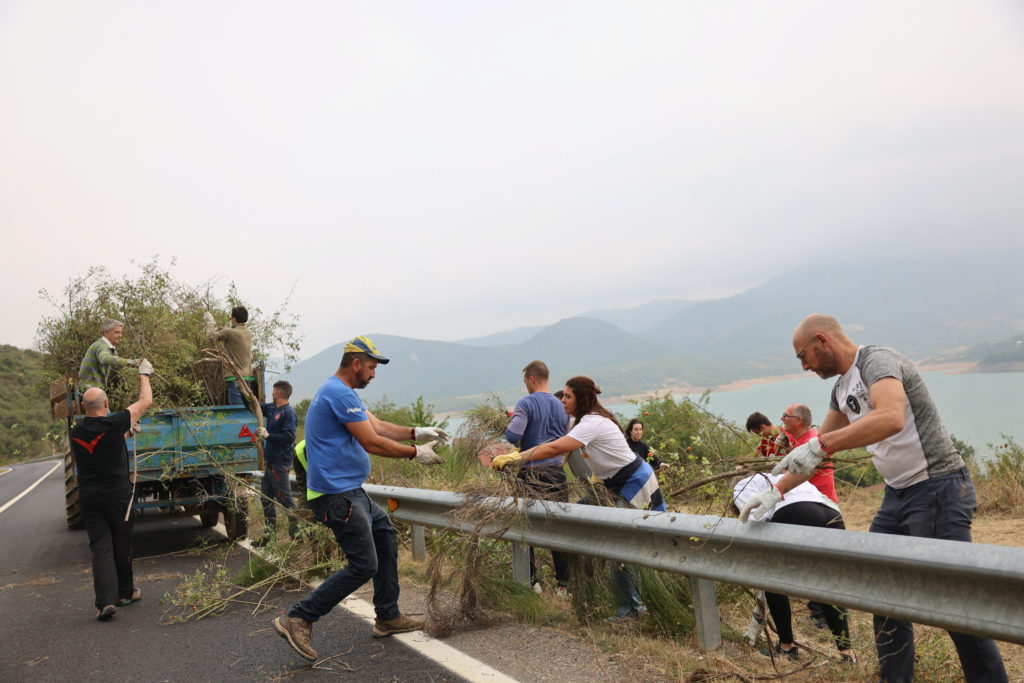
 PBS NewsHour
Spain battles record fires even as end of heat wave brings lower temperatures
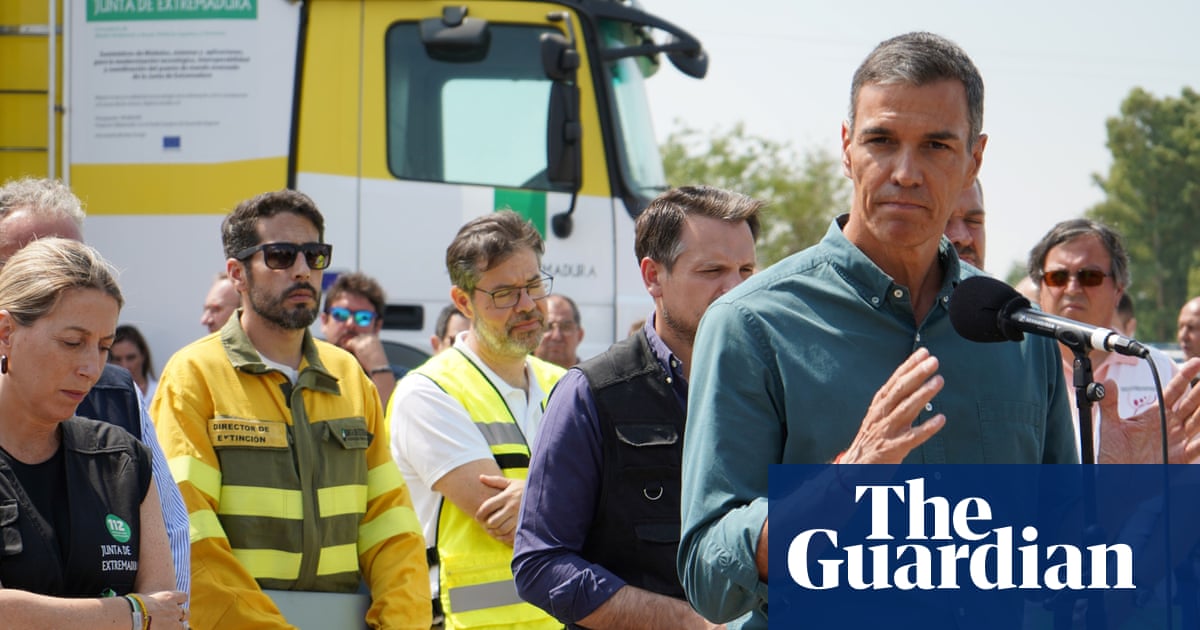
 The Guardian
Deadly wildfires show Spain must better prepare for climate crises, says Sánchez
Overview
Spain and Portugal are experiencing one of their most destructive fire seasons, with over 617,000 hectares burned and at least six deaths reported across both nations.
Thousands of firefighters, including German units, are actively combating persistent blazes in regions like Galicia and Extremadura in Spain, and northern/central Portugal.
Spanish authorities have detained 23 people for suspected arson and are investigating 89 more, with a total of 32 arrests since June 1 related to the fires.
Climate change, causing increased heat and dryness, is exacerbating wildfire risks in Europe, which is warming at twice the global average rate since the 1980s.
Factors like human activity, unmanaged vegetation, and depopulated villages contribute to the severity of fires, prompting Spanish Prime Minister Pedro Sánchez to visit affected areas.
Analysis
Center-leaning sources cover the Spanish wildfires neutrally, presenting a balanced view of contributing factors without emphasizing one cause over others. They report on the immediate impact, the role of climate change, land management issues, and human activity, allowing readers to form their own conclusions based on comprehensive information.