Ukraine Targets Russian Oil Infrastructure, Driving Up Gas Prices Amid Ongoing Conflict and Peace Proposal Stalemate
Ukraine's long-range attacks on Russian oil infrastructure, including the Druzhba pipeline, have caused record wholesale gasoline price surges in Russia, complicating peace negotiations as the conflict continues.



Overview
Formal peace negotiations between Russia and Ukraine face significant hurdles, with Russia continuing attacks and rejecting key Ukrainian demands, indicating a prolonged conflict.
Ukraine is actively countering Russia by deploying long-range weapons to target critical infrastructure, aiming to disrupt Moscow's war efforts and economic stability.
Ukrainian forces specifically targeted the Druzhba oil pipeline's Unecha station in Russia's Bryansk region, leading to record-high wholesale gasoline prices in Russia.
The Druzhba pipeline is vital, transporting Russian oil through Belarus and Ukraine to Slovakia and Hungary, supplying over half of Hungary's crude oil needs.
Hungary, led by Prime Minister Viktor Orb\u00e1n, maintains a stance against Kyiv and EU allies, continuing to import Russian oil despite EU sanctions that led 25 other countries to cease purchases.
Analysis
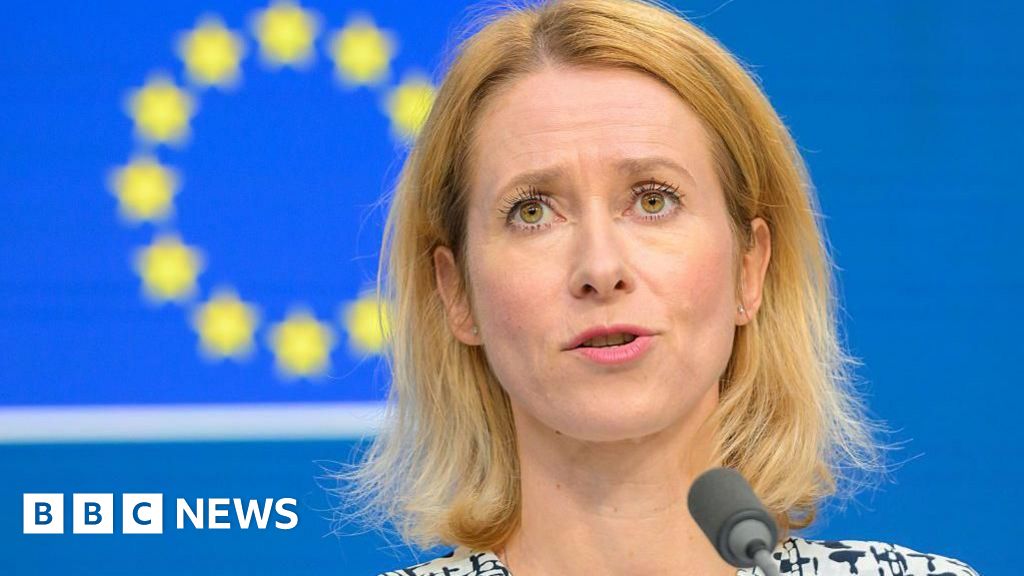
Center-leaning sources frame the story by emphasizing the European Union's critical perspective on Russia's peace demands, portraying them as a "trap." They prioritize the viewpoint of the EU's foreign policy chief, Kaja Kallas, who strongly condemns Russia's actions and intentions. This approach shapes a narrative where Russia is seen as insincere in peace efforts, while Ukraine's counter-attacks are presented as a response to ongoing aggression.