European Powers Trigger UN Sanctions on Iran Amid Escalating Nuclear Violations
France, Germany, and the UK triggered UN sanctions on Iran for violating the 2015 nuclear deal and reducing IAEA cooperation. This opens a 30-day diplomatic window to address Iran's uranium enrichment.
 Washington Free Beacon
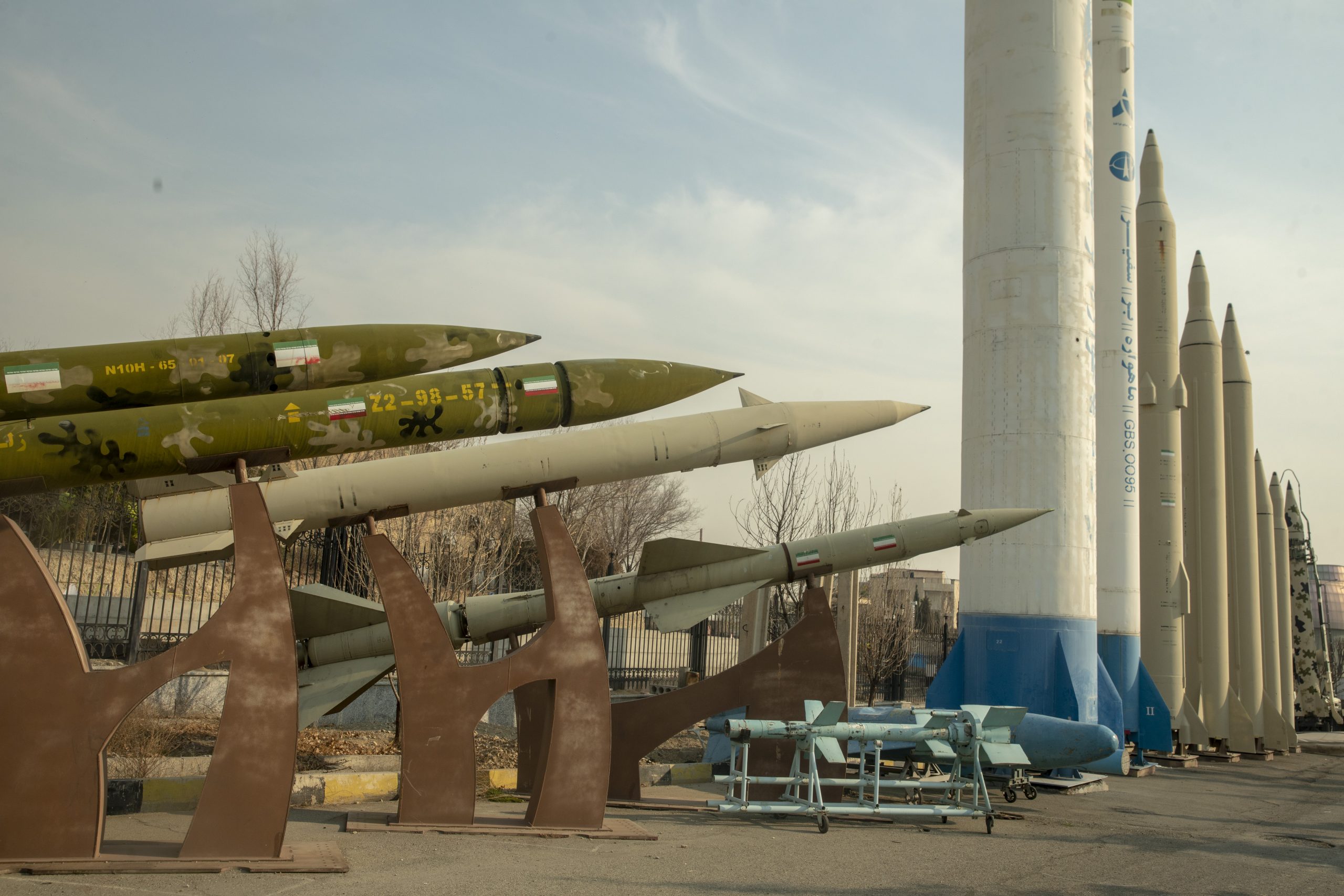
Iranian Officials Lash Out As European Leaders Reimpose UN Sanctions: ‘Our Missiles Reach Not Only France but Also Germany’
 NBC News
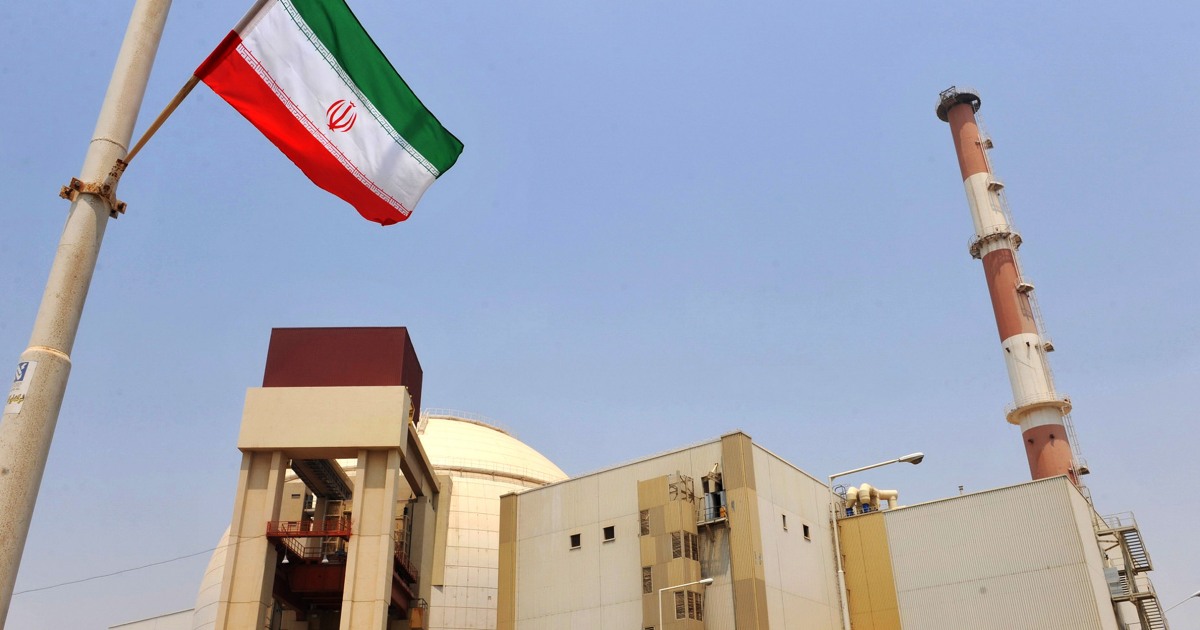
Iran is facing a return of U.N. sanctions — what happens now?
 New York Sun
European Nations Start Countdown Clock on ‘Snapback’ Provisions, Renewed Sanctions on Iran

 Washington Examiner
European powers hit Iran with pre-2015 sanctions as pressure for nuclear negotiations
Overview
France, Germany, and the UK initiated UN sanctions against Iran, citing its non-compliance with the 2015 nuclear deal and reduced cooperation with the International Atomic Energy Agency.
Iran has progressively violated the agreement since the 2018 US withdrawal, enriching uranium to 60% purity, accumulating enough for multiple atomic bombs.
The reimposed sanctions will freeze Iranian assets, halt arms deals, and penalize missile development, further exacerbating Iran's struggling economy and devalued currency.
A 30-day diplomatic window is now open for Tehran to negotiate with the US and grant IAEA access to its nuclear sites, potentially delaying full re-imposition of measures.
The snapback mechanism's expiration on October 18 and potential vetoes from China and Russia on future UN sanctions underscore the urgency of Europe's immediate actions.
Analysis
Center-leaning sources cover the complex Iran sanctions story by adopting a neutral, explanatory approach. They detail the mechanics of the 2015 nuclear deal and the "snapback" process, presenting the positions of all key international actors. The coverage avoids loaded language and prioritizes factual reporting, allowing readers to understand the multifaceted diplomatic situation.