Ecuador Grapples with Escalating Drug Violence as International Cartels Exploit Banana Trade
Ecuador faces escalating drug violence, fueled by international cartels exploiting its banana exports and weak laws. Local gangs, shifting coca fields, and U.S. intervention efforts define the complex crisis.



Overview
Ecuadorian gangs Los Lobos and Los Choneros are blamed for a surge in post-COVID-19 violence, driven by drug traffickers exploiting the country's key banana industry.
International cartels from Mexico, Colombia, and the Balkans exploit Ecuador's weak laws and dollar economy, collaborating with local gangs to smuggle drugs via maritime shipping containers.
The country's role in the global cocaine trade increased after Colombia's FARC demobilization, shifting coca bush fields towards Ecuador's border and fragmenting criminal groups.
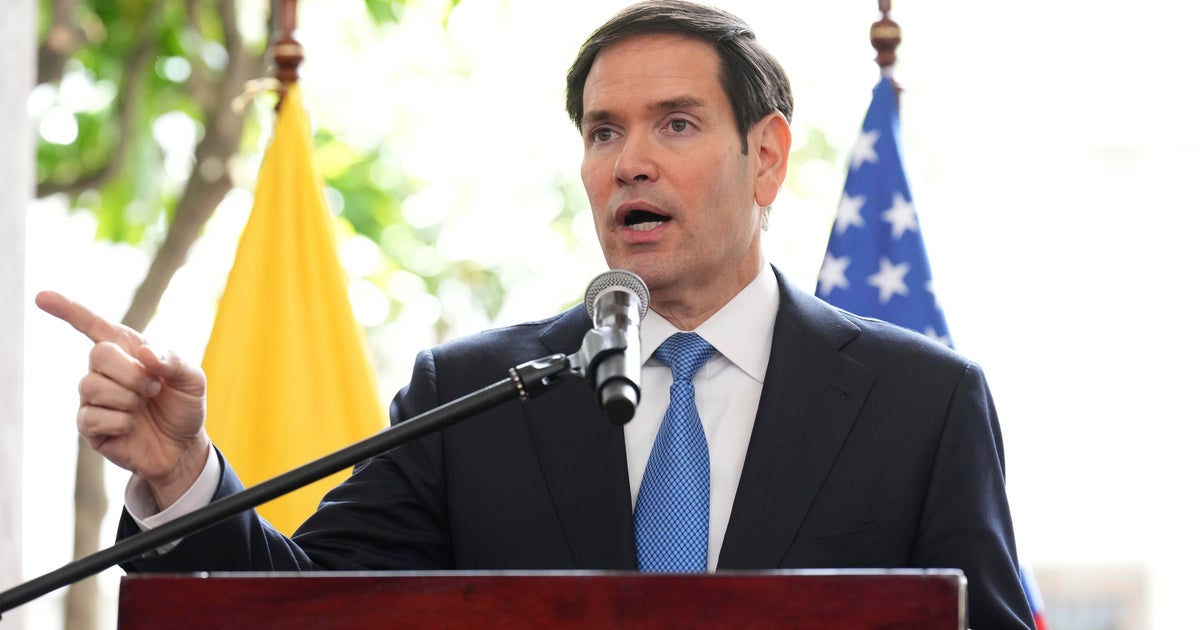
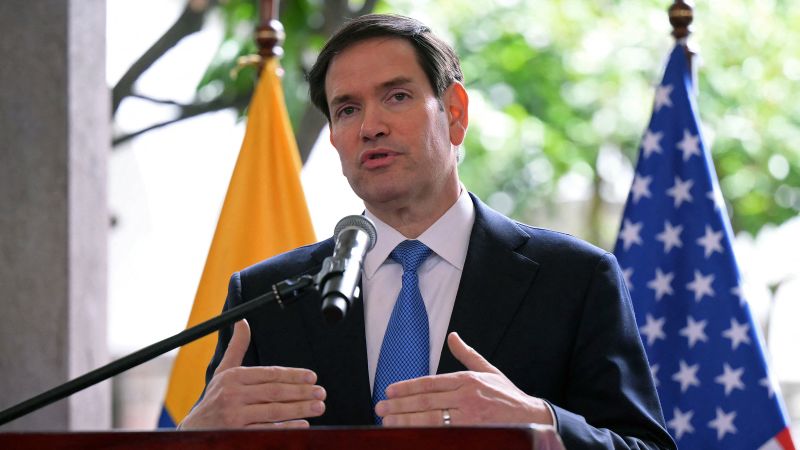
U.S. officials, including Senator Rubio, are engaging with Ecuador amidst a U.S. military strike on a Venezuelan drug-running ship and discussions about deporting non-Ecuadorian migrants.
In a significant move against the drug trade, Ecuador extradited Los Choneros leader Jos Adolfo Mac as Villamar to the U.S. in July on drug trafficking and firearms charges.
Analysis
Center-leaning sources frame this story by emphasizing the U.S. government's assertive and escalating actions against "narco-terrorist organizations" as a necessary response to a severe and growing threat. They highlight U.S. officials' justifications for aggressive tactics, such as the military strike, and provide extensive background on the gangs' violence, while presenting regional concerns about U.S. intervention with less detail.