U.S. Intensifies Efforts Against Wrongful Detention of Americans Abroad with New Sanctions and Blacklists
The U.S. combats wrongful detention of Americans abroad using executive orders, blacklists, and sanctions. These measures deter nations, while prisoner swaps successfully repatriate citizens.
 NBC News
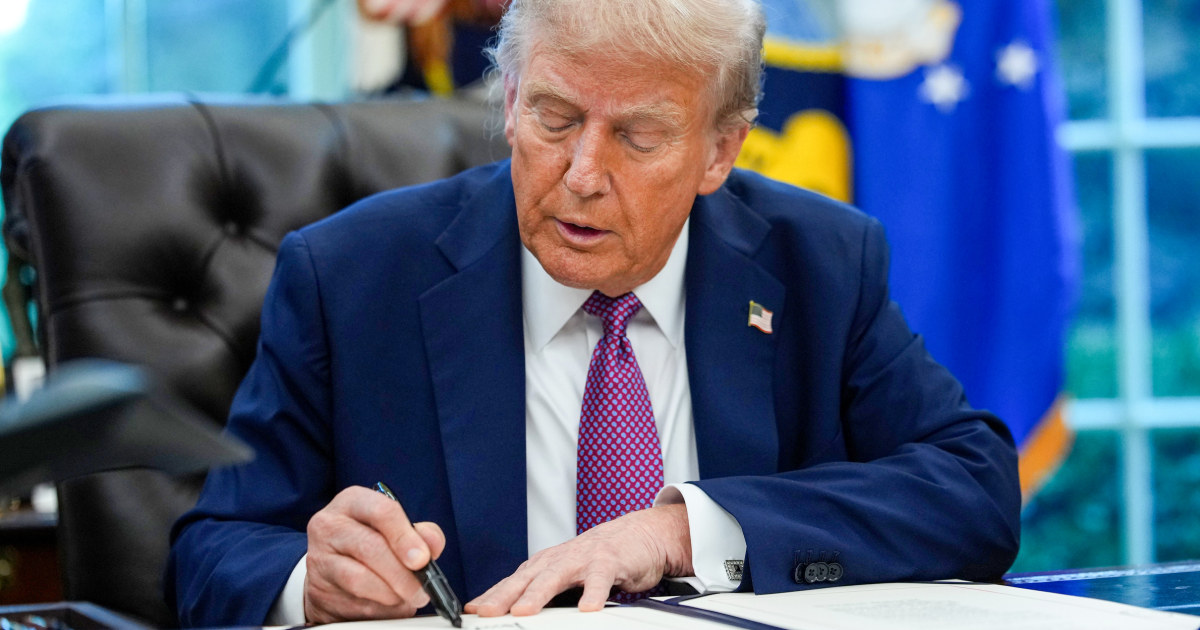
Trump signs executive order to blacklist countries that illegally detain Americans
 Associated Press
Trump signs order to designate nations that hold Americans as sponsors of wrongful detention
 CNN
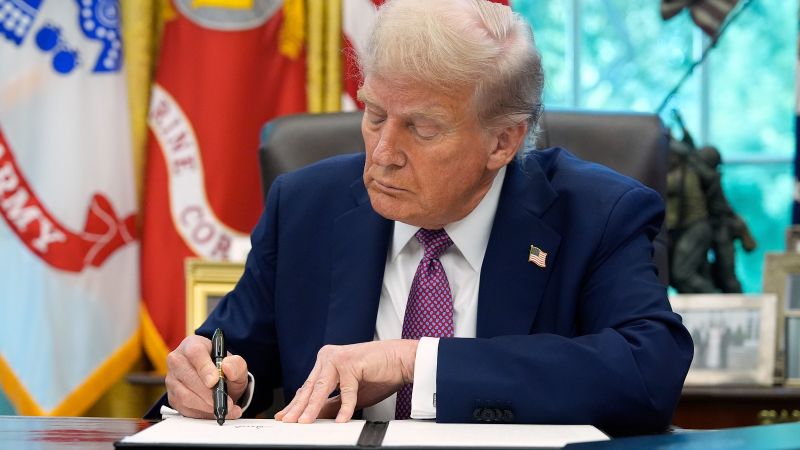
CNNTrump signs executive order creating ‘state sponsor of wrongful detention’ designation | Politics
 Newsmax
Trump Signs Order to Designate Nations That Hold Americans as Sponsors of Wrongful Detention
NewsmaxTrump to Blacklist Countries for Imprisoning Americans
Overview
President Trump and President Biden issued executive orders to combat the wrongful detention of Americans overseas, aiming to deter such actions through new designations and potential sanctions.
The U.S. designates countries for wrongful detention, imposing sanctions, export controls, and entry bans on involved officials. The State Department may also restrict U.S. citizen travel to these blacklisted nations.
North Korea faced a travel ban after Otto Warmbier's death, and the U.S. may impose penalties on nations like China, Afghanistan, Iran, and Russia under these new designations.
Both the Trump and Biden administrations have successfully repatriated numerous Americans through prisoner swaps, including 72 under Trump and recent exchanges with Russia and Venezuela.
Penalties can be lifted if designated nations alter their practices, as seen with China's release of detainees after eased travel warnings, demonstrating a pathway for compliance.
Analysis
Center-leaning sources frame this story by exclusively highlighting the administration's perspective and the perceived benefits of the executive order. They emphasize the order's intent to deter "wrongful detention" and "hostage diplomacy," while omitting any critical analysis or alternative viewpoints regarding its potential diplomatic repercussions or effectiveness. This creates a narrative of decisive and successful action.