U.S. Boosts Military Presence in Puerto Rico for Caribbean Anti-Drug Operations Amid Local Opposition and Historical Concerns
The U.S. is deploying F-35 jets and Marines to Puerto Rico for anti-drug operations against Caribbean cartels. This sparks local protests, recalling past military controversies.

 Boston Herald
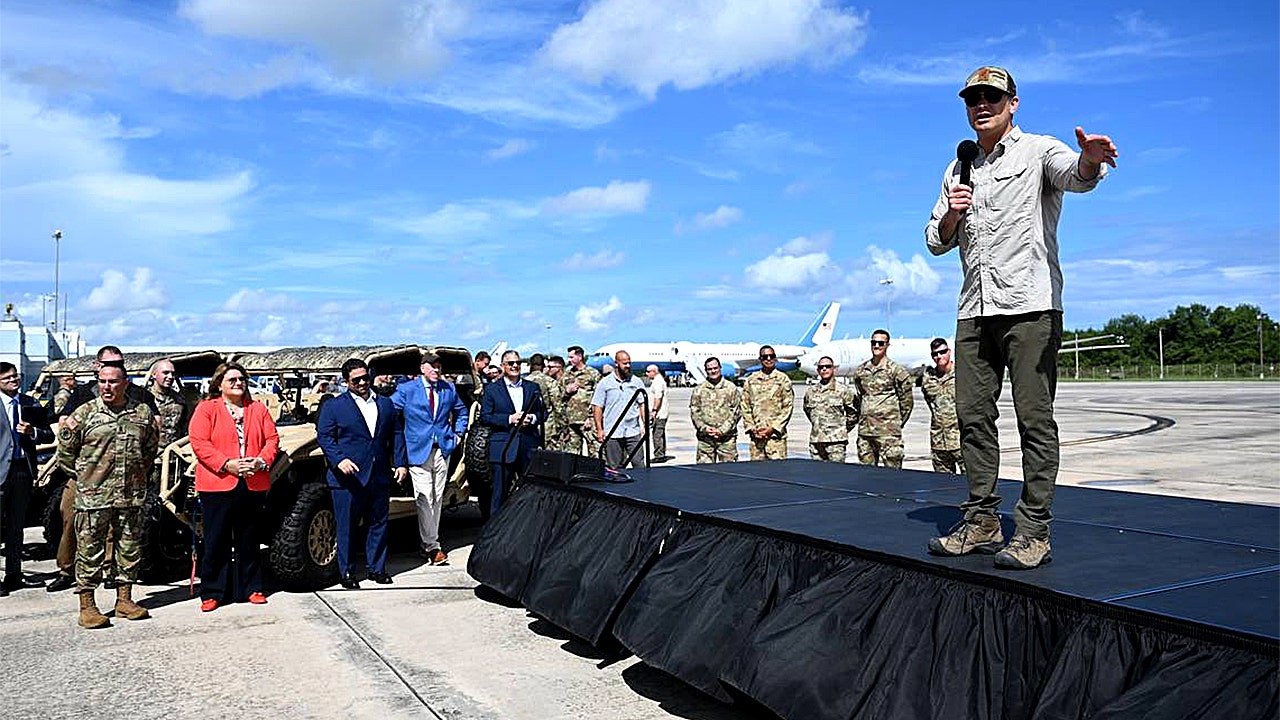
Hegseth and Caine visit Puerto Rico as US steps up military operations in the Caribbean
 FOX News
Secretary of War Hegseth lands in Puerto Rico as US ramps up Caribbean cartel fight with naval forces
 PBS NewsHour
Hegseth visits Puerto Rico as U.S. steps up military operations in the Caribbean

 USA TODAY
Hegseth and top general secretly visit Puerto Rico as Venezuela tensions simmer
Overview
U.S. Defense Secretary and Joint Chiefs Chairman visited Puerto Rico to enhance military operations against Caribbean drug cartels, emphasizing the island's strategic role in anti-drug efforts.
The U.S. plans to deploy 10 F-35 fighter jets and Marines for amphibious training in southern Puerto Rico, aiming to combat drug trafficking, particularly from Venezuela.
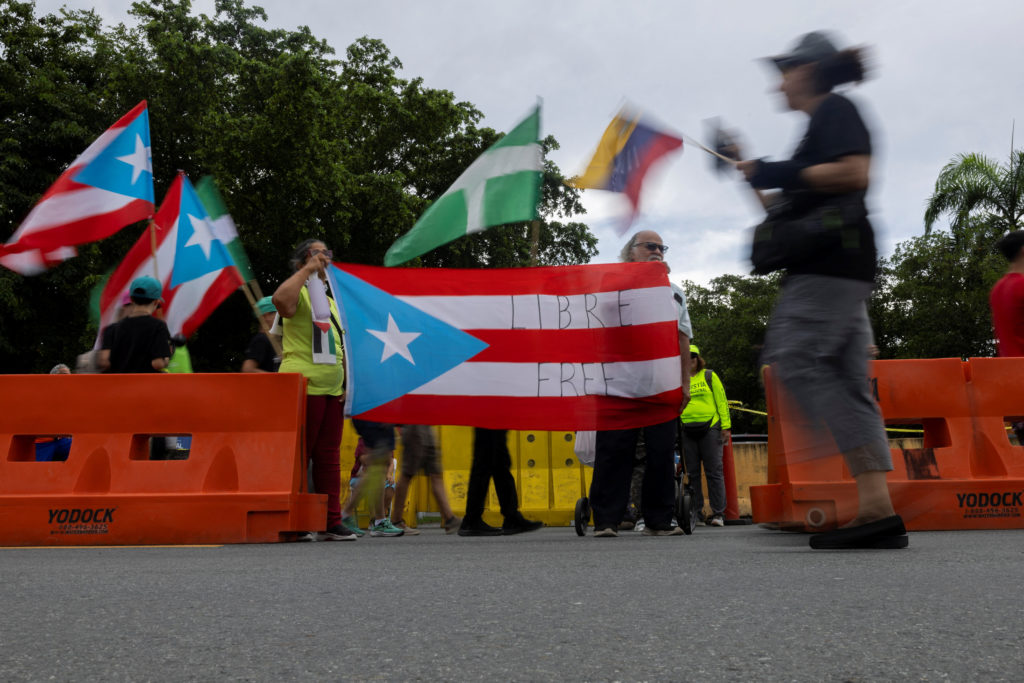
This increased U.S. military presence has sparked protests in Puerto Rico, with residents opposing the island's potential use as a regional military hub for U.S. operations.
Concerns echo the 1999 death of David Sanes Rodr iguez during a Vieques training mission, which previously led to the U.S. military's withdrawal from the island.
Venezuelan Vice President Delcy Rodr iguez urged the U.S. to focus its maritime force on the Pacific to combat Colombian cocaine, while Caricom members sought open communication.
Analysis
Center-leaning sources frame this story by highlighting the covert nature of U.S. military actions and the escalating tensions with Venezuela. They emphasize the lack of evidence for U.S. claims and raise concerns about a "legally fraught secret war," suggesting a critical perspective on the administration's motives and methods.