Super Typhoon Ragasa Unleashes Fury Across Southeast Asia, Prompting Mass Evacuations and Widespread Disruptions
Super Typhoon Ragasa made landfall in the Philippines, causing mass evacuations and power outages. It is now heading towards China, Taiwan, and Hong Kong, prompting extensive flight cancellations and school closures.

 Boston Herald
Super typhoon blowing by northern Philippines and Taiwan forces evacuations and closures
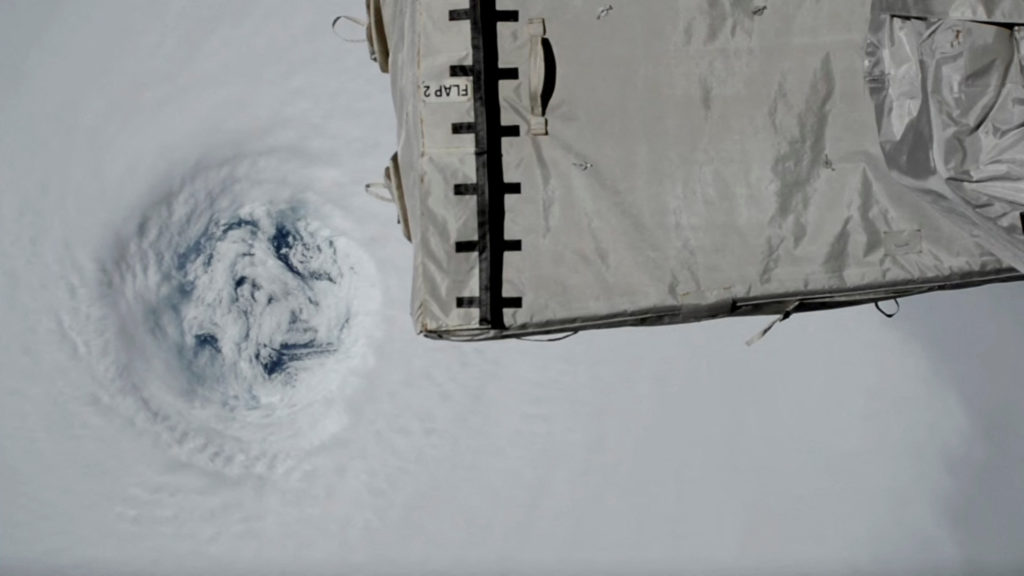
 PBS NewsHour
Typhoon blowing by Philippines and Taiwan forces evacuations and closures
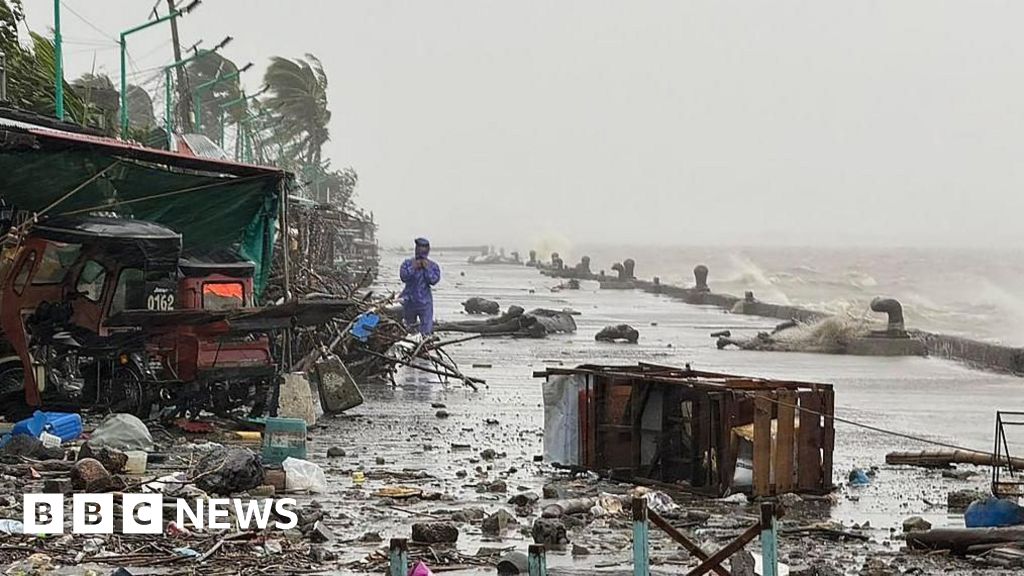
 BBC News
Philippines: Thousands evacuate as Super Typhoon Ragasa hits

 Al Jazeera
China plans evacuations as Typhoon Ragasa barrels through Philippines
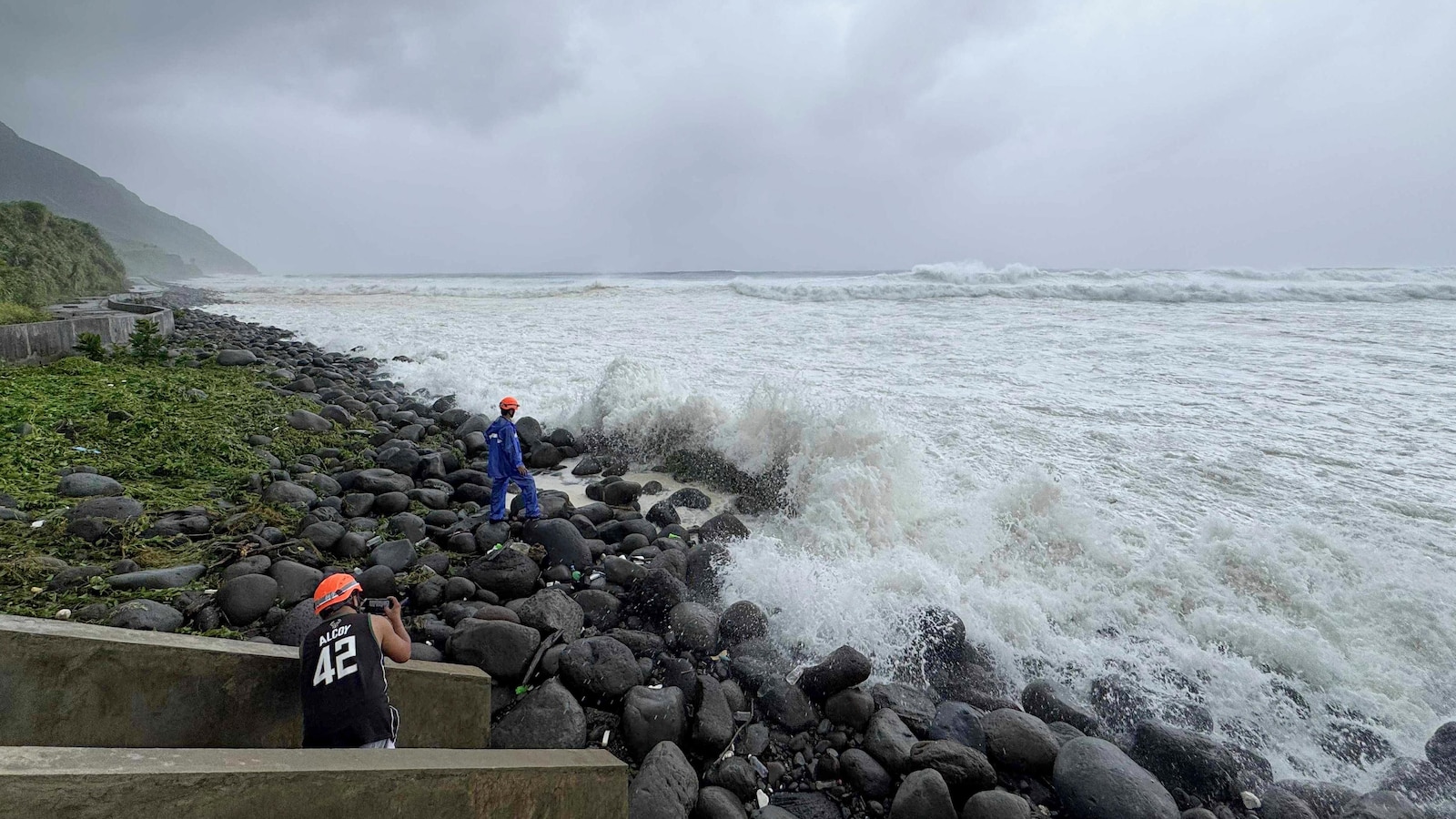
 ABC News
Super typhoon blowing by Philippines and Taiwan forces evacuations and closures
Overview
Super Typhoon Ragasa, also known as Nando, made landfall on Panuitan Island in Cagayan province, Philippines, with winds of 134 mph, causing widespread power outages and prompting over 9,400 evacuations.
Philippine President Ferdinand Marcos Jr. suspended government work and classes in the capital and 29 northern Luzon provinces, as the nation faces its 14th storm amid ongoing anti-corruption protests.
The typhoon is forecast to move westward through the South China Sea, passing south of Taiwan and Hong Kong before making landfall on the Chinese mainland, specifically between Shenzhen and Xuwen in Guangdong.
Taiwan, Hong Kong, and Macao have initiated extensive precautionary measures, including closing coastal areas, suspending flights, and closing schools for two days, with over 500 flight cancellations reported.
Chinese authorities in Guangdong province have suspended schools, offices, and transportation, with Shenzhen planning to relocate 400,000 residents, as officials warn of potential multiple landfalls and call for emergency preparedness.
Analysis
Center-leaning sources frame this story by emphasizing the typhoon's extreme power and the vulnerability of affected populations. They connect the natural disaster to broader socio-economic issues, notably highlighting that many residents live in poverty and concluding with protests against government corruption blamed for inadequate flood control infrastructure, suggesting human factors exacerbate the storm's impact.