Iran Faces Renewed UN Sanctions Amid Escalating Nuclear Program and Deepening Domestic Crisis
UN sanctions reimpose on Iran over its escalating nuclear program, fueling a domestic crisis with severe food inflation, plummeting currency, and increased executions amid protests.
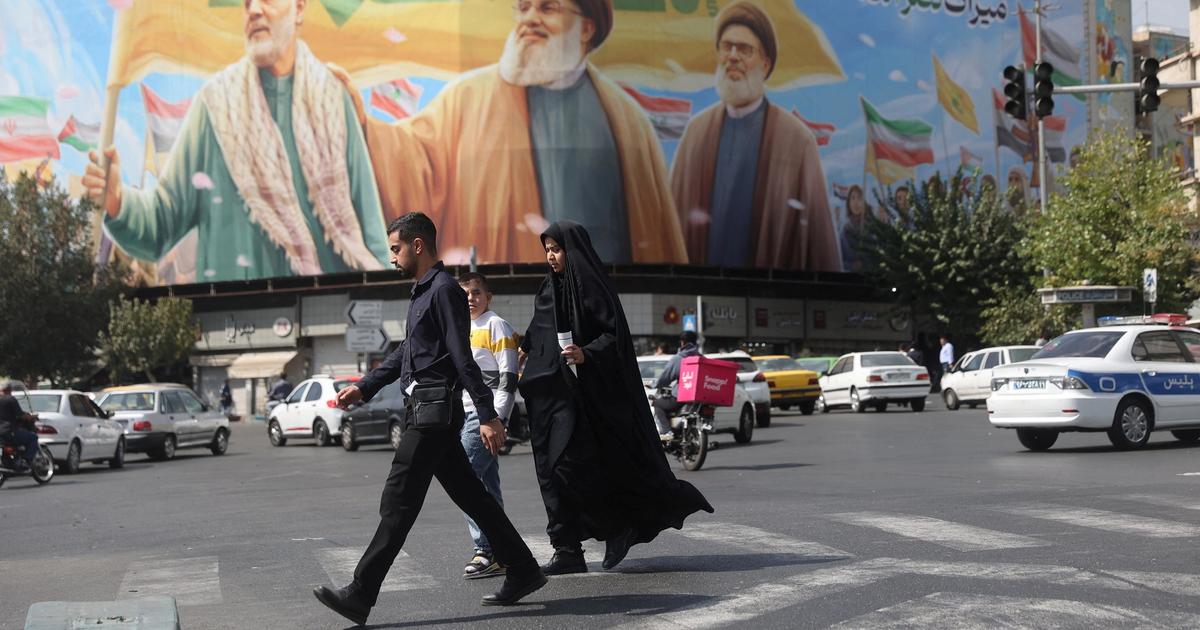
 Semafor
UN reimposes sanctions on Iran, deepening economic isolation
 Boston Globe
What to know about Iran's nuclear program as UN reimposes 'snapback' sanctions
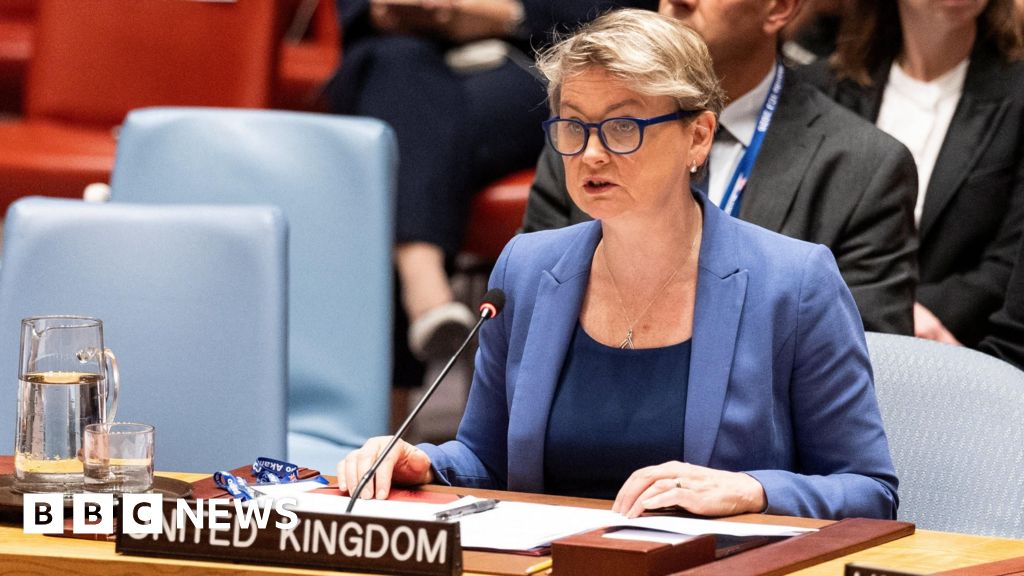
 BBC News
Iran sanctions reimposed 10 years after landmark nuclear deal
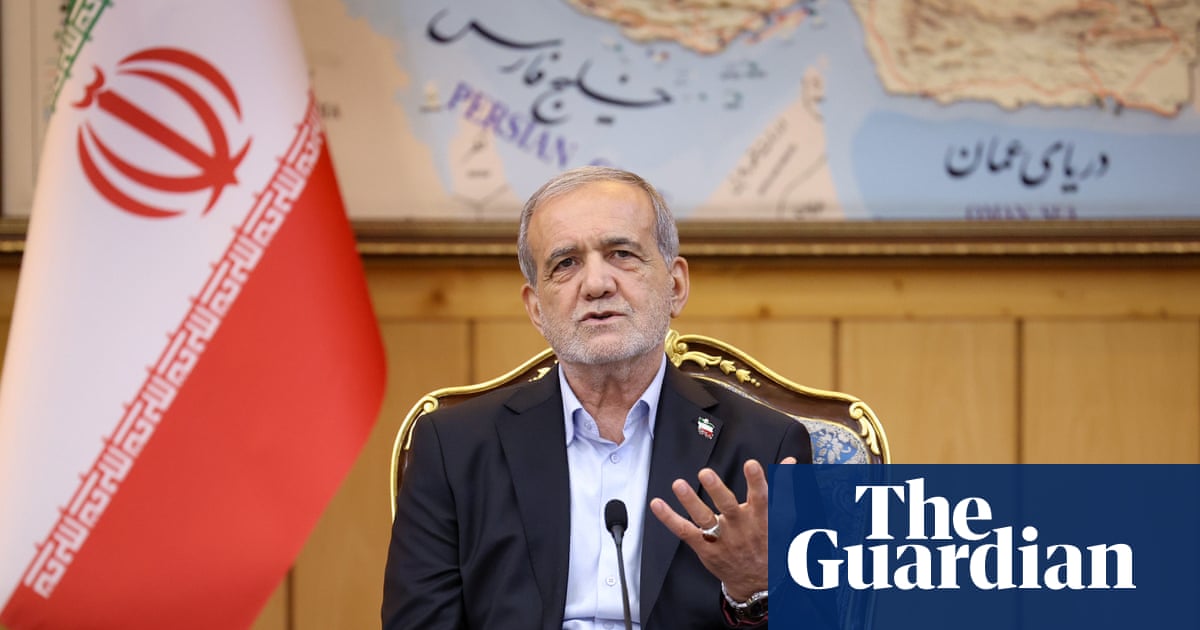
 The Guardian
Iran angry as sweeping UN sanctions take effect after failure of nuclear talks
Overview
UN snapback sanctions were reimposed on Iran by European nations due to non-compliance with the 2015 nuclear deal and restricted IAEA monitoring, increasing economic pressure on Tehran.
Iran has enriched uranium to 60%, nearing weapons-grade, and holds a significant stockpile, raising international concerns about its capability to build multiple atomic bombs.
US and Israeli airstrikes in June targeted key Iranian nuclear facilities, including Natanz and Fordo, aiming to delay Iran's nuclear progress and retaliate for arming proxies attacking Israel.
Iran's economy faces severe challenges, with the rial hitting a record low and food prices surging over 50%, making staples like meat and rice unaffordable for many families.
Widespread protests driven by economic discontent and demands for reform have been met with increasing repression, including over 1,000 executions in 2025, a rate not seen since 1988.
Analysis
Center-leaning sources cover the story neutrally by presenting a balanced account of the reimposed Iran sanctions. They attribute all strong claims and evaluative language to the specific parties involved, such as the E3's reasons for 'snapback' and Iran's condemnation of the sanctions as 'illegal.' The coverage provides factual context and includes diverse perspectives from all major actors.