Taliban Imposes Nationwide Internet Blackout in Afghanistan Citing 'Morality Measures'
The Taliban has imposed a nationwide internet blackout in Afghanistan, severing fiber-optic connections to enforce "morality measures" and further isolate the population, exacerbating an ongoing humanitarian crisis.
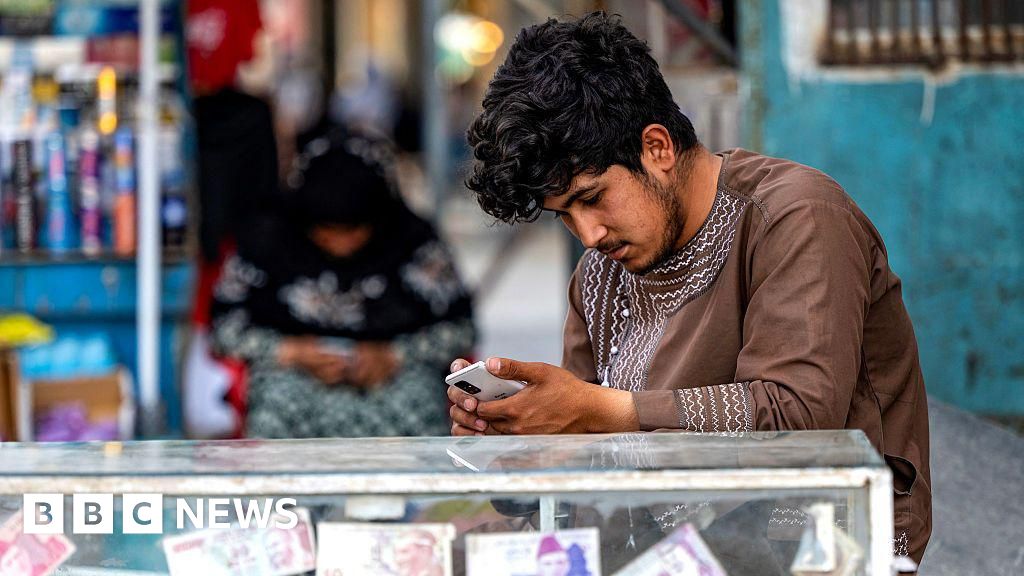
 BBC News
Afghanistan hit by internet blackout as Taliban cuts fibre optic cables
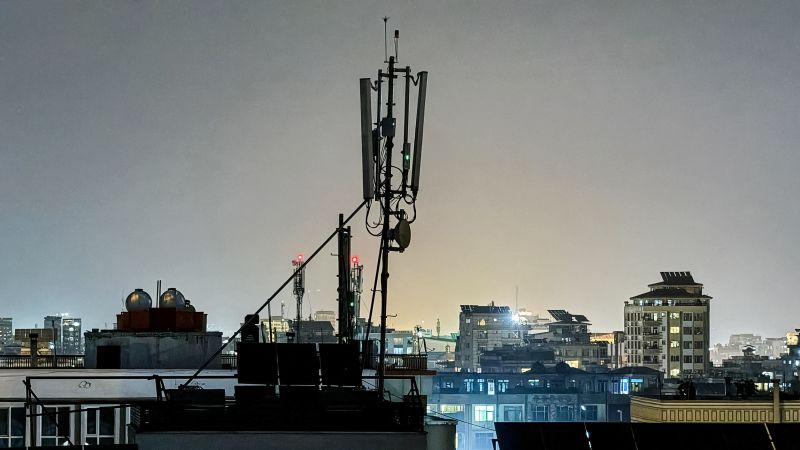
 CNN
CNNTotal internet blackout in Afghanistan, watchdog reports, as Taliban enforces morality measures

 ABC News
Internet blackout hits Afghanistan as Taliban enforce morality crackdown
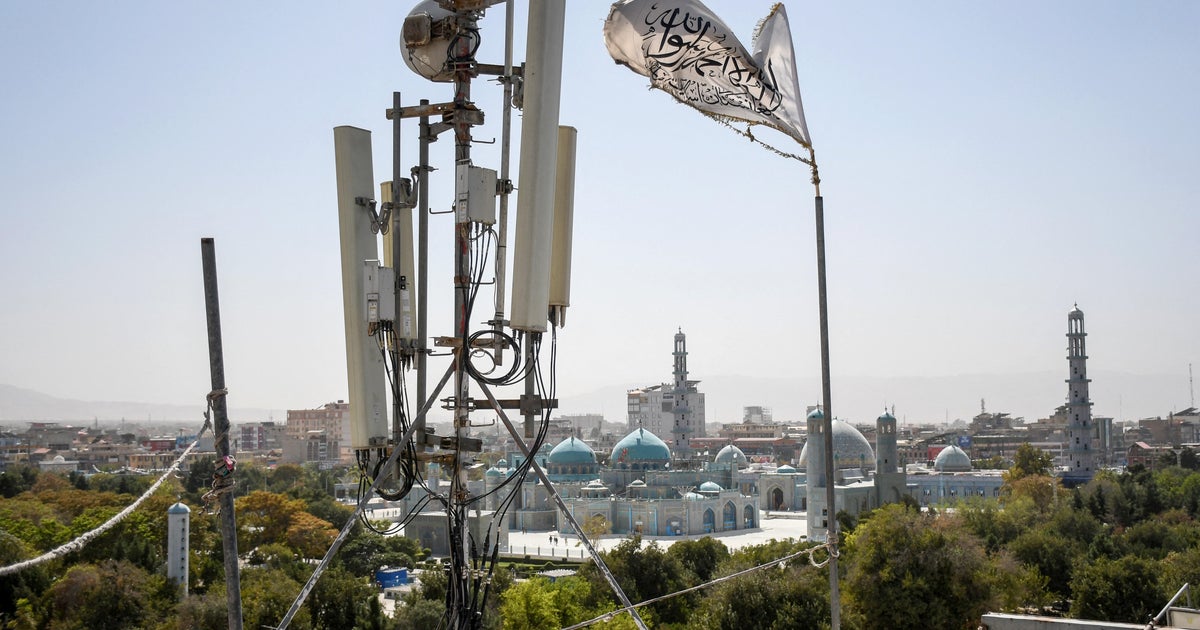
 CBS News
Taliban shuts down internet across Afghanistan in latest crackdown
Overview
The Taliban has imposed a nationwide internet blackout across Afghanistan, severing fiber-optic connections to enforce "morality measures" and prevent perceived immorality.
This communications crackdown, which also disrupted TOLO TV broadcasts and mobile internet, follows a decree by leader Hibatullah Akhundzada to ban high-speed connections.
The Taliban plans to restore only lower-capacity 2G mobile services soon, further limiting access for an Afghan population already reliant on messaging apps and social media.
Since regaining power in 2021, the Taliban has severely restricted women's rights, detained journalists, and suppressed dissent, intensifying isolation and control over the populace.
The internet blackout exacerbates Afghanistan's humanitarian crisis, worsened by aid cuts and refugee returns, and follows a devastating earthquake, further isolating the nation.
Analysis
Center-leaning sources frame the internet blackout in Afghanistan as another oppressive measure by the Taliban, emphasizing its widespread negative impact and linking it to their broader pattern of severe restrictions, particularly on women. The collective editorial choices highlight the resulting isolation and disruption to daily life, portraying the Taliban's rule as increasingly authoritarian.