Tensions Rise Over Hostage and Prisoner Exchange as Ceasefire Holds Amidst Body Identification Challenges
A Trump-brokered ceasefire facilitates Israel-Hamas hostage and prisoner exchanges. Tensions rise over misidentified bodies, retrieval challenges, and aid, straining the truce.
 CBS News
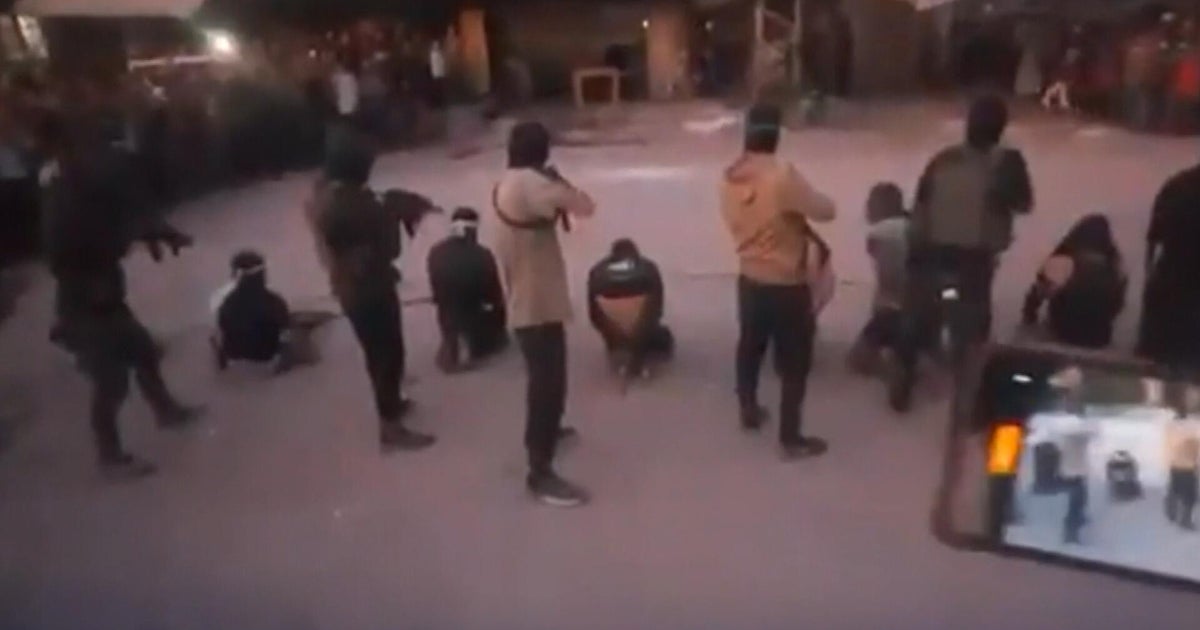
Video shows Hamas fighters executing Palestinians accused of collaborating with Israel

 Washington Examiner
Israel receives remains of two more hostages
 BBC News
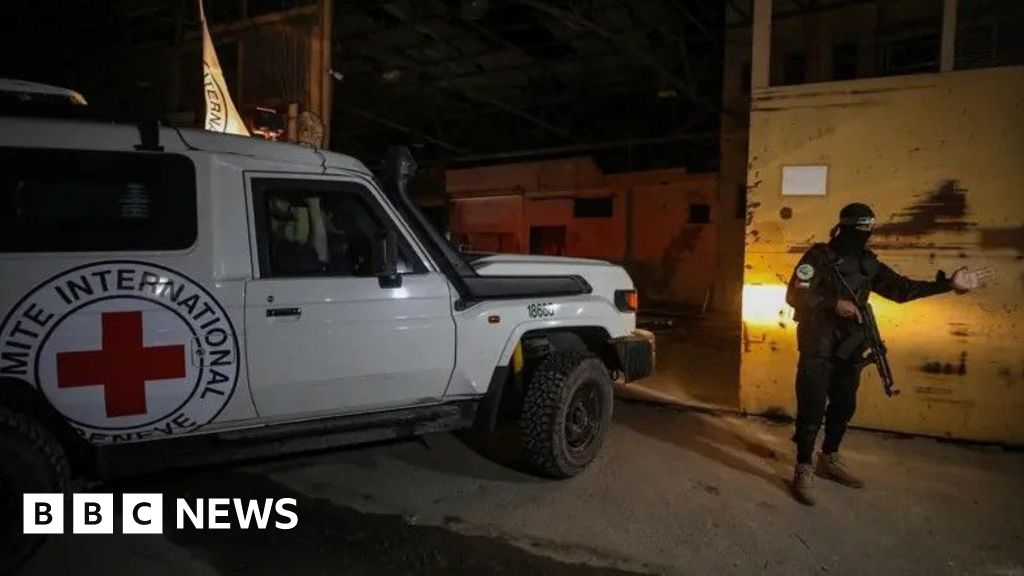
Hamas returns two more bodies but says it cannot retrieve remaining dead hostages
 The Guardian
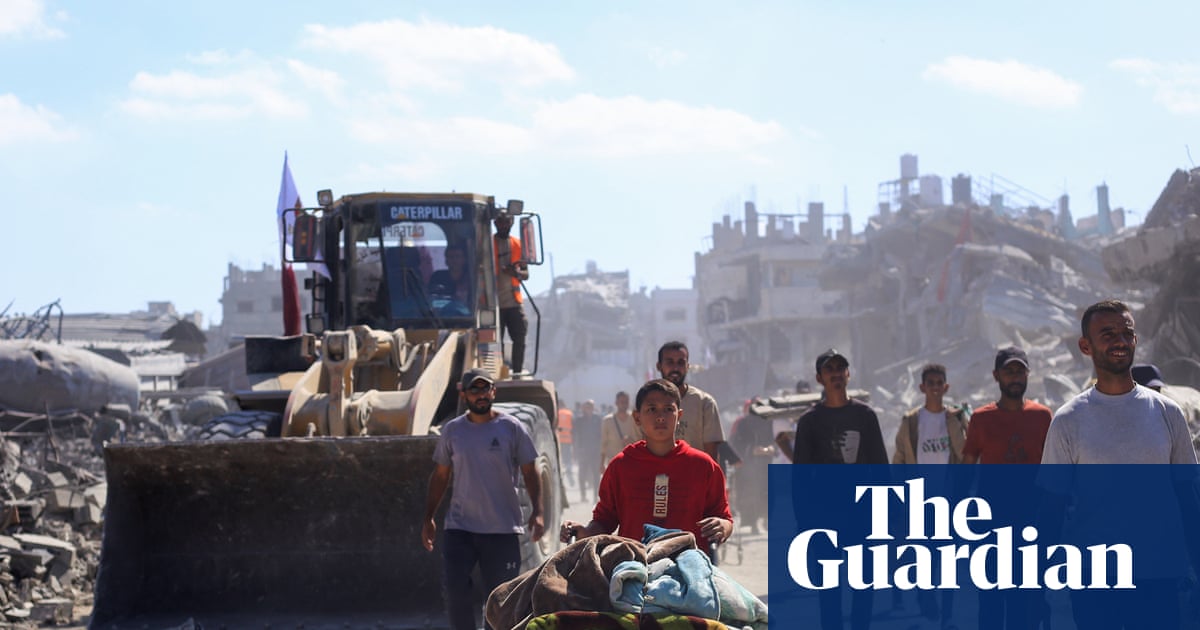
Hamas says all reachable hostage bodies recovered amid Israel threat to resume Gaza fighting
Overview
A ceasefire brokered by President Trump facilitated an exchange of living Israeli hostages and deceased remains for Palestinian prisoners, aiming to de-escalate the Gaza conflict.
The exchange process has been fraught with difficulties, including the misidentification of bodies, the poor condition of remains, and challenges in retrieving them from Gaza's rubble.
Forensic teams reported bodies showing signs of abuse, some shackled, and several returned bodies were not identified as known Israeli hostages, causing further distress.
As part of the agreement, Israel released approximately 2,000 Palestinian prisoners, while humanitarian aid deliveries to Gaza resumed, though concerns about sufficiency persist.
The fragile truce remains strained by accusations of delayed body returns, Israeli threats to resume fighting, and Hamas's refusal to disarm, despite international pressure.
Analysis
Center-leaning sources frame the story by emphasizing the precariousness of the ceasefire, highlighting Hamas's stated difficulties in retrieving deceased hostages and Israel's firm stance on not compromising. Editorial choices underscore the potential for renewed conflict and the fragility of the agreement's full implementation, creating a narrative focused on ongoing challenges rather than progress.