Fragile Gaza Ceasefire Tested by Renewed Strikes and Hostage Recovery Efforts
The US-brokered Gaza ceasefire is tested by renewed Israeli strikes and alleged Hamas violations. Negotiations continue for remaining deceased hostages and future governance.
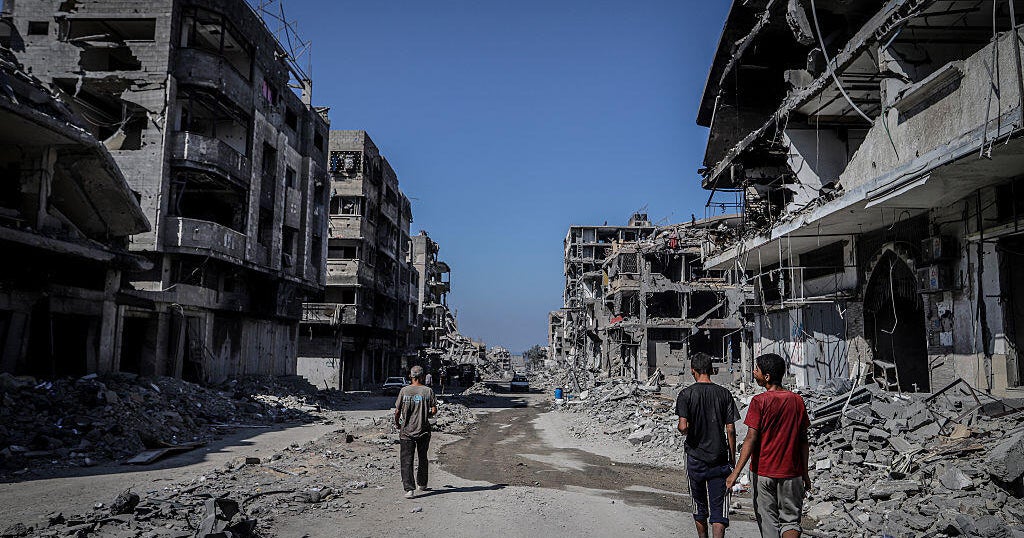
 CBS News
Israel launches retaliatory strikes in Gaza after saying Hamas targeted its forces, killing 2 IDF soldiers
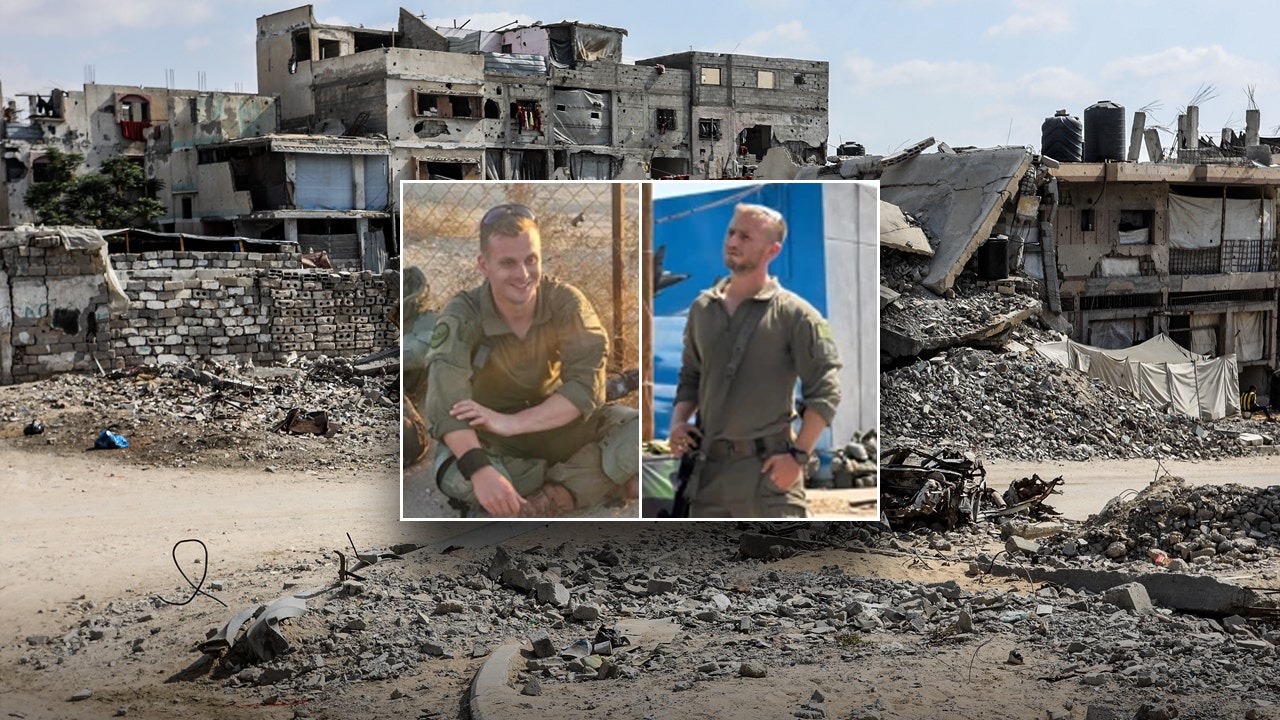
 FOX News
Two IDF soldiers killed amid 'severe' ceasefire violation, 'it's not the last,' analyst says
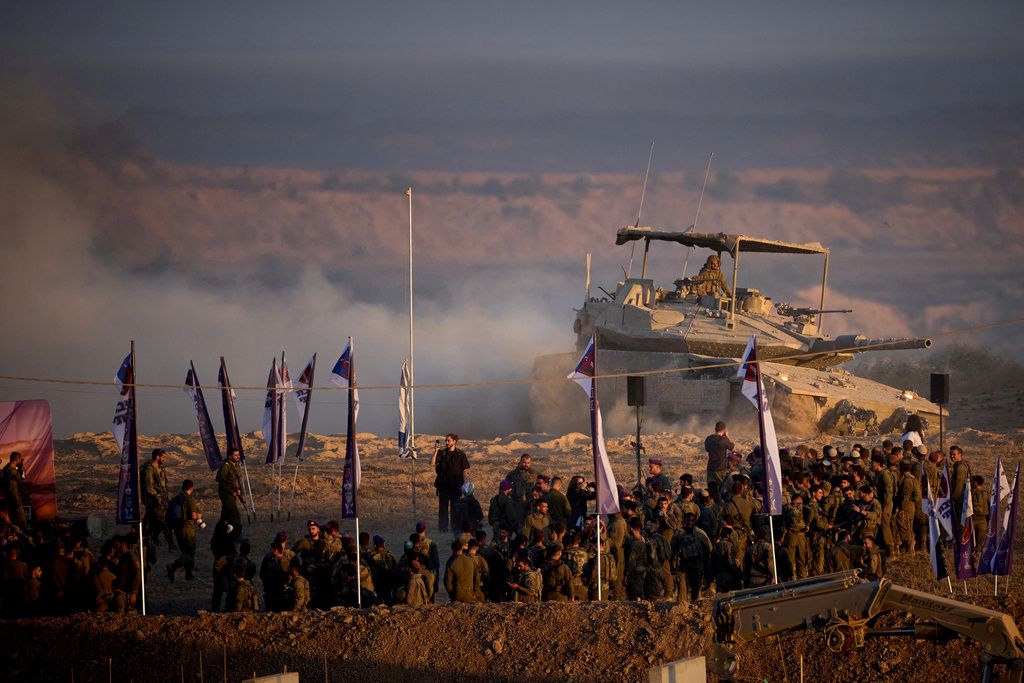
 Washington Examiner
Gaza ceasefire 'renewed' after strikes on Hamas, IDF says
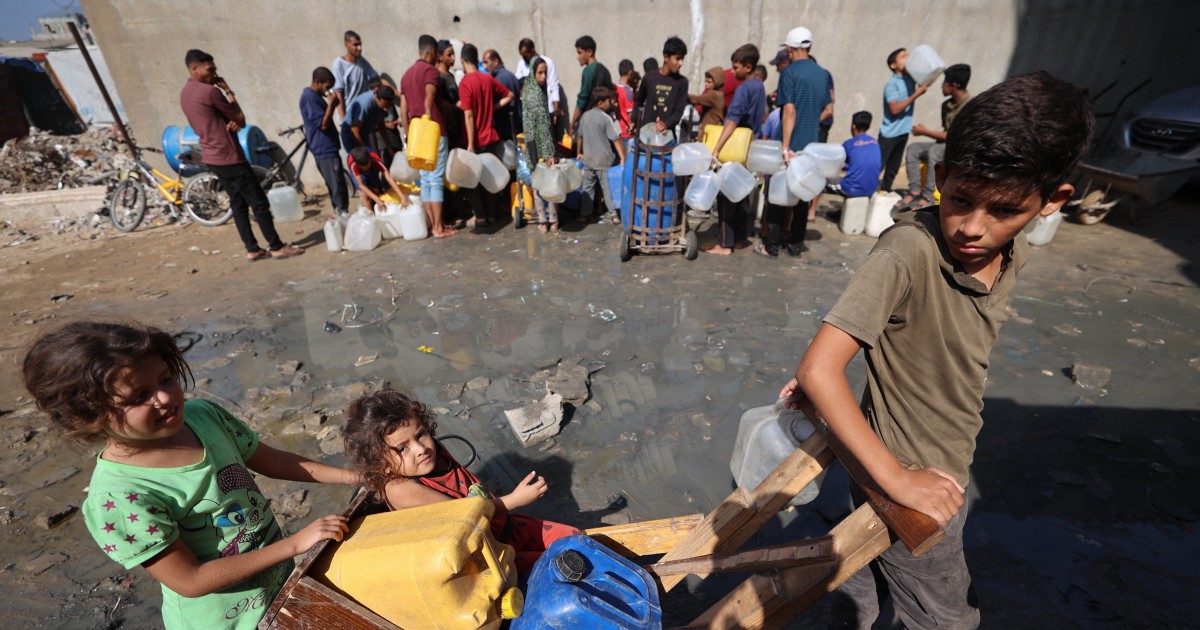
 NBC News
Israel-Hamas ceasefire is tested, and Zelenskyy wants in on the Trump-Putin summit: Weekend Rundown
Overview
The US-brokered ceasefire between Israel and Hamas began October 10, 2023, following the October 7 Hamas attack that killed 1,200 and abducted 251, aiming to end two years of conflict.
The ceasefire faced its first major test with Israel launching airstrikes in Gaza in response to alleged Hamas violations, including firing on Israeli troops and killing two soldiers.
As part of the agreement, Hamas released all living hostages and 12 deceased remains, while Israel released nearly 2,000 Palestinian prisoners, with 16 deceased hostages still in Gaza.
The Rafah border crossing, closed since May 2024, is crucial for humanitarian aid and Palestinian travel, with new procedures announced for entry into Egypt and Gaza.
Ongoing negotiations, involving US mediators and a Hamas delegation in Cairo, focus on disarming Hamas, Israeli withdrawal, and establishing future international governance for Gaza.
Analysis
Center-leaning sources frame this story by emphasizing the Israeli and U.S. narrative, portraying Israeli strikes as a justified response to alleged Hamas ceasefire violations. They prioritize statements from Israeli officials and the U.S. State Department, which describe Hamas's actions as "blatant violations" and "terrorist activity." While Hamas's denial is included, the overall structure and source selection collectively reinforce the perception of Hamas as the primary aggressor, contributing to the ceasefire's fragility.