U.S. Military Expands Anti-Drug Strikes to Pacific, Sparking Debate Over Legality and Casualties
The U.S. military expanded its anti-drug campaign to the Eastern Pacific, conducting its eighth strike, resulting in two fatalities and 34 total deaths, sparking legal debate.
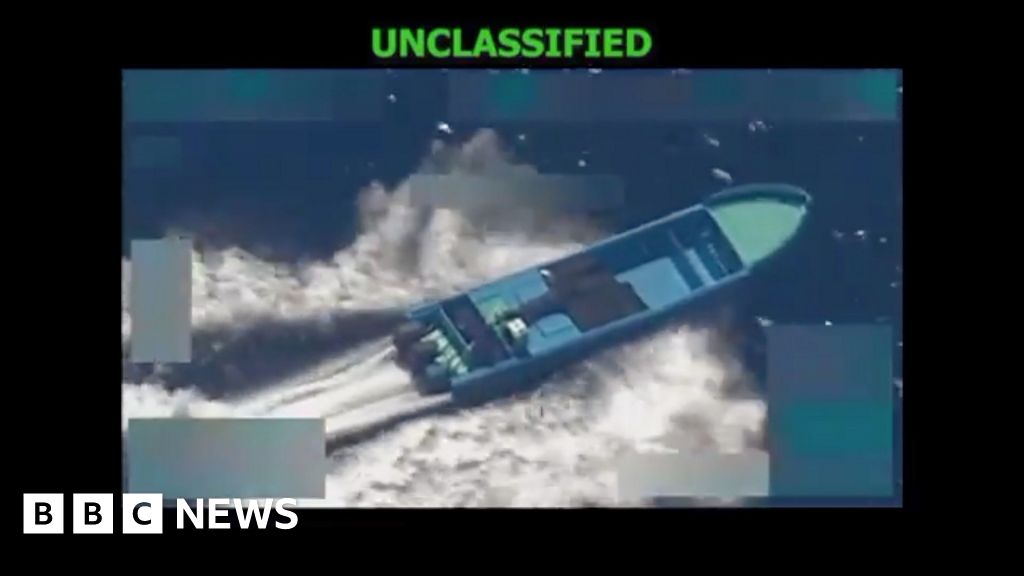
 BBC News
US forces kill two in strike on alleged drug boat in the Pacific
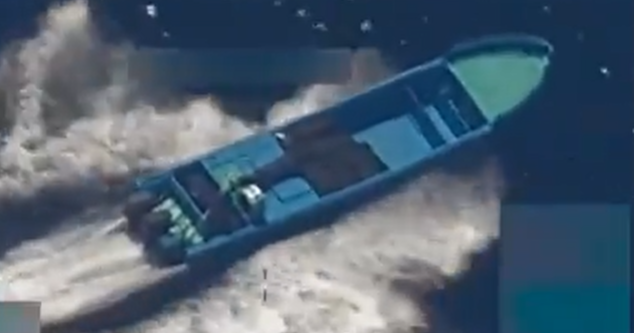
 CBS News
U.S. strikes 8th alleged drug vessel, this time on the Pacific side, killing 2 people on board
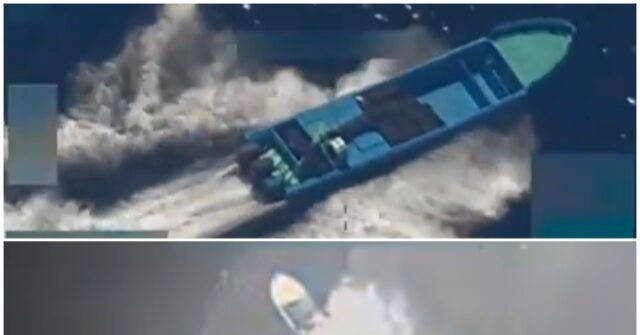
 Breitbart News
Trump's War Against Narco-Terrorists at Sea Expands to Pacific Ocean

 Western Journal
Trump Takes Narco-Terrorist Fight to New Level with Strike on Drug Runners in the Pacific Ocean
Overview
The U.S. military has expanded its anti-drug campaign, launching its eighth strike on suspected drug vessels in the Eastern Pacific, shifting focus from previous operations primarily in the Caribbean Sea.
These U.S. military strikes have resulted in at least 34 fatalities since September, including two in the recent Eastern Pacific operation, targeting vessels identified as carrying narco-terrorists.
President Trump justifies these lethal strikes by declaring alleged drug cartel members "unlawful combatants," drawing parallels to the legal authority used in the post-9/11 war on terrorism.
Lawmakers from both parties are questioning the legality and effectiveness of the Trump administration's expanded military actions, seeking clarification on their justification under U.S. and international law.
The operations target major cocaine smuggling routes, particularly from Colombia and Peru through the Eastern Pacific, with survivors sometimes repatriated to Ecuador and Colombia.
Analysis
Center-leaning sources cover this story neutrally, focusing on reporting the facts of the US military strikes against alleged drug boats and the administration's justifications. They attribute all strong language to officials, provide context on drug trafficking, and include details like the release of a survivor due to lack of evidence, demonstrating balanced reporting without editorializing.