Hurricane Melissa Ties Historic Records as Climate Change Fuels Intensifying Atlantic Storms
Hurricane Melissa, a Category 5 storm, made landfall in Jamaica with record-tying 185 mph winds and pressure, matching the 1935 Labor Day Hurricane, intensified by climate change.
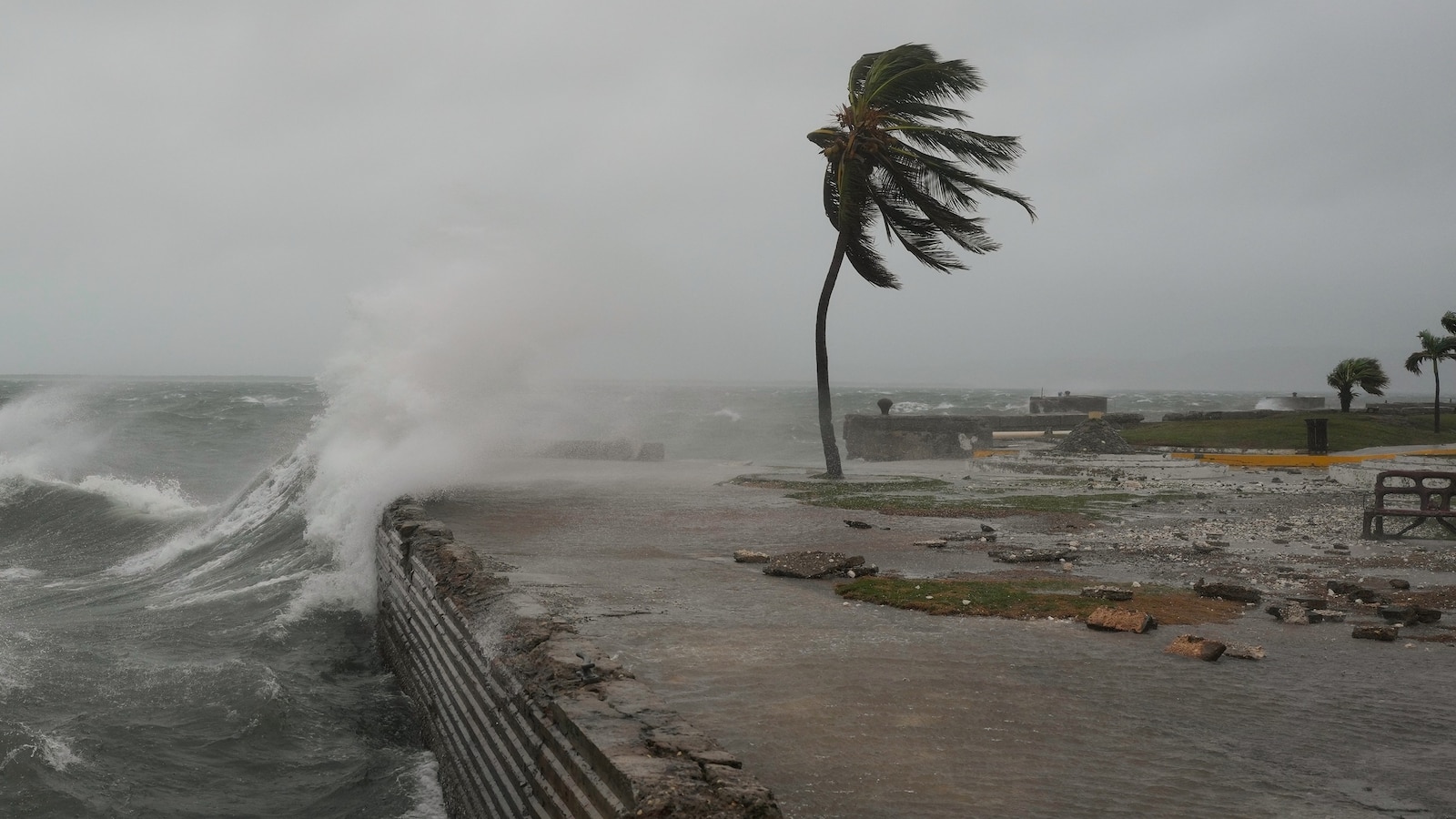
 ABC News
Hurricane Melissa ranks as one of the strongest Atlantic storms to make landfall in recorded history
 Associated Press
Melissa is a beast among a string of monster Atlantic storms. Scientists explain
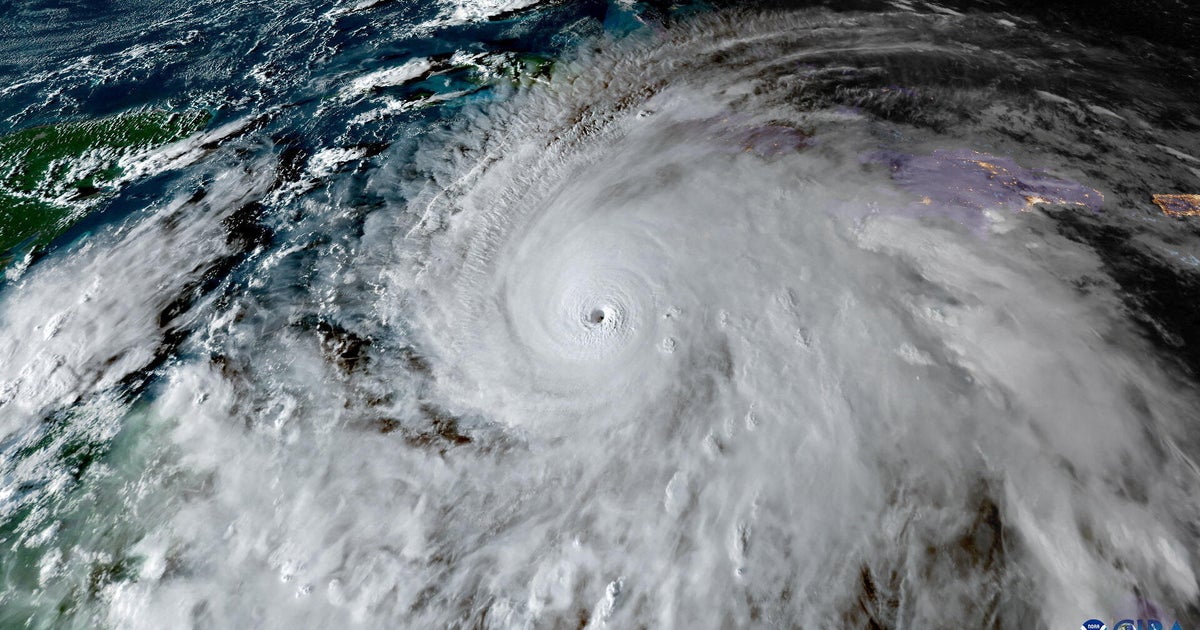
 CBS News
Hurricane Melissa is one of the strongest hurricanes ever recorded in the Atlantic
Associated PressHurricane Melissa is among the most powerful Atlantic hurricanes on record
Overview
Hurricane Melissa, a Category 5 storm, made landfall in southwestern Jamaica with record-tying 185 mph sustained winds, matching the intensity of the 1935 Labor Day Hurricane.
Melissa's central pressure of 892 millibars also tied the 1935 storm as the third most intense Atlantic hurricane ever recorded at landfall.
The hurricane underwent extreme rapid intensification, with wind speeds increasing by at least 58 mph within 24 hours, fueled by unusually warm ocean temperatures.
Scientists indicate that human-caused climate change has significantly warmed oceans, increasing the likelihood of warmer water by 500 to 700 times, fueling such intense storms.
Nearly a third of all Category 5 Atlantic hurricanes in the last 125 years have occurred since 2016, highlighting a concerning increase in severe weather events.
Analysis
Center-leaning sources frame Hurricane Melissa as an exceptionally powerful and "beast-like" storm, emphasizing its defiance of normal meteorological conditions and its "extreme rapid intensification." They consistently connect its unusual strength to warmer ocean temperatures, attributing a significant role to human-caused climate change through expert analysis and data on increasing Category 5 storms.