Israel Resumes Gaza Strikes Amid Ceasefire Violations and Hostage Remains Dispute with Hamas
Israeli Prime Minister Netanyahu ordered renewed Gaza airstrikes, accusing Hamas of violating a US-brokered ceasefire and failing to return all deceased hostage remains, reigniting conflict.
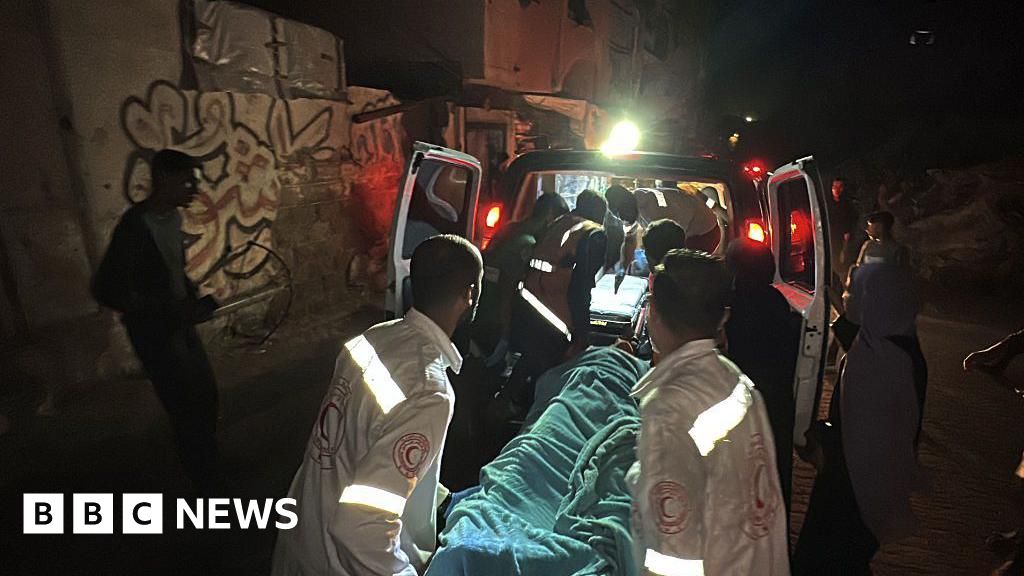
 BBC News
Israel strikes Gaza after accusing Hamas of ceasefire violations

 PBS NewsHour
Gaza ceasefire tested as Israel launches strikes after it says Hamas attacked soldiers

 The Guardian
Israel strikes Gaza after Netanyahu accuses Hamas of breaching ceasefire
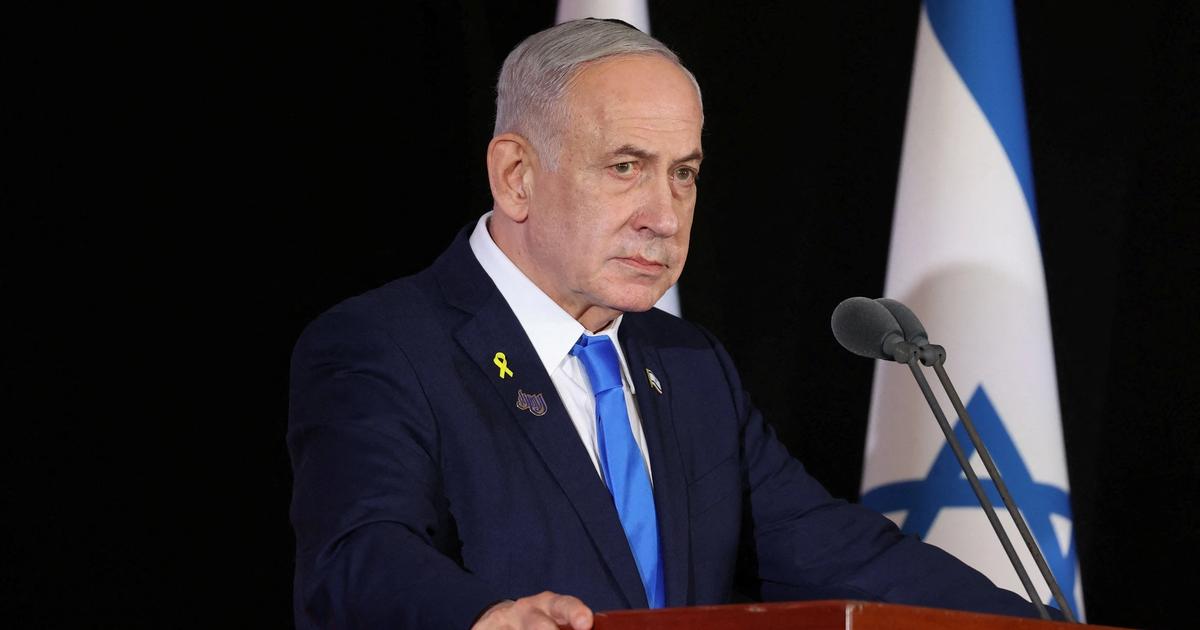
 Semafor
Netanyahu orders âpowerfulâ Gaza strikes after accusing Hamas of truce violations
Overview
The two-year war between Israel and Hamas, sparked by Hamas's October 7, 2023 attacks, saw a US-brokered ceasefire initiated on October 10, temporarily halting military actions.
The ceasefire required Hamas to return all Israeli hostage remains, but Israel accuses Hamas of non-compliance, returning only 15 of 28 bodies and even staging discoveries.
Israel accused Hamas of violating the ceasefire by attacking IDF soldiers in Rafah and returning incorrect hostage remains, prompting Prime Minister Netanyahu to order retaliatory strikes.
Hamas denies involvement in recent attacks and reaffirmed its commitment to the ceasefire, but Israeli airstrikes in Gaza City and other areas have killed at least 20 people.
Despite US Vice-President JD Vance's confidence, the fragile ceasefire is now threatened by renewed violence, with Egypt intensifying efforts to locate remaining hostage bodies.
Analysis
Center-leaning sources frame the story by initially presenting Israeli strikes as a direct response to alleged Hamas ceasefire violations, emphasizing Israel's justification. They consistently label Hamas as a "militant group" and highlight the October 7th attacks as the conflict's trigger, while also including U.S. official statements that downplay the severity of the current escalation.