Body Exchanges and Identification Challenges Test Fragile Gaza Ceasefire
Gaza's U.S.-brokered ceasefire faces challenges from complex body exchanges between Israel and Hamas, complicated by identification issues and mutual accusations of violations.

 NPR
NPRIsrael says it received remains of 3 hostages from Gaza as fragile ceasefire holds

 Al Jazeera
Palestinians face hunger, cold and loss amid ongoing Israeli siege on Gaza
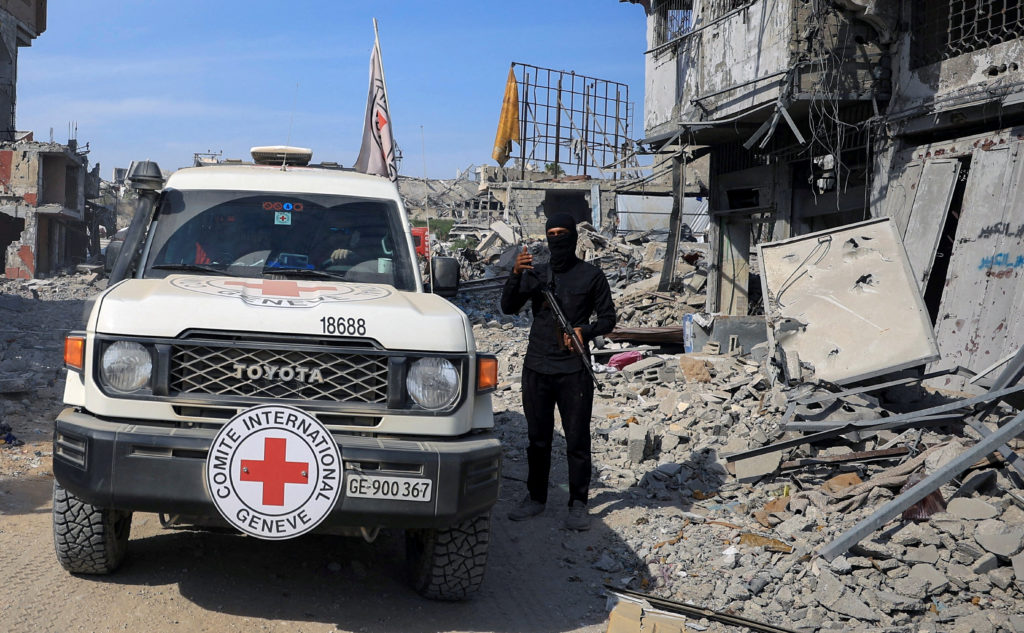
 PBS NewsHour
Israel says it received remains of 3 hostages from Hamas in Gaza as fragile ceasefire holds
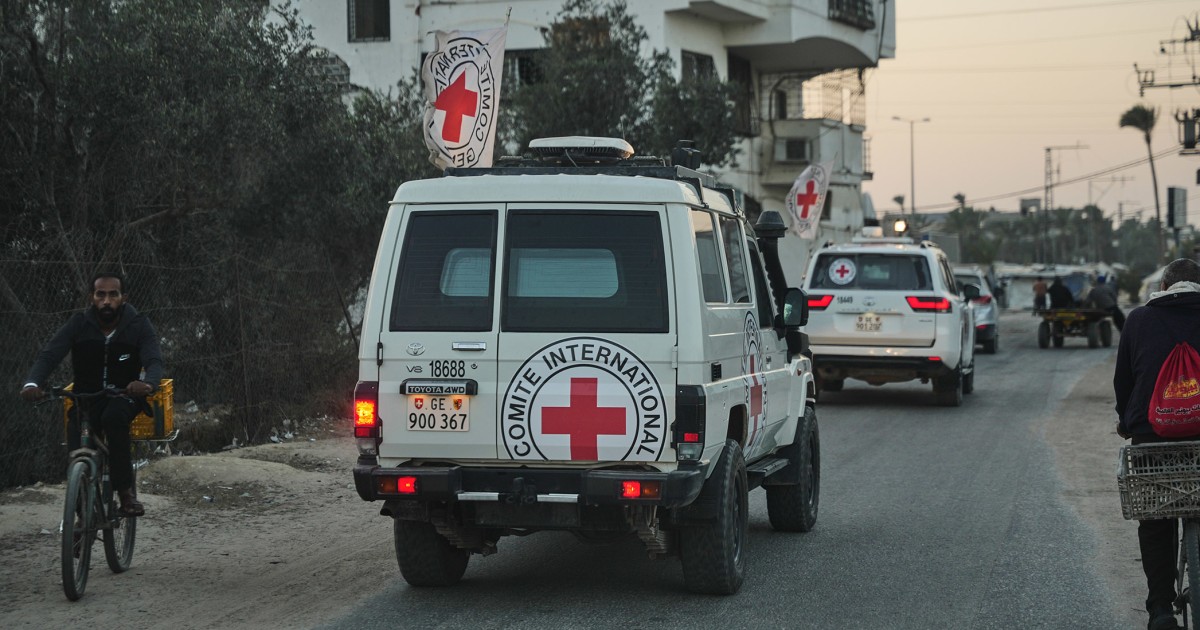
 NBC News
Hamas returns bodies of 3 deceased hostages to Israel
Overview
Israel and Hamas are conducting U.S.-brokered body exchanges, returning remains of hostages and Palestinian bodies as part of a fragile ceasefire agreement in Gaza.
The Red Cross facilitates the transfer of deceased individuals between Gaza and Israel, where forensic experts work to identify the received remains.
Gaza health officials struggle with identifying Palestinian bodies due to a lack of DNA kits, often relying on family photos for recognition amidst the conflict.
The ceasefire is strained by disputes over returned remains; Israel confirmed some bodies were not hostages, leading to mutual accusations of truce violations.
These complex exchanges and identification challenges underscore the fragility of the ceasefire, following the deadly October 7, 2023, Israel-Hamas conflict.
Analysis
Center-leaning sources frame this story by consistently using strong, evaluative language like "terrorists" and "terror attack" when referring to Hamas and the Oct. 7 events. They emphasize the "setback" for the ceasefire and the "slow progress" of Israeli hostage returns, shaping a narrative that highlights challenges from an Israeli perspective, despite including other viewpoints.