Japan Deploys Troops to Combat Record Surge in Deadly Bear Attacks
Japan faces a record surge in bear attacks, causing 13 deaths and nearly 100 injuries, particularly in Akita. Troops are deployed to manage the crisis, exacerbated by rural depopulation and aging hunters.
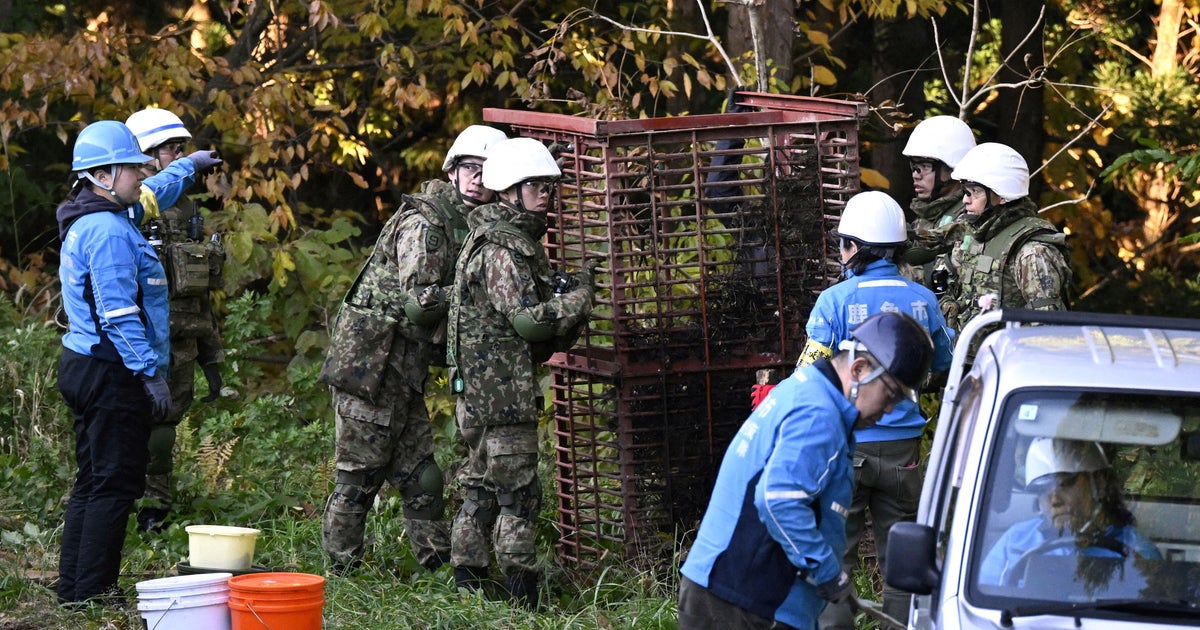
 CBS News
Japan deploys troops in bid to stem surge in deadly bear attacks

 Boston Herald
Japan deploys the military to counter a surge in bear attacks

 Daily Caller
Country's Army Deploys Troops To Hunt Predator After Surge In Bloody Encounters
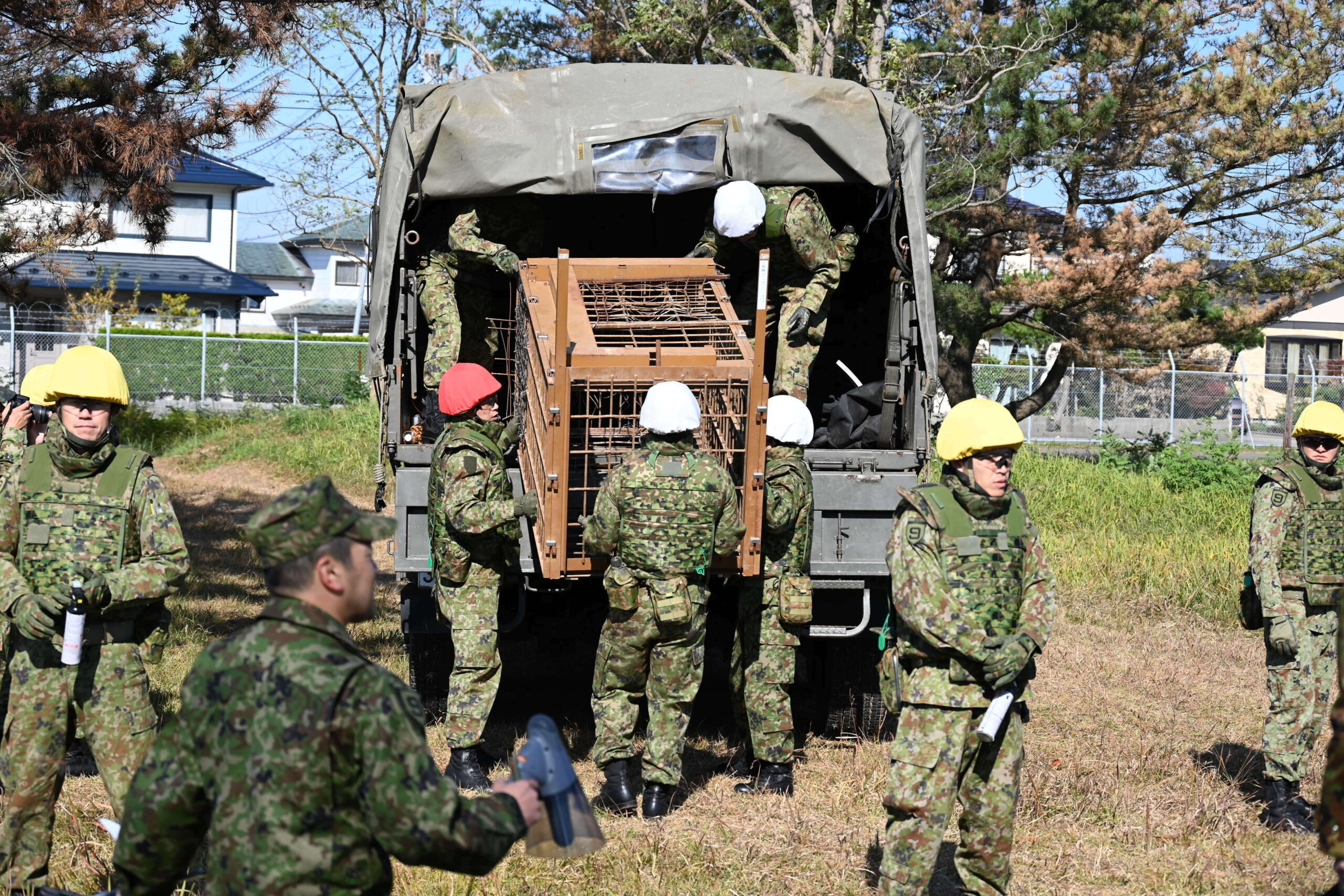
 New York Sun
Japan Calls in the Army To Cope With a String of Deadly Attacks by Bears
Overview
Japan has experienced a record surge in bear attacks since April, resulting in 13 deaths and nearly 100 injuries, with Akita prefecture being a primary location for these dangerous encounters.
The Defense Ministry and Akita prefecture deployed soldiers to assist with bear management, focusing on setting traps, aiding hunters, and safely disposing of bear carcasses without using firearms.
Bears are increasingly encroaching into residential areas, including urban environments and public places like schools, driven by food foraging before hibernation and abandoned farmlands.
Experts attribute the escalating human-wildlife conflict to rising bear populations, climate change, and Japan's aging rural population, which has led to a decline in experienced hunters.
The government established a task force to develop a comprehensive bear response plan by mid-November, evaluating population surveys and hunting rule revisions to enhance public safety.
Analysis
Center-leaning sources frame this story as a severe crisis requiring military intervention. They use dramatic language to depict humans "besieged" by a "record wave of deadly bear attacks," emphasizing the danger to residents and the struggle of local authorities. The narrative highlights the military's deployment as crucial "reinforcements" to protect lives, with less initial focus on underlying ecological factors.