US Carrier Deployment Heightens Venezuela Tensions Amid Counternarcotics Push
The USS Gerald R. Ford's deployment to the Caribbean escalates US-Venezuela tensions. The US targets drug trafficking, while Venezuela plans guerrilla resistance with a weakened military.




Overview
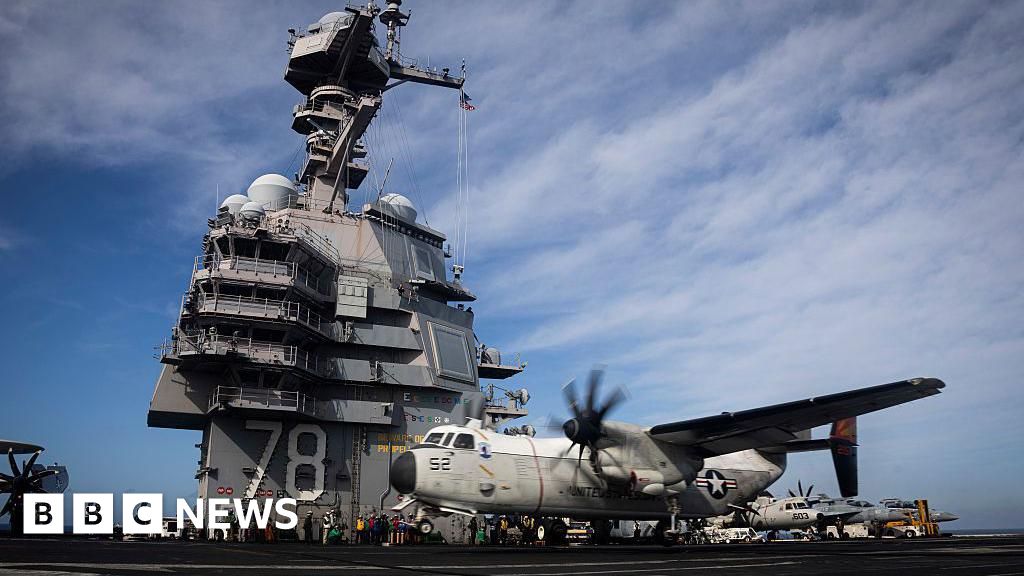
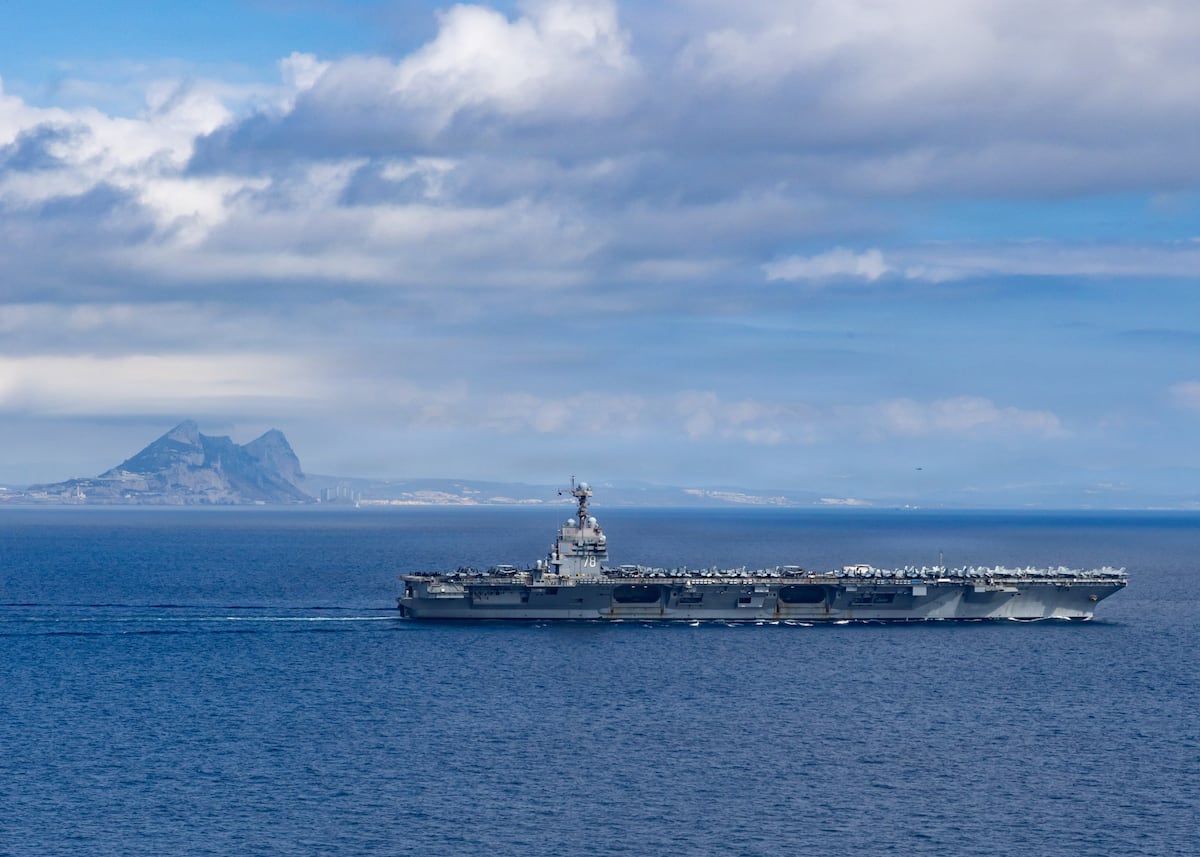
The USS Gerald R. Ford, the world's largest aircraft carrier, arrived in the US Southern Command area (Latin America and Caribbean) in early November, significantly boosting US naval power in the region.
The US deployed the carrier group to enhance counternarcotics operations, combat transnational crime, and interdict drug-trafficking vessels, conducting 19 air strikes that resulted in approximately 75 deaths.
This increased US naval presence and operational intensity in the Caribbean has heightened political and military tensions with Venezuela, which the US accuses of drug trafficking ties.
Venezuela, led by President Maduro, plans "prolonged resistance" using guerrilla tactics and old Russian weapons against potential US attacks, denying drug links and asserting its citizens will resist.
Venezuela's military faces significant challenges, including insufficient personnel, outdated equipment, poor wages, and inadequate supplies, leading Maduro to seek Moscow's assistance for repairs and upgrades.
Analysis
Center-leaning sources cover this story neutrally, presenting the USS Gerald R. Ford's deployment for counternarcotics efforts without overt bias. They report official statements regarding the mission's purpose while also including critical context about internal disagreements over military objectives and the human cost of past strikes, attributing this information to other reputable news organizations.