Trump's Controversial Ukraine Peace Plan Sparks Global Debate Amidst Deadlines and Sovereignty Concerns
President Trump's 28-point peace plan for Ukraine, proposing territorial concessions and military limits, faces international scrutiny and rejection from Kyiv, raising concerns over Ukraine's sovereignty.
 CBS News
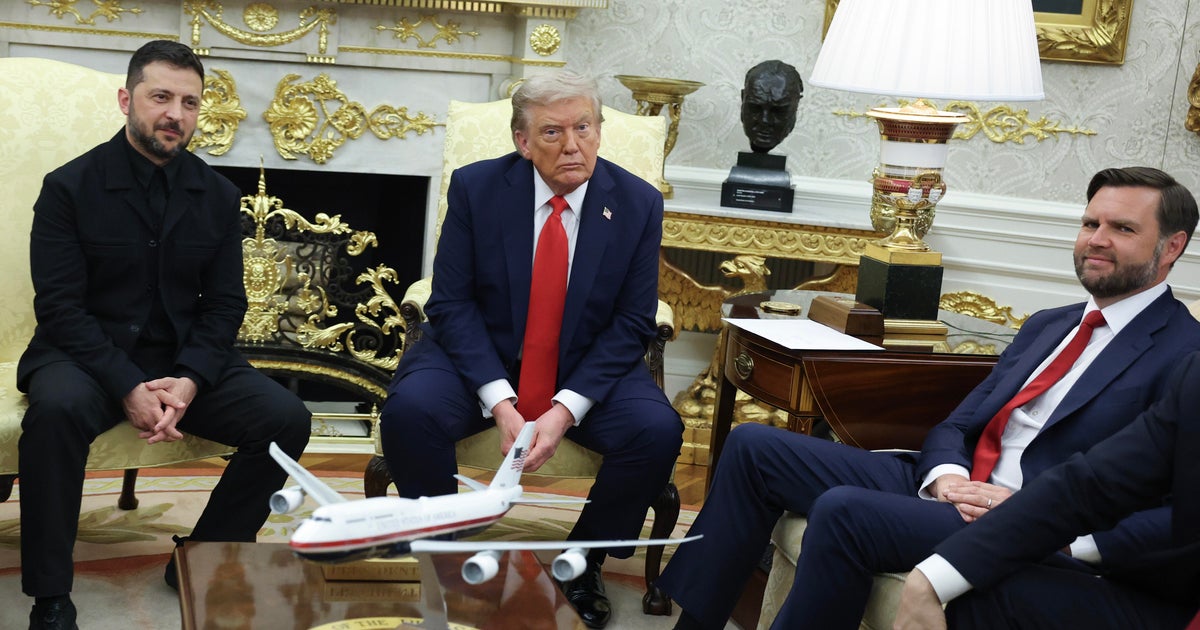
U.S., Ukrainian officials discussing bringing Zelenskyy to U.S., sources say
 CBS News
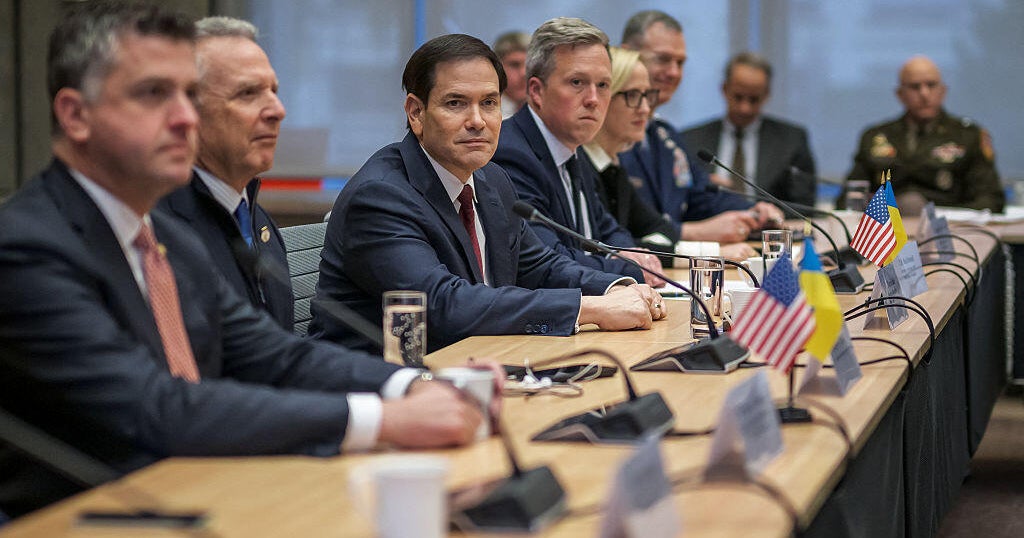
Ukraine delegates had "substantive conversations" with U.S. officials in Geneva over proposed peace plan, Zelenskyy says

 Chicago Tribune
In his words: President Trump’s rhetoric about Volodymyr Zelenskyy and Vladimir Putin has evolved
 The Free Press
What Ukrainians Think About Trump’s Peace Plan
Overview
President Trump proposed a 28-point peace plan for Ukraine, setting deadlines for acceptance, which includes significant concessions to Russia like territorial compromises and limits on Ukraine's military and NATO aspirations.
The U.S.-brokered plan, developed with input from American, Ukrainian, and Russian envoys, has alarmed Kyiv and European allies due to concerns it heavily favors Moscow and undermines Ukraine's sovereignty.
U.S. Secretary of State Marco Rubio and other officials are engaged in talks in Geneva with Ukrainian and European envoys to discuss the controversial proposal and address Kyiv's objections.
Ukraine, led by President Zelenskyy, firmly rejects territorial concessions and seeks a lasting peace that upholds its sovereignty, while also pursuing EU membership and NATO-style security guarantees.
Despite U.S. pressure and threats of reduced military aid, international discussions continue, with European leaders and Ukraine's Western allies united in revising the plan to ensure a just and sustainable peace.
Analysis
Center-leaning sources frame this story by highlighting the US peace plan's perceived concessions to Russia and the "alarm" it has caused among Ukraine and its European allies. They emphasize Ukraine's "stark choice" and the plan's "acquiescence" to Russian demands, portraying it as detrimental to Ukrainian sovereignty and interests.